
Welcome to our guide on developing a scalable content creation framework! In today’s fast-paced digital world, quality content is one of the most effective ways to boost your brand’s online presence and engage your audience effectively. However, creating and managing content can be a daunting task, especially when you want to ensure scalability while maintaining the quality of your content.
In this guide, we will take you through the five essential steps for developing a scalable content creation framework. From conceptualizing your content strategy to efficiently managing your content, we have got you covered with actionable tips and strategies.
Key Takeaways:
- A scalable content creation framework is essential for boosting your brand’s online presence and engaging your audience effectively.
- Conceptualizing your content strategy is the first step towards developing a successful content creation framework.
- Planning, organizing, and streamlining your content creation process are crucial for effective content management.
- Examples of successful content creation frameworks can serve as inspiration for developing your own.
- Content development, optimization techniques, and efficient planning and management are key to maintaining high-quality content at scale.
What is a Content Creation Framework?
A content creation framework is a system for developing and managing content that ensures consistency, efficiency, and effectiveness in content creation. It provides a structured approach to content development, from conceptualization, planning, and organization to reviewing and optimizing content.
A scalable content creation framework is essential for successful content development, allowing brands to boost their online presence and engage their audience effectively. With a well-developed content creation framework, brands can ensure that their content is aligned with their business goals, meets their audience’s needs, and is delivered consistently across all channels.
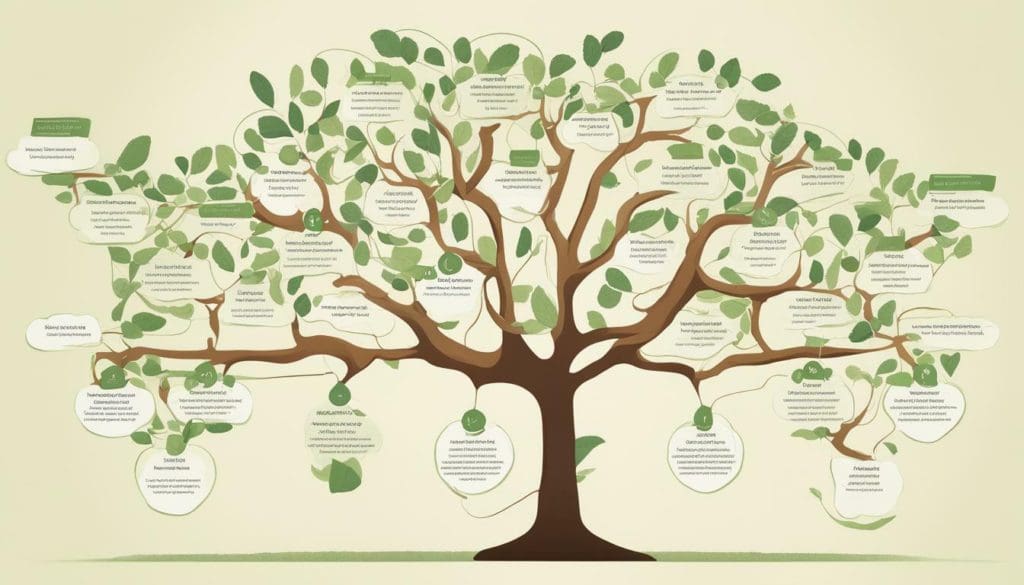
Developing a content creation framework involves four key phases: conceptualization, planning, creation, and optimization. In the conceptualization phase, brands define their content goals, and target audience and brainstorm content ideas that align with their business objectives.
In the planning phase, brands define their content calendar and develop a workflow outlining the tasks, timelines, and roles in content creation. This stage also involves outlining the content structure, format, and outline, defining the tone of voice and message, and identifying the channels for content distribution.
The creation phase involves producing the content, including writing, designing, editing, and publishing. This phase requires close collaboration between the content team and the stakeholders to ensure that the final product meets the set standards and aligns with the business goals.
The optimization phase involves reviewing and evaluating the content to determine its effectiveness and identify areas for improvement. It involves analyzing the content’s performance on different channels, measuring engagement metrics, and using insights to refine future content creation efforts.
In summary, a content creation framework provides a structured approach to content creation that ensures consistency, efficiency, and effectiveness in content development. Brands can use a scalable content creation framework to boost their online presence and engage their audience effectively by aligning their content with their business goals, meeting their audience’s needs, and delivering content consistently across all channels.
Conceptualizing Your Content Strategy
Before diving into the nitty-gritty of planning your content creation workflow, it’s important first to conceptualize your content strategy. This involves identifying your target audience, defining the purpose of your content, and outlining the types of content that will best resonate with your audience.
Start by asking yourself questions such as:
- Who is my target audience?
- What are their pain points and interests?
- What types of content do they engage with most?
- What is the purpose of my content (e.g., to educate, entertain, persuade)?
Use the answers to these questions to create a clear and concise content strategy that will guide your entire content creation framework.

Tip: Consider creating buyer personas to help you better understand your ideal audience. These can be used to inform your overall content strategy as well as individual pieces of content.
Defining Your Content Goals
Once you’ve identified your target audience and content strategy, the next step is to define your content goals. These should be specific, measurable, and aligned with your overall business objectives.
For example, your content goals could be to:
- Increase website traffic by 25% over the next six months
- Generate 100 new leads per month through content marketing efforts
- Boost social media engagement by 50% by the end of the year
By setting clear and measurable goals, you’ll be able to track the success of your content creation framework and make data-driven decisions to improve it over time.
Planning Your Content Creation Workflow
Once you have developed a content strategy, it is time to start planning your content creation workflow. This is a crucial step that will determine the efficiency and effectiveness of your content creation process.
First, identify the various tasks involved in creating and publishing your content, such as researching, writing, editing, designing, and promoting. Then, determine which team members or departments will be responsible for each task.
Next, create a timeline or editorial calendar that outlines when each piece of content will be created, reviewed, and published. This will help you stay on track and ensure that your content is published regularly.
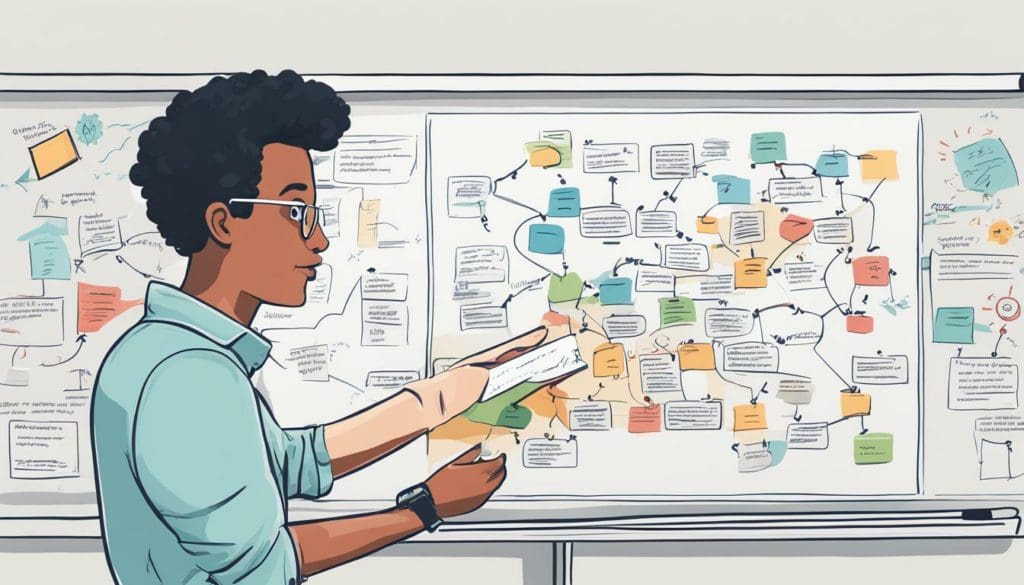
It is also important to establish guidelines and templates for each type of content. This will help maintain consistency and streamline the creation process.
By planning your workflow in advance, you can save time and resources while ensuring that your content meets your brand’s standards and goals.
Organizing Your Content Creation Process
Organization is key when it comes to developing a scalable content creation framework. By organizing your content creation process, you can streamline your workflow, establish clear deadlines, and ensure that all team members are on the same page.
Centralize Communication
One of the most important aspects of organizing your content creation process is centralizing communication. By using a project management tool like Asana or Trello, you can create a centralized hub for all communications related to content creation, including deadlines, assignments, and feedback. This ensures that nothing falls through the cracks and that everyone is on the same page.
Create a Content Calendar
Creating a content calendar is another essential component of an organized content creation process. A content calendar allows you to plan and schedule content in advance, ensuring that you always have a steady stream of content going out. It also helps you stay organized by tracking deadlines, assigning tasks, and keeping everyone on the same page.

Establish Clear Deadlines
Establishing clear deadlines is crucial when it comes to organizing your content creation process. By setting deadlines for each stage of the content creation process, from ideation to publication, you can ensure that everyone knows what is expected of them and when. This helps prevent delays and ensures that content is delivered on time.
Track Progress
Tracking progress is another essential step in organizing your content creation process. By tracking progress, you can identify bottlenecks, anticipate delays, and address any issues that arise. This helps you stay on track and ensures that you are meeting your content goals.
By organizing your content creation process, you can improve efficiency, streamline workflows, and ensure that everyone is on the same page. This is essential for developing a scalable content creation framework that boosts your brand’s online presence and engages the audience effectively.
Streamlining Your Content Review Process
When it comes to content creation, the review process can often be the most time-consuming and frustrating step. However, it is essential to ensure that your content is error-free, on-brand, and effective in achieving your goals. In this section, we will discuss some strategies for streamlining your content review process, allowing you to evaluate your content efficiently and effectively.
Establish Clear Reviewer Roles and Guidelines
One of the most significant challenges in the content review process is ensuring that all team members understand their roles and responsibilities. Establishing clear guidelines can help streamline the process and ensure that all aspects of the content are thoroughly evaluated. Consider creating a checklist or framework that outlines specific criteria, such as grammar, tone, and messaging, for each reviewer to evaluate.
Tip: Assigning specific responsibilities to each reviewer helps keep the process organized and ensures that all aspects of the content are evaluated thoroughly.
Utilize Review Tools
There are several tools available to help streamline the content review process, making it easier for reviewers to provide feedback and collaborate throughout the process. Online tools such as Google Docs, Trello, or Asana allow team members to leave comments and suggestions directly in the document, reducing the need for back-and-forth emails or lengthy meetings. Additionally, content editing tools such as Grammarly or Hemingway can help catch errors and improve the readability of your content before it goes through the review process.
Tip: Using online tools allows for real-time collaboration and can reduce the time required for revisions and edits.
Create and Follow a Schedule
Establishing a clear schedule can help keep the content review process on track and ensure that deadlines are met. This schedule should outline each step of the review process, including the expected duration of each step and the reviewer responsible for completing it. Keeping track of progress through a shared spreadsheet or project management tool can also help ensure that all team members are aware of the status of each piece of content.
Tip: Setting realistic deadlines for each step of the review process can help ensure that all team members have ample time to review the content thoroughly.
Test and Refine Your Process
No two content review processes are the same, and what works for one team may not work for another. It’s important to test and refine your process regularly, considering feedback from reviewers and identifying areas for improvement. This may involve tweaking the review guidelines, changing the schedule, or adopting new tools or methods to streamline the process further.
Tip: Encouraging feedback from team members and reviewing the process regularly can help identify problem areas and ensure that the content review process continues to be efficient and effective.
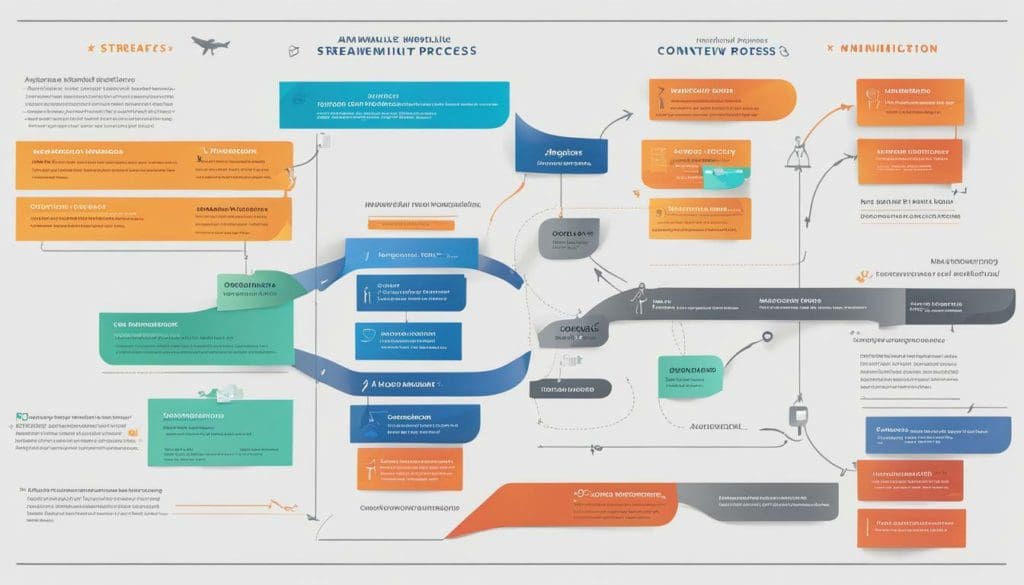
Examples of Effective Frameworks and Workflows
If you’re struggling to develop an effective content creation framework, it can be helpful to look to successful examples for inspiration. Here are a few real-world frameworks and workflows that have proven to be effective:
| Framework/Workflow | Description |
|---|---|
| The Hub and Spoke Model | This model involves creating a central “hub” content piece (such as a long-form blog post) and then developing “spoke” content pieces (such as social media posts, infographics, and videos) that support the hub piece and drive traffic back to it. |
| The Scaled Agile Framework (SAFe) | Initially developed as a framework for scaling software development projects, SAFe has since been adapted for content creation. This framework emphasizes cross-functional collaboration, iterative development, and a focus on customer needs. |
| The 5-3-2 Content Plan | This content plan involves sharing 5 pieces of curated content, 3 pieces of company-created content, and 2 pieces of personal, behind-the-scenes content each week on social media. This approach can help build a diverse and engaging social media presence. |
These frameworks and workflows are just a few examples of the many successful approaches to content creation. By studying these examples and adapting them to the needs of your own brand, you can develop a scalable content creation framework that drives results.

Content Development and Generation Strategies
Developing and generating content is a critical component of any content creation framework. The key is ensuring the content is engaging, informative, and relevant to your target audience. Here are some strategies that can be incorporated into your content development and generation process:
- Original research: Conducting original research and sharing the results in your content is a powerful way to establish thought leadership and attract attention to your brand.
- Use storytelling: Storytelling is an effective way to convey complex information and connect with your audience emotionally.
- Repurpose existing content: Repurpose existing content into new formats, such as turning blog posts into videos or infographics.
- Collaborate with influencers: Partnering with influencers in your niche can help expand your reach and attract new audiences.
- Involve your audience: Encourage user-generated content and incorporate feedback and ideas from your audience into your content to increase engagement and build community.
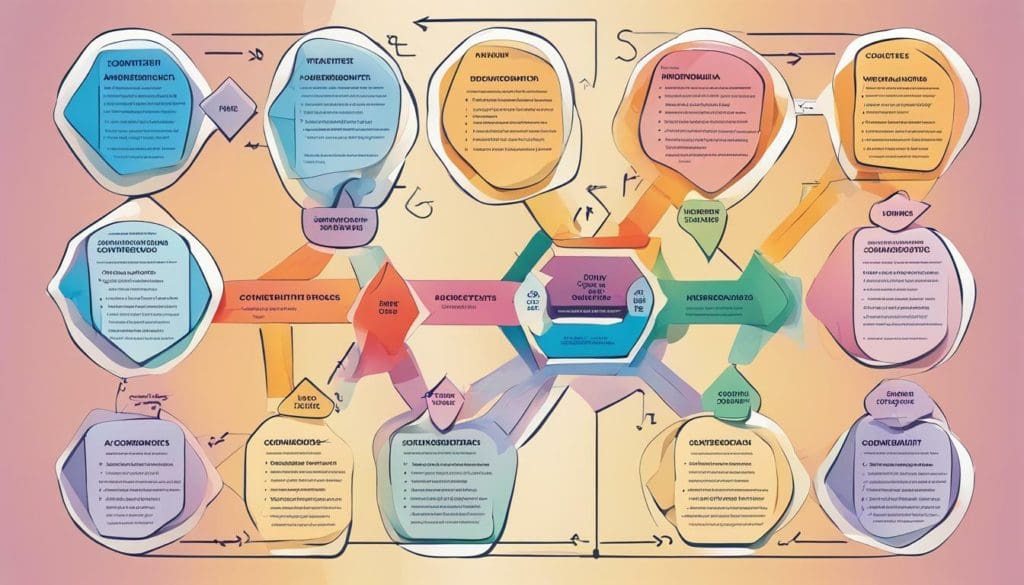
Remember, the key to successful content development and generation is understanding your target audience and delivering content that resonates with them.
Implementing Content Optimization Techniques
As we mentioned earlier, content optimization is a critical element of any scalable content creation framework. You can maximize its impact and reach a wider audience by ensuring that your content is optimized for search engines and user experience.
One of the most important ways to optimize your content is by incorporating keywords and phrases your target audience will likely search for. You can use tools like Google AdWords Keyword Planner or SEMrush to identify these keywords, which can provide valuable insights into search volume and competition levels for specific keywords.
It’s also essential to ensure your content is well-structured and easy to read. This means using subheadings, bullet points, and other formatting elements to break up your text and make it more digestible for readers.
Another key element of content optimization is leveraging multimedia elements like images, videos, and infographics. These visual elements can not only make your content more engaging but can also help to break up large blocks of text and make your content easier to navigate.
| Optimization Tip | Description |
|---|---|
| Include internal and external links | Linking to other relevant pages on your website can help to improve your site’s search engine rankings, while linking to external sources can help to establish your credibility and authority. |
| Use descriptive meta tags | Meta tags like title tags and meta descriptions provide important context for search engines and can help to improve your click-through rates in search results. |
| Optimize for mobile devices | With more and more users accessing online content from smartphones and tablets, it’s critical to ensure that your content is optimized for mobile devices. |
By incorporating these and other content optimization techniques into your content creation framework, you can ensure that your content is both discoverable and engaging. And with greater engagement comes greater reach and a stronger online presence for your brand.
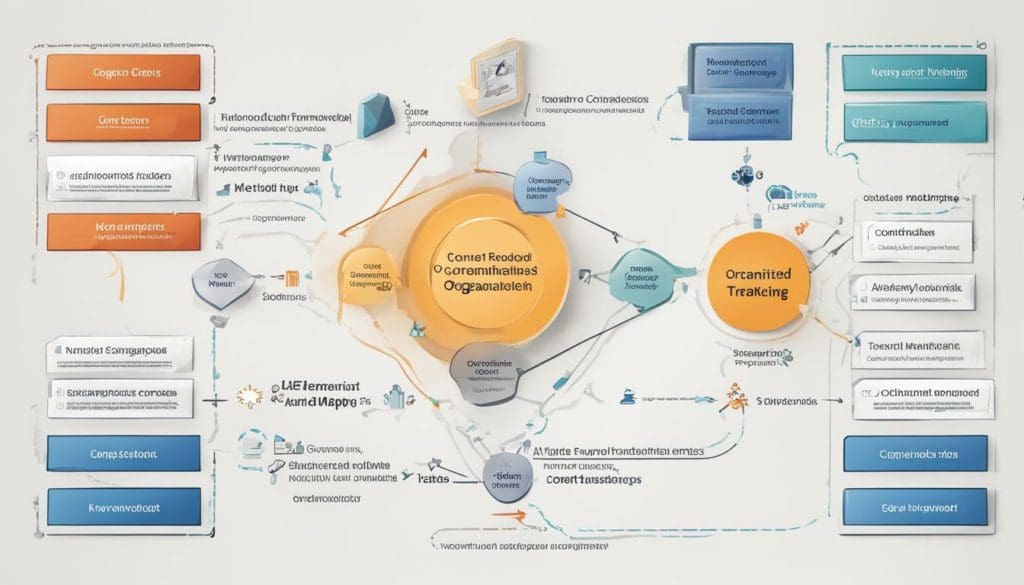
Efficient Content Planning and Management
Creating a content creation framework involves not only conceptualizing and planning but also implementing and managing the content. To ensure the success of your framework, it is essential to have a streamlined content planning and management process. Here are some tips to make this process more efficient:
- Set clear goals: Define specific, measurable, and achievable content goals. Assign roles and responsibilities for each task to ensure that everyone is aware of their responsibilities.
- Develop a content calendar: Create a monthly content calendar to ensure that deadlines are met and all topics are covered. Ensure that the calendar is flexible enough to accommodate changes and new topics.
- Keep a content repository: Maintain a central repository for all content, including drafts, ideas, and published articles. This ensures that everyone has access to the latest content and reduces duplication of effort.
- Use project management tools: Utilize project management tools such as Trello or Asana to manage content development projects. These tools help to assign tasks, track progress, and ensure that deadlines are met.
Efficient content planning and management is critical to the success of your content creation framework. By setting clear goals, developing a content calendar, keeping a content repository, and using project management tools, you can ensure that your content is delivered on time and meets the needs of your audience.

Conclusion
A scalable content creation framework is essential for any brand looking to boost its online presence and engage its audience effectively. By implementing the five steps outlined in this article, brands can conceptualize their content strategy, plan their workflow, organize their process, streamline their review process, and optimize their content for maximum impact.
By incorporating efficient content planning and management strategies and utilizing content development and generation techniques, brands can create a repeatable and successful framework.
Real-world examples of effective frameworks and workflows provide inspiration for developing a content creation framework that fits your brand’s unique needs. Additionally, content optimization techniques ensure that your content makes an impact and efficiently reaches your target audience.
Start Building Your Scalable Content Creation Framework Today
Don’t wait to start building your scalable content creation framework. Use the strategies outlined in this article to start conceptualizing, planning, organizing, and optimizing your content. With a successful framework, you can boost your brand’s online presence and engage your audience effectively.
FAQ
Q: What is a content creation framework?
A: A content creation framework is a structured approach to developing and managing content. It provides a systematic process for planning, creating, and optimizing content to achieve specific goals.
Q: Why is a content creation framework important?
A: A content creation framework is important because it helps brands boost their online presence and engage their audience effectively. It provides a strategic approach to content development that ensures consistency, efficiency, and measurable results.
Q: What are the initial steps in developing a content creation framework?
A: The initial steps in developing a content creation framework include conceptualizing a content strategy, identifying target audience and goals, conducting keyword research, and creating a content calendar.
Q: What should be included in the planning stage of a content creation framework?
A: The planning stage of a content creation framework should include defining content objectives, brainstorming content ideas, determining content formats and channels, and creating an editorial calendar.
Q: Why is organizing the content creation process important?
A: Organizing the content creation process is important because it helps teams stay organized, collaborate efficiently, and ensure consistent delivery of high-quality content. It also enables scalability and streamlines the overall workflow.
Q: How can I streamline the content review process?
A: To streamline the content review process, establish clear review guidelines and criteria, involve key stakeholders early on, use collaborative tools for feedback and revisions, and create a structured workflow for review and approval.
Q: Can you provide examples of effective content creation frameworks and workflows?
A: Certainly! Some examples of effective content creation frameworks and workflows include the pillar-cluster model, the 4-1-1 social media content strategy, and the agile content marketing framework. These frameworks offer insights into successful content development and organization.
Q: What are some content development and generation strategies?
A: Some content development and generation strategies include conducting audience research, leveraging user-generated content, repurposing existing content, collaborating with influencers, and experimenting with different content formats and mediums.
Q: How can I optimize my content within a content creation framework?
A: To optimize your content within a content creation framework, focus on keyword research and implementation, use relevant meta tags, ensure mobile-friendliness, optimize page load speed, and create compelling and shareable content.
Q: What are some efficient content planning and management strategies?
A: Some efficient content planning and management strategies include setting clear goals and objectives, using project management tools, establishing an editorial calendar, implementing a content repository, and regularly analyzing and optimizing content performance.
