
Welcome to the world of digital marketing! In today’s fast-paced business environment, having a strong online presence is critical to success. One way to achieve this is by using the right CMS tools and marketing analytics tools. CMS tools help manage your website content, while marketing analytics tools provide insightful data for better decision-making.
Choosing the best tools for your business can be challenging with so many options available. However, investing time in research and understanding the pros and cons of each tool will help make an informed decision. In this article, we will take a closer look at the world of CMS tools and marketing analytics tools, and guide you on how to choose the right ones for your business.
Key Takeaways
- CMS tools and marketing analytics tools are essential for enhancing online presence and driving conversions.
- Choosing the right tools for your business requires research and understanding of each tool’s features and functionalities.
Understanding CMS and Analytics Tools
As you begin to consider the right CMS tools and marketing analytics tools for your business, it’s important to understand what each of these tools can do for you.
CMS tools, or Content Management Systems, are designed to help you manage the content on your website. This includes everything from creating and publishing new pages to updating existing content, managing users and permissions, and more. CMS tools offer a user-friendly interface that allows you to manage your website without needing any technical skills or knowledge.
Marketing analytics tools can help you collect, analyze, and interpret data related to your website and online marketing efforts. This can include data related to website traffic, lead generation, conversion rates, and more. By using these tools to track and analyze your online activity, you can gain valuable insights into how to improve your online presence and increase conversions.
When used together, CMS tools and marketing analytics tools can help you achieve a comprehensive online strategy that attracts and engages your target audience while driving conversions.

Comparing Different CMS Options
Choosing the right CMS is a critical decision for your business. With a range of options available, it can be overwhelming to determine the best fit for your needs. Each CMS has its pros and cons, and understanding the features and functionalities of each is your first step in making the right choice.
HubSpot: HubSpot is a popular option that combines a CMS with marketing automation tools. It offers features such as lead management, email marketing, and social media management. HubSpot’s user-friendly interface and extensive integrations make it an excellent choice for small businesses.
WordPress: WordPress is a versatile CMS that is highly customizable. It offers a wide range of plugins and themes that can help you design your website and optimize content for SEO. WordPress also has a large community of developers, making it an excellent choice for businesses that require extensive customization.
Drupal: Drupal is known for its robust security features and flexibility. It is an ideal choice for businesses with complex websites that require advanced user and permission management. Drupal’s steep learning curve may be challenging for non-technical users, but it offers extensive customization options that make it a popular choice for large-scale enterprises.
Other CMS options include Joomla, Wix, and Squarespace. Each comes with its unique set of features and functionalities, so it’s essential to evaluate your business needs to determine the best fit.
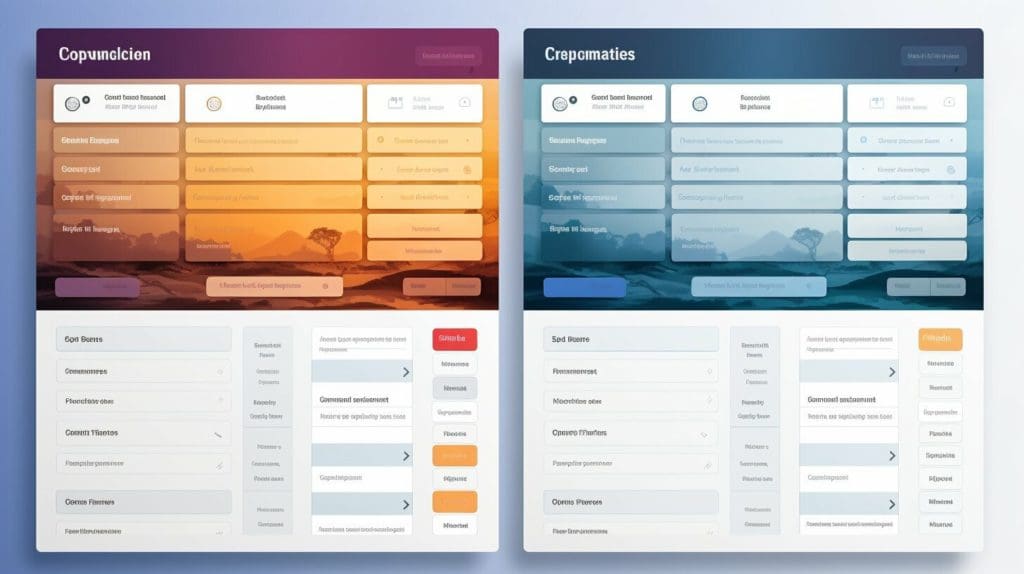
When comparing different CMS options, consider factors such as cost, scalability, customization options, and integrations with third-party tools. Evaluating these features against your business needs can help you make an informed decision that aligns with your growth goals.
Combining Analytics Platforms for Comprehensive Insights
One of the most effective ways to gain comprehensive and accurate insights is by combining analytics platforms. By integrating data from multiple sources, you can get a more accurate picture of your website’s performance and identify areas for improvement. Some popular analytics platforms to consider include HubSpot and Google Analytics.
Here are some tips to seamlessly integrate these platforms:
| Step | Description |
|---|---|
| Step 1 | Connect your HubSpot account to your Google Analytics account to enable tracking of your HubSpot pages in Google Analytics. |
| Step 2 | Make sure that both platforms are tracking the same goals and events to ensure consistency in your data. |
| Step 3 | Utilize HubSpot’s attribution reporting to gain a deeper understanding of the customer journey and how different marketing channels are impacting conversions. |
| Step 4 | Use Google Analytics‘ advanced segmentation to analyze user behavior and identify patterns in your data. |
Through the combined use of HubSpot and Google Analytics, you can access an array of powerful marketing and data analysis tools. This allows you to better understand your audience, create more effective marketing campaigns, and ultimately boost conversions. Keep in mind that the process of integrating these platforms requires some technical knowledge. If you’re unsure how to do this, consider working with a professional to ensure a seamless integration.

Implementing Trackable Links for Effective Measurement
One of the best ways to measure the effectiveness of your content is by using trackable links. These links allow you to track clicks and monitor how users interact with your content.
The easiest way to create trackable links is by using Google’s Campaign URL Builder. This tool allows you to add specific parameters to your links, such as the source, medium, and campaign name, which can then be tracked in Google Analytics.
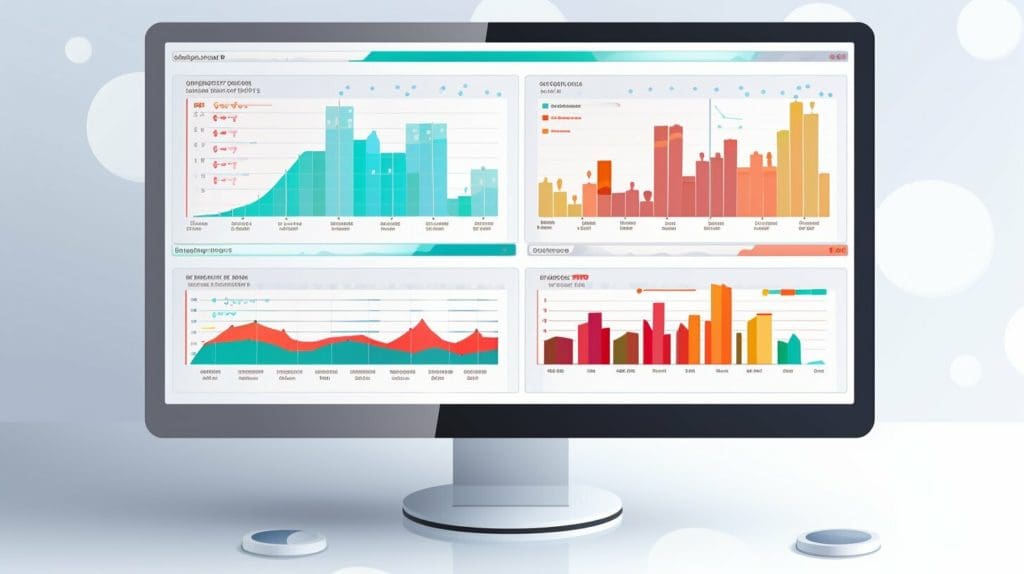
When implementing trackable links, it’s important to follow best practices to ensure accurate measurement. First, use descriptive and meaningful names for your parameters to make it easy to identify them in your Analytics reports. Second, avoid URL shorteners as they often remove tracking parameters and make it difficult to track the source of your traffic. Finally, keep track of your campaigns and regularly review and update your tracking parameters to ensure accuracy.
Using trackable links is an essential part of measuring your content’s performance and making data-driven decisions. By following best practices and using tools like Google’s Campaign URL Builder, you can gain valuable insights into your audience’s behavior and optimize your content accordingly.
Maximizing the Potential of CMS Tools
Content management systems (CMS) are essential tools for managing website content. The right CMS can help you streamline your content creation process, improve your website’s UI/UX, and optimize your SEO efforts.
One of the key features of a good CMS tool is its flexibility. It should allow you to customize your website’s layout and design to align with your brand’s aesthetics, without compromising functionality. WordPress, for instance, has thousands of templates and themes to choose from, making it a popular CMS tool for businesses of all sizes.
Aside from website design, CMS tools also offer website optimization features. These tools can help you identify and fix broken links, optimize your images and videos, and improve your site’s loading speed. Some of the popular website optimization tools are Yoast, All in One SEO Pack, and Rank Math.

If SEO is a priority for your business, consider using a CMS tool that has built-in SEO features. HubSpot, for example, has a range of SEO tools, including a comprehensive dashboard that allows you to track everything from keyword rankings to backlinks.
Ultimately, the right CMS tool for your business will depend on your specific needs, budget, and technical expertise. To make an informed decision, research and compare different CMS options and take advantage of free trials or demos offered by the CMS providers.
Leveraging Marketing Analytics Tools for Data Analysis
Marketing analytics tools are crucial for data analysis and decision-making. They help businesses track their online performance and understand their audience better. The right choice of analytics tools will provide you with comprehensive insights that enable you to make informed marketing decisions.
Some of the top marketing analytics tools available in the market include:
| Tool | Functionality |
|---|---|
| Google Analytics | Tracks website traffic, user behavior, and conversion rates |
| HubSpot Analytics | Provides insights into the effectiveness of marketing campaigns and website optimization |
| Moz Pro | Offers SEO insights and competitor analysis |
These tools provide different functionalities that suit a variety of businesses. By combining multiple platforms, you can gain comprehensive insights and improve your marketing strategy further.
To make the most of marketing analytics tools, you need to understand the data they provide. You should be familiar with metrics such as bounce rates, conversion rates, and click-through rates. These metrics will help you make data-driven decisions and optimize your marketing campaigns.
With marketing analytics tools, you can track social media engagement, measure the effectiveness of your content marketing, and analyze your email campaigns’ performance. The insights you gain from marketing analytics tools can help you create a more effective marketing strategy and improve your ROI.
Using marketing analytics tools helps you gain a competitive edge in the industry. By understanding your target audience and tracking your online performance, you can create more relevant and effective marketing campaigns.

Don’t miss out on the chance to leverage marketing analytics tools to improve your marketing strategy. By using these tools, you can gain valuable insights and improve your online presence and marketing efforts.
Enhancing Online Presence with CMS and Analytics Tools
Using CMS tools and marketing analytics tools can significantly enhance your online presence. By utilizing the features and functionalities of these tools, you can create a website that is optimized for search engines, delivers engaging content, and keeps your audience coming back for more.
With CMS tools, you can easily manage your website content, customize your website design, and improve your website’s performance. You can also integrate SEO tools that allow you to optimize your content for relevant keywords, meta tags, and descriptions.
Marketing analytics tools provide insights into your website’s traffic, visitor behavior, and conversion rates. You can track the effectiveness of your digital marketing campaigns, identify areas for improvement, and make data-driven decisions to enhance your website’s performance.

By combining the power of CMS tools and marketing analytics tools, you can create a website that delivers a seamless user experience, drives traffic, and converts visitors into customers. With the right tools and strategies, your online presence can become a powerful marketing tool that helps you achieve your business goals.
Boosting Conversions with Data-Driven Strategies
Marketing analytics tools and website optimization tools go hand in hand when it comes to boosting conversions. By analyzing the data collected from these tools, you can identify areas for improvement and optimize your website for better performance.
To start, use your marketing analytics tools to track user behavior on your website. Look at metrics such as bounce rate, time spent on page, and conversion rate to identify any patterns or areas of concern. From there, use website optimization tools to make necessary changes to your website, such as improving load times or redesigning landing pages.
Another effective strategy is to use A/B testing to compare different versions of your website to see which performs better. Marketing analytics tools can provide insights on which version leads to higher conversions, allowing you to make data-driven decisions.
Don’t forget to continually monitor and analyze your data to make ongoing improvements. By implementing data-driven strategies, you can see a significant boost in conversions and ultimately, business growth.

Best Practices for Successful Implementation
Implementing CMS tools and marketing analytics tools can be a game-changer for the growth of your business. However, it’s important to follow best practices for successful implementation. Here are some tips:
User Training
Ensure that everyone who will be using the tools is properly trained. Offer workshops or online tutorials for beginners and advanced users to maximize the potential of the tools.
Regular Updates
Keep your CMS tools and marketing analytics tools up-to-date. Regular updates ensure that you’re using the latest features and functionalities to optimize your online presence and conversions.
Data Privacy
Protect your business and customer data by implementing strong security measures. Use encryption and multi-factor authentication to prevent data breaches and unauthorized access.
Industry Compliance
Ensure that your CMS tools and marketing analytics tools are compliant with industry regulations and standards. Follow guidelines such as GDPR, CCPA, and HIPAA to avoid legal and financial penalties.
Collaborate with Your Team
Collaboration is key to the successful implementation of CMS tools and marketing analytics tools. Work with your team to establish goals, track progress, and share insights for a comprehensive approach to growth.

“By following these best practices, you can ensure the successful implementation of CMS tools and marketing analytics tools, and maximize the potential of your online presence for business growth.”
Conclusion
Congratulations! You’ve now gained valuable insight on how to choose the right CMS and marketing analytics tools for your business. Remember, these tools play a crucial role in enhancing your online presence and boosting conversions.
By understanding the features and functionalities of different CMS options, you can make an informed decision that meets your business needs. Additionally, by combining analytics platforms and implementing trackable links, you can gain comprehensive insights and measure the performance of your content effectively.
Maximizing the potential of CMS tools and leveraging marketing analytics tools for data analysis can help you enhance your online presence and boost conversions through data-driven strategies. And with the best practices for successful implementation in place, you can ensure efficient and effective utilization of the tools.
Don’t forget to take action and explore the recommended solutions. By using the right CMS and marketing analytics tools, you can take your business to the next level. Good luck!
FAQ
Q: What are CMS tools and why are they important for my business?
A: CMS tools, or Content Management Systems, are software platforms that allow businesses to create, manage, and update their website content. They provide a user-friendly interface for content creation and editing, making it easier to maintain a professional online presence. CMS tools are important for businesses as they enable efficient content management, improve website performance, and enhance user experience.
Q: How can marketing analytics tools benefit my business?
A: Marketing analytics tools provide valuable insights into your marketing campaigns, website traffic, and customer behavior. They help you track and measure the effectiveness of your marketing efforts, identify areas for improvement, and make data-driven decisions. Marketing analytics tools also contribute to better targeting, higher conversions, and improved ROI for your business.
Q: Which CMS options should I consider for my business?
A: There are several popular CMS options to consider, including HubSpot, WordPress, and Drupal. Each CMS has its own features, flexibility, and user-friendliness. HubSpot offers an all-in-one marketing and sales platform, WordPress is known for its extensive customization capabilities, and Drupal is preferred by larger enterprises for its scalability. It’s important to evaluate the specific needs of your business and choose a CMS that aligns with your goals and requirements.
Q: Can I combine different analytics platforms for comprehensive insights?
A: Yes, combining analytics platforms can provide comprehensive insights for your business. For example, integrating HubSpot and Google Analytics allows you to leverage the strengths of both platforms. HubSpot provides detailed marketing and sales data, while Google Analytics offers comprehensive website traffic and audience insights. By integrating data from multiple platforms, you can gain a holistic view of your marketing performance and make informed decisions.
Q: How can I implement trackable links for effective measurement?
A: Implementing trackable links is essential for measuring the performance of your content. There are various tools available, such as Bitly and Google URL Builder, that allow you to create trackable links. These links enable you to track clicks, conversions, and other relevant metrics, providing valuable data for measuring the success of your marketing campaigns. To ensure effective measurement, it’s important to use consistent tracking parameters and regularly analyze the results.
Q: How can CMS tools maximize the potential of my website?
A: CMS tools offer a range of features and functionalities that can maximize the potential of your website. They simplify content creation and management, allowing you to easily update and optimize your website. CMS tools also provide options for search engine optimization (SEO), website design customization, and integration with other marketing tools. By leveraging these features, you can enhance user experience, improve website performance, and drive organic traffic to your site.
Q: What are the benefits of using marketing analytics tools for data analysis?
A: Marketing analytics tools play a crucial role in data analysis for businesses. They help you track and measure key metrics related to your marketing efforts, such as website traffic, conversion rates, and customer engagement. By analyzing this data, you can identify trends, uncover insights, and make informed decisions to improve your marketing strategies. Marketing analytics tools enable you to optimize your campaigns, target your audience more effectively, and achieve higher ROI.
Q: How can CMS tools and marketing analytics tools enhance my online presence?
A: CMS tools and marketing analytics tools are essential for enhancing your online presence. CMS tools enable you to create and maintain a professional website, optimize your content for search engines, and engage with your audience through various channels. Marketing analytics tools provide the data and insights needed to refine your online marketing strategies, attract more visitors to your site, and convert them into loyal customers. Together, these tools help you establish a strong online presence and build your brand reputation.
Q: How can marketing analytics tools and website optimization tools boost conversions?
A: Marketing analytics tools and website optimization tools are powerful resources for boosting conversions. By analyzing data from marketing analytics tools, you can identify areas for improvement in your conversion funnel, such as high bounce rates or cart abandonment. Website optimization tools enable you to implement changes and test different strategies to optimize your website for higher conversions. By continuously analyzing data and refining your strategies, you can increase conversion rates and drive more revenue for your business.
Q: What are some best practices for successful implementation of CMS tools and marketing analytics tools?
A: To ensure successful implementation of CMS tools and marketing analytics tools, consider the following best practices:
– Provide training and support to your team to ensure they understand how to effectively use the tools.
– Regularly update your CMS and analytics tools to benefit from new features and enhancements.
– Ensure data privacy and comply with industry regulations when handling customer data.
– Continuously analyze and interpret the data from your tools to make informed decisions and improve your strategies.
