
Artificial intelligence robots have been making waves in various industries, revolutionizing how we work and live. They are smart machines that can perform tasks that typically require human intelligence, such as learning, problem-solving, and decision-making.
This article will explore the fascinating examples of AI robots and highlight how they are transforming industries. From healthcare to transportation, manufacturing to customer service, AI robots are making a significant impact.
Key Takeaways
- AI robots are smart machines performing tasks that typically require human intelligence.
- AI robots are transforming various industries, including healthcare, transportation, manufacturing, and customer service.
- Examples of AI robots include robotic assistants in surgeries and patient care, self-driving cars, drones, and chatbots.
Skip to the FAQ here.
How AI Robots Are Transforming Industries
Artificial Intelligence (AI) robots have become an increasingly popular technology in recent years. The applications of AI robots are wide-ranging, and their impact on various industries is significant. From healthcare to manufacturing to transportation, AI robots transform businesses’ operations.
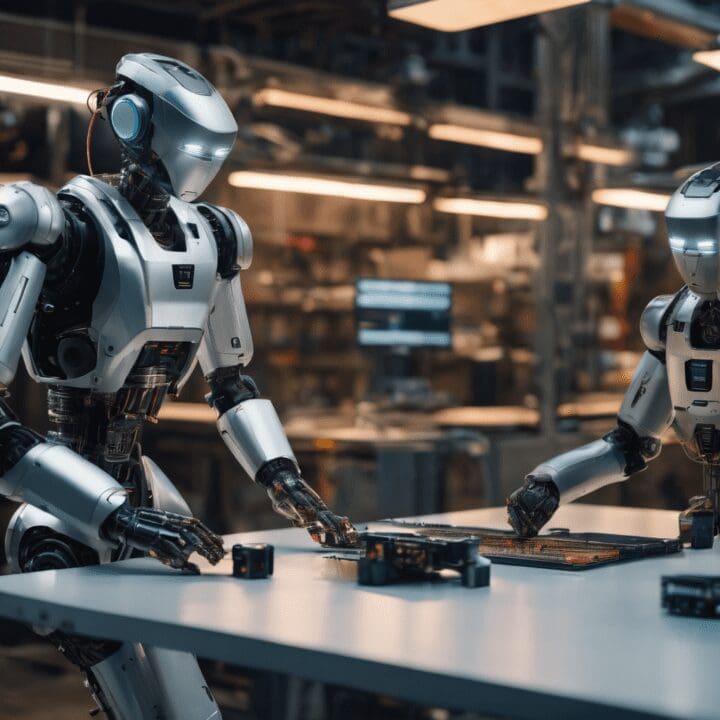
One of the most prominent use cases for AI robots is in manufacturing. They are used to handle repetitive tasks previously performed by human labor. For example, robots are used in manufacturing assembly lines to execute precise tasks like welding and painting. This increases efficiency and quality control, ultimately leading to cost savings and improved customer satisfaction.
AI robots are being used in healthcare to improve patient care and outcomes. Robotic assistants have been employed in surgeries to enhance precision and accuracy. Additionally, robots are being used to help with diagnosis and patient monitoring. These robots help reduce the workload of healthcare professionals while also increasing patient safety.
Transportation is another field that AI robots have impacted. Self-driving cars, drones, and delivery robots are all examples of AI robots being applied in this sector. These robots can increase transportation efficiency, reduce carbon emissions, and improve road safety.
Overall, the applications of AI robots are vast and varied. We expect to see even more innovative examples of AI robots used in various industries as technology advances.
AI Robots in Healthcare
AI robots are transforming the healthcare industry with their ability to improve patient care and assist medical professionals in their daily tasks. These robotic examples of AI are designed to perform a variety of artificial intelligence robot use cases, including surgery, patient care, and diagnosis.
Robotic assistants are increasingly used in surgeries, providing doctors with greater precision and control. For instance, the Da Vinci Surgical System is a robotic platform that performs minimally invasive surgery with high accuracy. It enables surgeons to operate with a greater range of motion and better surgical site visualization, resulting in improved patient outcomes.
AI robots are also utilized for patient care, providing companionship and support for elderly patients. For example, the Paro robot is a therapeutic robot designed to replicate the behavior of a baby harp seal. It has been used in nursing homes and hospitals to reduce stress and improve the mood of patients.
Another area where AI robots are making a difference is diagnosing medical conditions. For example, IBM’s Watson Health platform uses AI technology to analyze large amounts of medical data and assist doctors in making diagnoses. It has been used to identify rare diseases and help oncologists develop personalized treatment plans for cancer patients.
Real-world examples of artificial intelligence robots being used in healthcare include the Moxi robot, which assists nurses with non-patient-facing tasks such as restocking supplies and delivering lab samples. The Tug robot is another example, providing hospital transportation services and reducing the need for human labor.
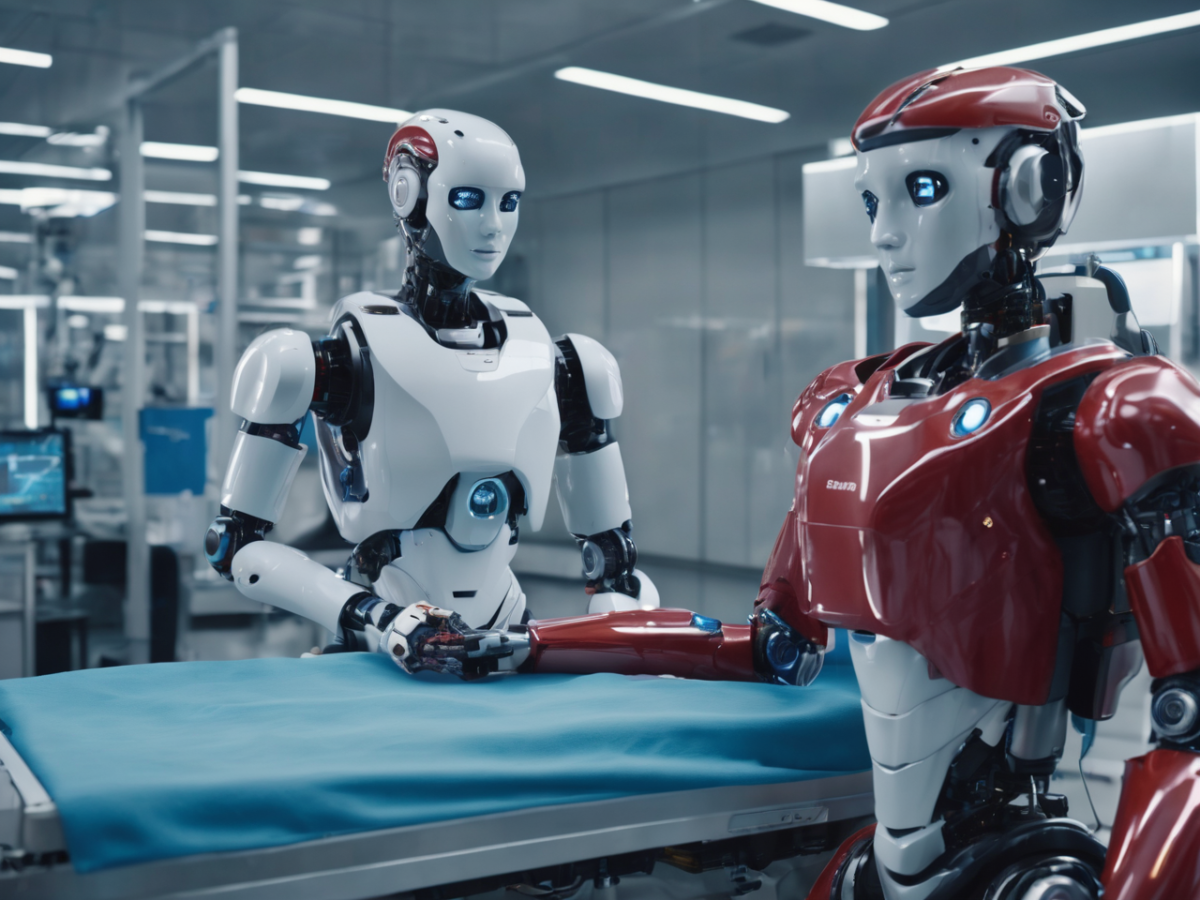
As AI technology advances, we can expect even more robotic examples of AI to be developed for use in healthcare. From robotic surgery to AI-assisted diagnosis, these artificial intelligence robot use cases can potentially improve patient outcomes and revolutionize the healthcare industry.
AI Robots in Manufacturing
AI technology is revolutionizing the manufacturing industry, with robots playing an increasingly important role in operations. These robots are providing cost-effective and efficient solutions to complex manufacturing tasks.
There are several examples of how AI robots are being used in manufacturing. For instance, Ford has incorporated robots that can perform various tasks, such as welding and painting, on their assembly lines. This has increased productivity, higher-quality products, and improved worker safety.
| Company | AI Robot | Application |
|---|---|---|
| Siemens | SpiderBot | 3D printing |
| Boeing | Spot Welding Robot | Welding |
| Amazon | Kiva | Warehouse automation |
On the other hand, Siemens has developed a 3D printer called SpiderBot that utilizes AI to optimize the manufacturing process. The robot can adjust its printing techniques depending on the complexity of the design, resulting in a more efficient and precise output.
Another example is Boeing’s Spot Welding Robot, which uses AI to weld airplane wings together more accurately and quickly than traditional welding techniques. This has led to a reduction in errors, time, and costs in the production line.
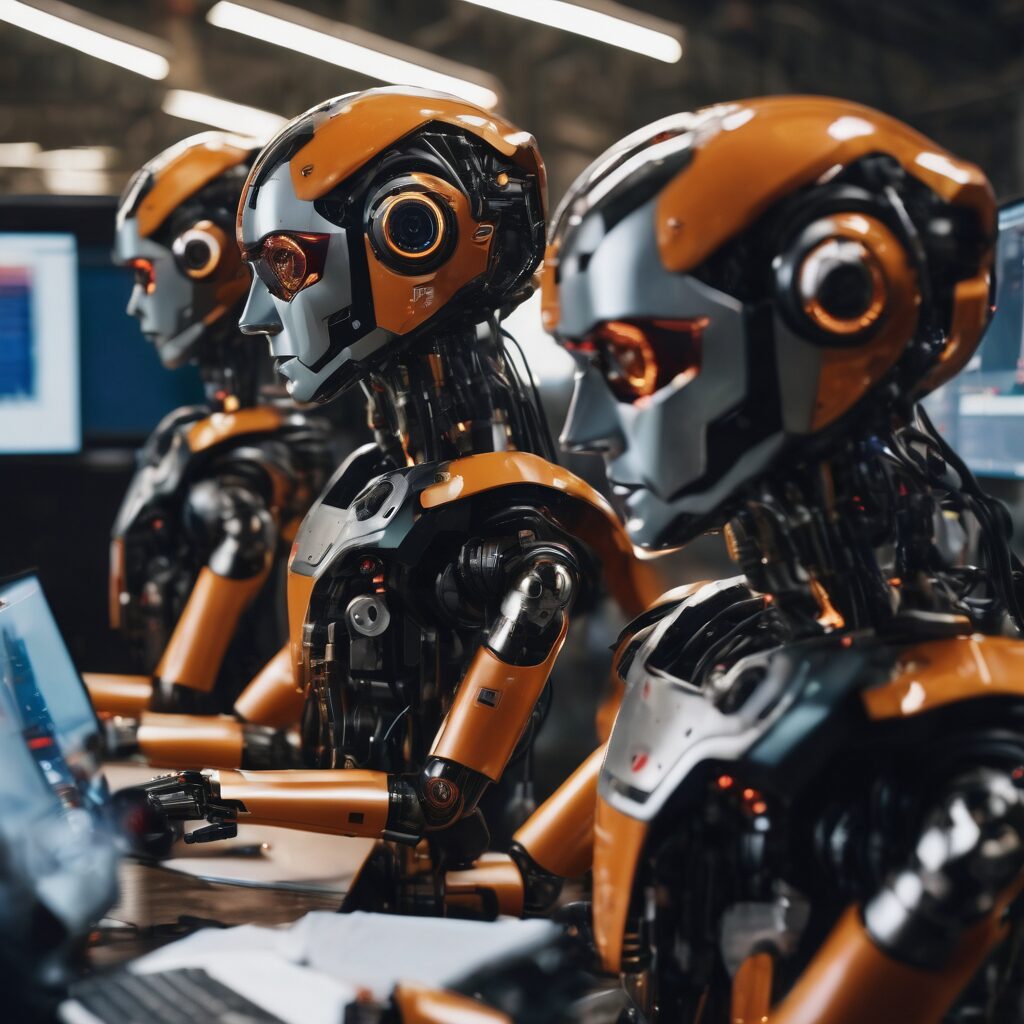
Amazon has also implemented AI robots in its warehouses. Kiva robots help to automate the process of transporting products from shelves to workers, reducing the time and cost of tasks that used to be done manually.
Overall, AI robots are transforming the manufacturing industry and providing vast benefits to companies across the globe. By replacing traditional human labor with autonomous robots, companies are improving quality and efficiency and lowering production costs.
AI Robots in Transportation
The transportation industry has seen significant advancements in recent years with the introduction of AI robots. These robots are transforming how goods and people are transported, increasing efficiency and safety. Let’s explore some examples of AI robots in transportation and their impact on the industry.
Self-Driving Cars
Self-driving cars are perhaps the most well-known example of AI robots in transportation. These cars use AI algorithms to analyze their surroundings and make decisions based on that data. They can detect other vehicles, pedestrians, and obstacles on the road and adjust their speed and direction accordingly. Companies like Google and Tesla have been developing self-driving cars for years, and many experts predict that they will soon become the norm on our roads.
One notable example of a successful self-driving car is Waymo, a subsidiary of Google’s parent company, Alphabet. Waymo’s self-driving cars have already traveled millions of miles on public roads, and the company plans to expand its fleet further in the coming years.
Drones
Drones are another example of AI robots in transportation. They are used for various tasks, including delivering packages, conducting aerial surveys, and monitoring wildlife populations. Drones have sensors and cameras that allow them to navigate their surroundings and collect data.
Amazon is one company that has been experimenting with drone delivery. 2016, the company completed its first successful drone delivery in the UK. Since then, it has continued to test and refine its drone delivery program to deliver packages to customers in 30 minutes or less.
Delivery Robots
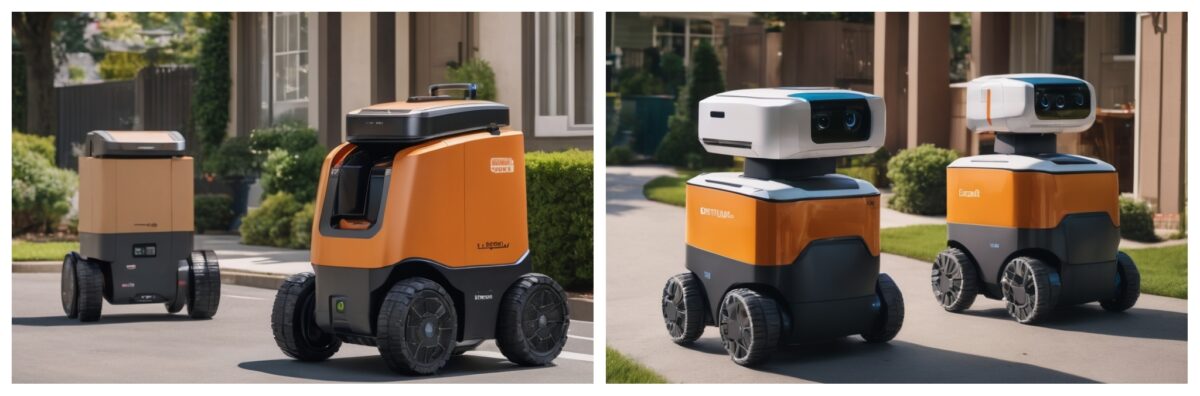
Delivery robots are becoming increasingly common in urban areas. These robots are typically small and autonomous and are used to deliver packages and food orders. They can navigate sidewalks and crosswalks and are equipped with sensors and cameras to avoid obstacles and ensure safe delivery.
Starship Technologies is one company that is pioneering the use of delivery robots. Its robots are already used in several cities worldwide, delivering packages and groceries to customers’ doorsteps. The company plans to expand its delivery robot fleet in the coming years.
Overall, AI robots have the potential to revolutionize the transportation industry. Self-driving cars, drones, and delivery robots are just a few examples of how AI technology is being used to make transportation safer, faster, and more efficient. As technology advances, we can expect to see even more exciting developments in this field.
AI Robots in Customer Service
One of the most common applications of AI robots is in customer service. With the rise of chatbots and virtual assistants, businesses can provide 24/7 support and improve response times.

Powered by AI technology, Chatbots can handle various tasks such as answering frequently asked questions, processing orders, and even booking appointments. This saves the customer time and allows human customer service representatives to focus on more complex issues.
Virtual assistants, on the other hand, are designed to mimic human interaction and provide a personalized experience for customers. They can assist in product recommendations, issue resolution, and emotional support. Companies like Bank of America and H&M have already implemented virtual assistants to enhance customer service offerings.
AI robots in customer service are highly effective, with studies showing that they can resolve up to 80% of customer inquiries without human intervention. This improves efficiency for businesses and enhances the overall customer experience.
Overall, the applications of AI robots in customer service have proven invaluable in improving support and engagement. With continued advancements in AI technology, we can expect to see even more innovative solutions that enhance the customer experience.
Ethical Considerations of AI Robots
As AI robots become more prevalent in our society, it is essential to consider the ethical implications of their use. There are concerns about privacy, job displacement, and bias in AI algorithms.
One example of ethical considerations in AI robotics is using facial recognition technology in law enforcement. There have been cases where this technology has produced false positives, leading to wrongful arrests. Additionally, there are concerns about using this technology for surveillance and invasion of privacy.
Another concern is job displacement. With the rise of automation, there is a fear that many jobs will become obsolete. It is essential to consider the impact of AI robots on the workforce and develop strategies to address these challenges.
Bias in AI algorithms is also a concern. Machine learning algorithms are only as unbiased as the data they are trained on. If the data contains biases, the algorithm will learn and perpetuate them in its decision-making. For example, an AI system used in the hiring process may discriminate against certain groups of people based on biased data.
It is essential to address these ethical considerations as AI robots become more prevalent in society. By doing so, we can ensure that AI technology’s benefits are realized while mitigating potential harms.
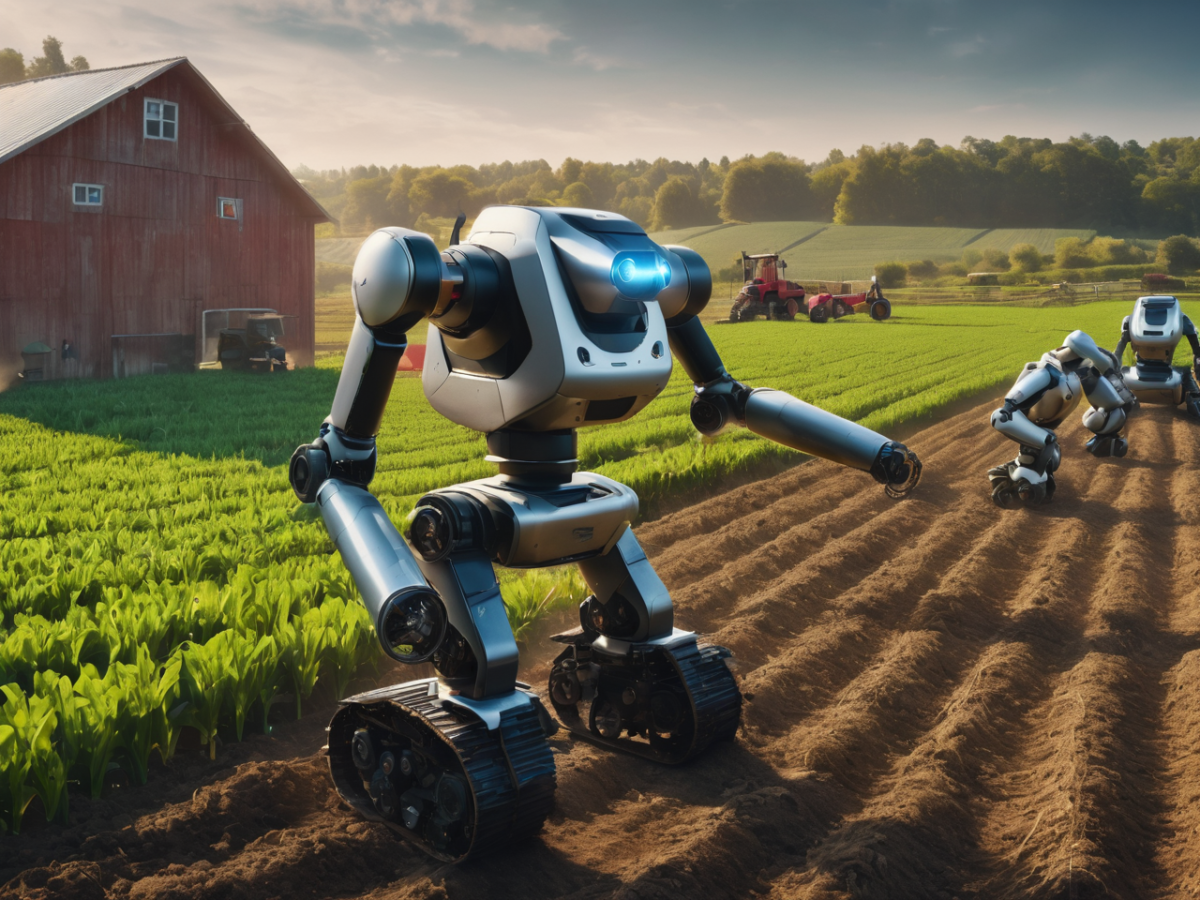
“The rise of powerful AI will be either the best or the worst thing ever to happen to humanity. We do not yet know which.” – Stephen Hawking
Future Trends in AI Robotics
As the field of artificial intelligence robotics continues to advance, new trends are emerging that will shape the future of this technology. One of the most exciting trends is the development of humanoid robots that can interact with humans more naturally. These robots are designed to look and move like humans, with the ability to recognize and respond to facial expressions and body language.
Another trend in AI robotics is the development of emotional AI, which involves creating robots that can understand and express emotions. This technology has the potential to revolutionize customer service and human-robot interactions, as emotional AI could enable robots to respond to human emotions more empathetically.
Collaborative robots, also known as cobots, are another trend in AI robotics. These robots are designed to work alongside humans, with the ability to assist with tasks that are too dangerous or difficult for humans to perform alone. Cobots can help increase efficiency in manufacturing and other industries while reducing the risk of injury to human workers.
Overall, the future of AI robotics is full of exciting possibilities and advancements. As this technology continues to evolve, we can expect to see even more applications of AI robots in various industries and an even more significant impact on society.
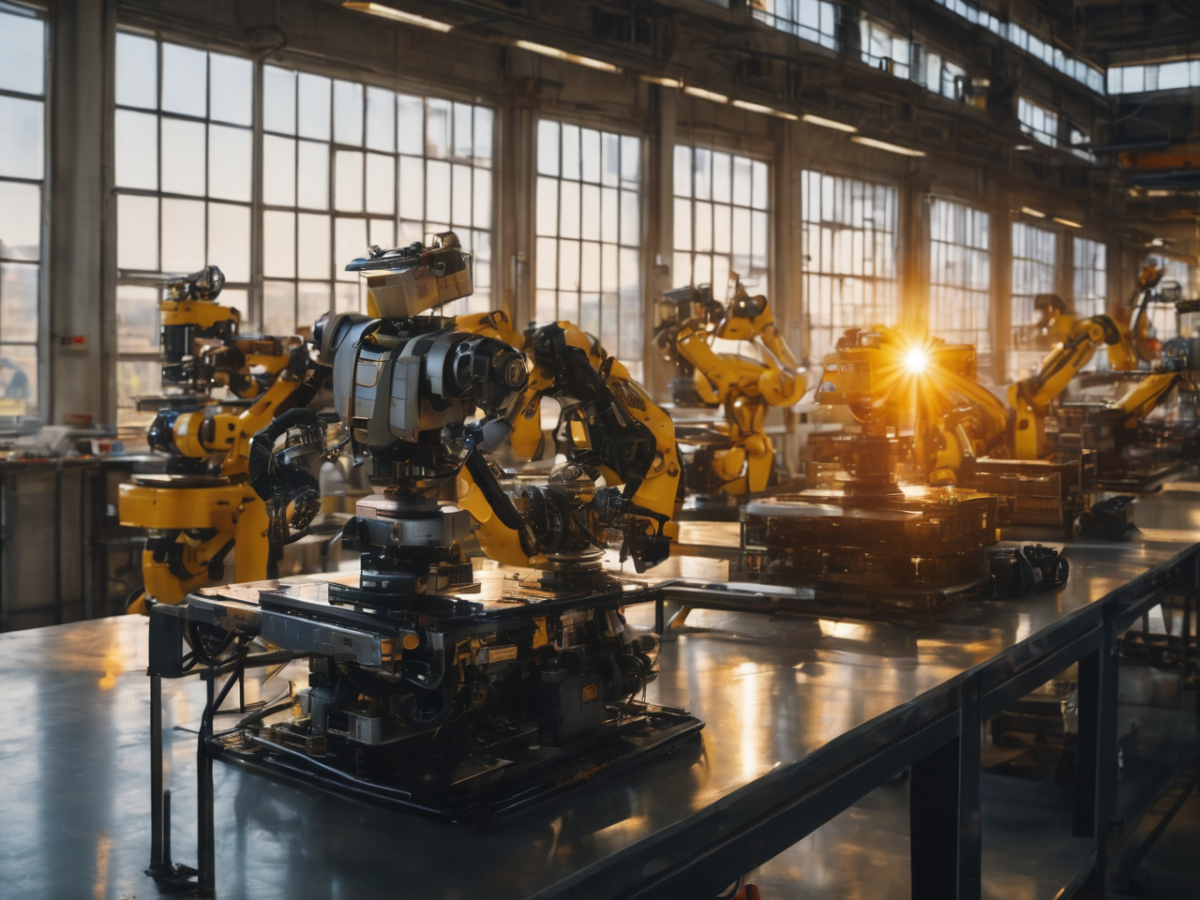
Robotic examples of AI in manufacturing
AI Robots and Human Collaboration
AI robots have the potential to work alongside humans in various industries, improving efficiency and productivity. Collaborative robots, or cobots, are becoming increasingly popular in manufacturing, healthcare, and other sectors. Cobots can work alongside humans and take on repetitive or dangerous tasks, allowing humans to focus on more complex and creative work.
In healthcare, AI robots are being used to augment the capabilities of medical professionals. For example, the da Vinci surgical system is a robotic platform designed to assist surgeons during minimally invasive surgeries. The robot provides a three-dimensional view of the surgical site and can perform precise movements complex for humans to replicate.
Another example of human-robot collaboration can be found in the manufacturing industry. AI robots are used to assist workers with tasks requiring heavy lifting or repetitive motions. The robots are programmed to follow specific instructions and can work alongside humans on the production line.
Overall, the use of AI robots in collaboration with humans is expected to increase in the coming years. As technology advances, robots will become more sophisticated and better able to work alongside humans in various industries.

Robot examples in artificial intelligence are expected to become increasingly common in the workplace as employers seek to improve productivity and efficiency. Ensuring these robots are designed with human collaboration in mind and can work safely alongside their human counterparts is essential.
Challenges in AI Robot Development
Despite the impressive advancements in AI robots, developing them comes with challenges. Technical hurdles are some of the most significant challenges in creating AI robots. For example, developing algorithms that mimic human intelligence requires extensive programming expertise. Additionally, creating hardware that can perform the necessary computations is a task that requires significant investment.
AI robot development also requires overcoming regulatory hurdles. As the technology progresses, legal frameworks for AI robots must be created to ensure they operate safely and ethically. This process can be challenging, as it requires the cooperation of multiple stakeholders, including developers, regulators, and policymakers.
Another significant challenge is societal acceptance. As AI robots become more advanced, they may resemble humans more closely. This resemblance raises questions about whether AI robots should be granted the same legal rights as humans. Additionally, some people may be uncomfortable working alongside AI robots, creating issues of workplace acceptance.
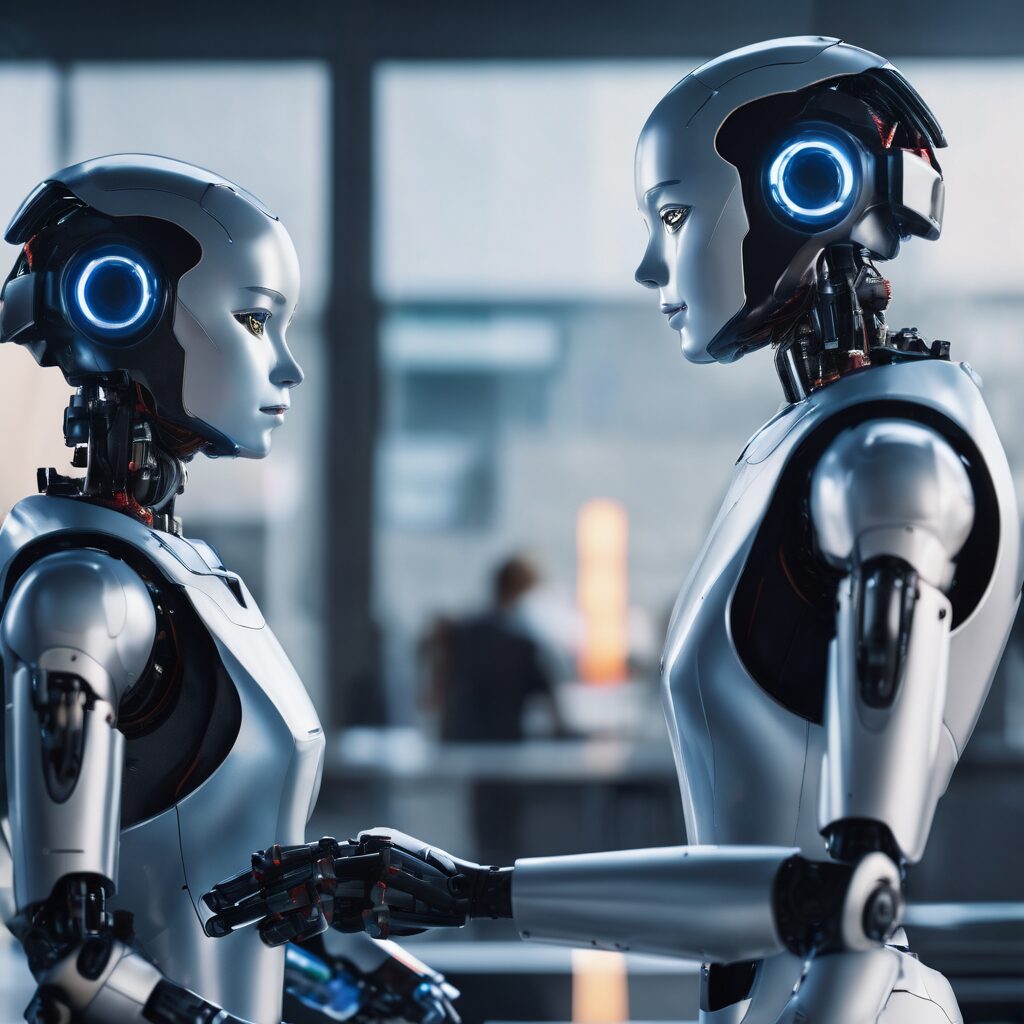
There are many real-world examples of AI robot development challenges. For instance, Boston Dynamics’ humanoid robot Atlas faced numerous development challenges like balance and stability. Similarly, SoftBank’s Pepper robot faced difficulties developing its natural language processing capabilities.
Developing AI robots brings about a unique set of challenges. Technical, regulatory, and societal hurdles must all be overcome to create safe, effective, and ethical AI robots. However, progress is expected to continue as technology advances and more resources are invested in AI robot development.
Conclusion
In conclusion, the impact of artificial intelligence robots on various industries is evident in the real-world examples we have explored. From healthcare to manufacturing, transportation to customer service, AI robots transform how things are done. The potential for further advancements in AI technology is enormous, and the need for ethical considerations becomes increasingly essential.
Real-world Examples of AI Robots
Real-world examples of AI robots include robotic surgeons in complex surgeries, deploying self-driving cars in the transportation sector, and using chatbots in customer service applications. These applications demonstrate the potential for AI robots to improve efficiency and enhance human experiences.
Examples of Artificial Intelligence Robots
Examples of artificial intelligence robots include collaborative robots that work alongside humans, humanoid robots that can interact with humans more socially, and emotional AI that can recognize and respond to human emotions. These examples highlight the potential for AI robots to become more integrated into society and offer new ways for humans and machines to work together.
Artificial Intelligence Robots Examples
Artificial intelligence robot examples include using drones in agriculture to improve crop yields, using delivery robots for last-mile logistics, and using robots in industrial automation. These examples demonstrate the diversity of applications for AI robots across various industries.
FAQ
Q: What are some examples of artificial intelligence robots?
A: Some examples of artificial intelligence robots include humanoid robots, collaborative robots, and robotic assistants used in industries such as healthcare, manufacturing, and transportation.
Q: How are AI robots transforming industries?
A: AI robots are transforming industries through applications such as healthcare, manufacturing, transportation, and customer service. They are improving efficiency, automation processes, and enhancing customer experiences.
Q: What is the role of AI robots in healthcare?
A: AI robots play a crucial role in healthcare by assisting in surgeries, patient care, and diagnosis. They are used in hospitals and clinics to improve efficiency and provide better healthcare services.
Q: How are AI robots impacting the manufacturing industry?
A: AI robots improve manufacturing by enhancing efficiency, quality control, and automation. They are deployed in factories to streamline production and improve overall productivity.
Q: In what ways are AI robots being used in transportation?
A: AI robots are revolutionizing transportation by using self-driving cars, drones, and delivery robots. These robots are changing how goods and people are transported, making them more efficient and convenient.
Q: How are AI robots being utilized in customer service?
A: AI robots are used in customer service to enhance customer experiences and provide support. Chatbots and virtual assistants are examples of AI robots improving customer service interactions.
Q: What are the ethical considerations of AI robots?
A: Ethical considerations of AI robots include concerns related to privacy, job displacement, and bias in AI algorithms. It is essential to address these ethical implications to ensure the responsible use of AI technology.
Q: What are some future trends in AI robotics?
A: Future trends in AI robotics include advancements in humanoid robots, emotional AI, and collaborative robots. These trends will shape industries and society as a whole.
Q: How do AI robots collaborate with humans?
A: AI robots collaborate with humans by augmenting their capabilities in various industries. They work alongside humans to enhance productivity and achieve better results.
Q: What are the challenges in AI robot development?
A: Challenges in AI robot development include technical obstacles, regulatory hurdles, and societal acceptance. Overcoming these challenges is essential for successfully developing and adopting AI robots.
