
Artificial Intelligence (AI) has been a buzzword for decades, encompassing a broad range of technologies shaping the future of intelligence. General AI, in particular, refers to systems that can perform any intellectual task a human can. This section will introduce the concept of general AI examples and their significance in AI.
Machine learning, deep learning, natural language processing, computer vision, autonomous vehicles, recommender systems, virtual assistants, and robotics are all aspects of AI that will be explored in the subsequent sections. From healthcare to finance, communication to transportation, AI has made tremendous strides in transforming various industries by improving data analysis, predictive modeling, and personalized recommendations.
Key Takeaways:
- General AI refers to systems that can perform any intellectual task that a human can.
- Machine learning, deep learning, natural language processing, computer vision, autonomous vehicles, recommender systems, virtual assistants, and robotics are all aspects of AI.
- AI has transformed various industries by improving data analysis, predictive modeling, and personalized recommendations.
Skip to the FAQ here.
General AI Examples in Machine Learning
AI-powered machine learning algorithms have transformed industries across the board, enabling more accurate data analysis, predictive modeling, and personalized recommendations. Here are a few general AI examples that illustrate the transformative power of machine learning.
| Industry | Application | AI Solution |
|---|---|---|
| Healthcare | Diagnosis and Treatment | IBM Watson for Oncology, an AI system that analyzes patient data to provide personalized treatment recommendations for cancer patients. |
| Finance | Risk Management | ZestFinance a platform that uses machine learning algorithms to evaluate credit risk and provide more accurate credit scores for borrowers. |
| E-commerce | Product Recommendations | Amazon Recommender System, which uses machine learning algorithms to analyze user behavior and provide personalized product recommendations. |
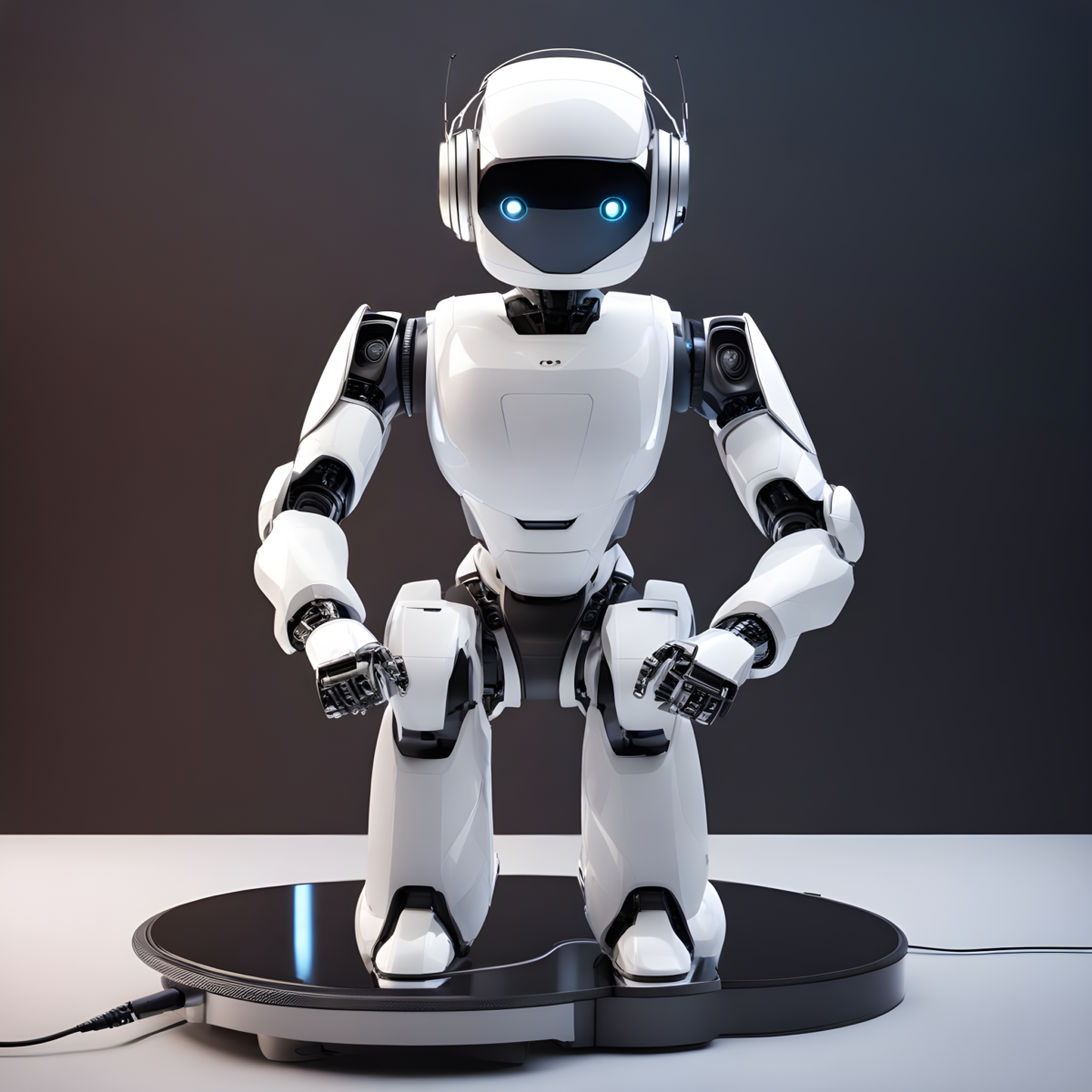
These general AI examples in machine learning demonstrate how AI-powered algorithms can improve decision-making in various industries and domains, enhancing efficiency and productivity. As machine learning technology evolves, the possibilities for AI-driven transformation are endless.
Enhancing Intelligence with Deep Learning AI
Deep learning AI is a subset of machine learning that involves training artificial neural networks to recognize patterns in vast amounts of data. Its ability to mimic human-like perception and decision-making has led to remarkable advancements in various fields.

A prime example of deep learning AI in action is image recognition. Previously, recognition of objects within an image required manual tagging and labeling. However, computers can now accurately identify objects within images through deep learning algorithms, even when presented with new, previously unseen images.
Speech recognition is another area where deep learning AI has had a significant impact. Natural language processing and speech synthesis have enabled virtual assistants, such as Siri and Amazon’s Alexa, to understand spoken commands, respond with accurate information, and even carry out tasks on behalf of the user.
Moreover, deep learning algorithms can analyze complex relationships within data, uncovering hidden patterns and making accurate predictions. For instance, in the healthcare industry, AI-based diagnostic systems can analyze medical scans and provide accurate diagnoses, leading to early detection and more effective treatments.
“Deep learning AI has revolutionized various fields, including image recognition, speech recognition, and natural language understanding.”
The potential of deep learning AI in transforming industries is immense, but there are challenges to overcome. One challenge is the lack of transparency in how deep learning algorithms arrive at their decisions, leading to concerns of bias and accountability. Additionally, the high computational requirements and need for vast amounts of labeled data pose significant challenges.
Despite these challenges, deep learning AI is a rapidly growing field with significant potential for future development. From enhancing healthcare outcomes to improving personalized recommendations, deep learning AI is poised to continue revolutionizing the future of intelligence.
General AI Examples in Natural Language Processing
Natural Language Processing (NLP) is a subfield of AI that empowers machines to interact with humans naturally. NLP algorithms have made it possible to build interactive virtual assistants, chatbots, and automated systems that can understand and respond to human speech and text inputs.
One of the most prominent examples of NLP is virtual assistants like Siri, Amazon’s Alexa, and Google Assistant. These systems use sophisticated algorithms to recognize and interpret speech, providing users with the necessary information and accomplishing various tasks. NLP also powers chatbots, which are increasingly used for customer service, sales, and marketing. These bots use natural language understanding to comprehend customer inquiries and provide relevant answers, reducing response time and improving customer satisfaction.
Another example of NLP is language translation systems. These systems use machine learning algorithms to translate text from one language to another automatically. Google Translate is a widely used example of such a system, and it has revolutionized the way people communicate across languages.
Using NLP has made communication between humans and machines more effective and efficient. Whether it’s in the context of virtual assistants, chatbots, or language translation systems, NLP has made significant strides in bridging the communication gap between humans and machines.

Revolutionizing Visual Perception with AI Computer Vision
Computer vision is one of the most prominent examples of general AI that has revolutionized how machines perceive visual data. With the advancements in deep learning algorithms, computer vision systems can analyze and interpret visual data with unprecedented accuracy and speed. These systems can recognize faces, objects, and emotions, paving the way for numerous applications.
One of the most significant applications of computer vision is facial recognition. It has been used for security purposes, including surveillance, access control, and identification. Facial recognition technology makes it possible to match facial features in real-time, making it an essential tool for law enforcement agencies.

Another significant application of computer vision is object detection. AI systems can identify and locate objects within an image or a video. It has numerous applications, including self-driving cars, where AI systems use computer vision to detect obstacles, traffic lights, and road signs to navigate safely.
Computer vision has also played a significant role in developing autonomous vehicles. With the help of AI algorithms, self-driving cars can perceive their environment, predict the movement of other vehicles and pedestrians, and make decisions accordingly. This can revolutionize the transportation industry, making it safer and more efficient.
Revolutionizing Visual Perception with AI Computer Vision: Examples
| Application | Description |
|---|---|
| Facial Recognition | AI algorithms, powered by computer vision, play a significant role in developing autonomous vehicles. They enable self-driving cars to perceive their environment and make decisions accordingly. |
| Object Detection | Object detection uses computer vision to locate objects within an image or a video. It has numerous applications, including self-driving cars, surveillance, and robotics. |
| Autonomous Vehicles | AI algorithms, powered by computer vision, play a significant role in the development of autonomous vehicles. They enable self-driving cars to perceive their environment and make decisions accordingly. |
Computer vision can transform various industries, including healthcare, entertainment, and retail. Its ability to analyze and interpret visual information enables machines to interact with their environment in ways previously deemed impossible.
AI in Autonomous Vehicles: A Glimpse into the Future
Autonomous vehicles represent the most advanced applications of AI and machine learning algorithms, potentially revolutionizing transportation and mobility. These vehicles use sensors, cameras, and advanced algorithms to detect and analyze their surroundings, make decisions, and execute actions.
The technology behind autonomous vehicles involves several AI techniques, including computer vision, machine learning, and deep learning. General AI examples in autonomous vehicles include various systems, such as object detection, lane departure warning, and collision avoidance.
AI-based navigation systems in autonomous vehicles use GPS and other sensors to create a detailed map of the surroundings and plan the vehicle’s route accordingly. These systems can consider real-time traffic data and weather conditions to optimize the route and ensure a safe and efficient journey.

Autonomous vehicles have the potential to transform the transportation industry, providing a safer, more efficient, and cost-effective alternative to traditional vehicles. They offer a glimpse into the future of mobility, with a promising shift towards electric and self-driving cars.
However, there are still several challenges to overcome before autonomous vehicles become a mainstream mode of transportation. These challenges include regulatory and legal barriers, cyber security concerns, and public acceptance of the technology.
Nonetheless, progress in this field continues rapidly, with major automotive companies investing heavily in self-driving technology. General AI examples in autonomous vehicles shape how we think about transportation and pave the way for a future where cars can drive themselves.
Personalized Experiences through AI Recommender Systems
AI recommender systems have become ubiquitous in modern life, providing personalized recommendations in various domains, from entertainment to e-commerce. By leveraging machine learning algorithms, these systems analyze vast amounts of user data to generate tailored suggestions and improve user experiences.

One notable example of an AI-powered recommender system is Netflix, which uses viewer data to suggest shows and movies based on individual preferences and viewing history. Similarly, Amazon utilizes recommendation algorithms to offer products to users based on their purchase and browsing history, making online shopping more efficient and convenient.
AI recommender systems are also widely used in the music industry, with services like Spotify and Pandora using user data to create personalized playlists based on individual listening habits and preferences. This enables users to discover new music tailored to their tastes, creating a more engaging and enjoyable listening experience.
AI-powered recommender systems have proved particularly effective in content streaming services, where they analyze user preferences and behavior to offer personalized recommendations. YouTube, for instance, uses recommendation algorithms to suggest videos to users based on their viewing history and search queries, keeping them engaged and entertained.
AI-powered recommender systems have revolutionized how users interact with products and services. By offering tailored recommendations, users can discover new content and improve engagement, increasing customer satisfaction and loyalty.
Virtual Assistants: A Glimpse into AI Interaction
Virtual assistants have come a long way since the early days of Siri, Amazon’s Alexa, and Google Assistant. Powered by AI, they have become an essential part of daily life, providing users with a hands-free way to interact with their devices. Virtual assistants have made life easier and more convenient, from setting reminders to controlling smart home devices.
But what makes virtual assistants remarkable is their ability to understand natural language and retrieve information from the internet. Using sophisticated algorithms, they can recognize speech patterns and interpret complex commands. They can also learn from user behavior and adapt their responses to provide personalized recommendations.
One of the most significant contributions of virtual assistants has been in the field of accessibility. For people with disabilities or mobility issues, virtual assistants can control devices and perform tasks that would otherwise be challenging or impossible.

Virtual assistants have also found their way into the workplace, where they can help with tasks such as scheduling meetings, managing emails, and performing research. They can free up time for employees to focus on more critical tasks and improve overall productivity.
As AI technology continues to improve, virtual assistants will become even more intelligent and versatile, expanding their capabilities beyond their current tasks. They will also become more integrated with other devices, providing a seamless user experience across platforms.
Overall, virtual assistants represent a significant example of general AI transforming how we interact with machines and making our lives easier and more convenient than ever before.
Unleashing the Potential of AI in Robotics
Integrating AI in robotics has led to significant advancements in the automation field. General AI examples in robotics showcase the ability of machines to learn, adapt, and perform complex tasks. Robotics combined with AI algorithms balances machines’ accuracy, speed, and precision.
A breakthrough in robotics was the introduction of collaborative robots (cobots) that work alongside humans. Cobots can perform tasks with precision and speed, minimizing the risk of human error and improving efficiency. They can also be programmed to recognize human gestures and speech, making them more intuitive and user-friendly.
Robotic automation is transforming multiple industries, such as manufacturing, healthcare, and agriculture. One such example is the robotic arm used in the automotive industry for assembly line tasks that are difficult and fatiguing for humans. The healthcare sector has seen the incorporation of robotic technology to assist in surgery or rehabilitation, like exoskeletons for spinal cord injury patients to assist in walking.
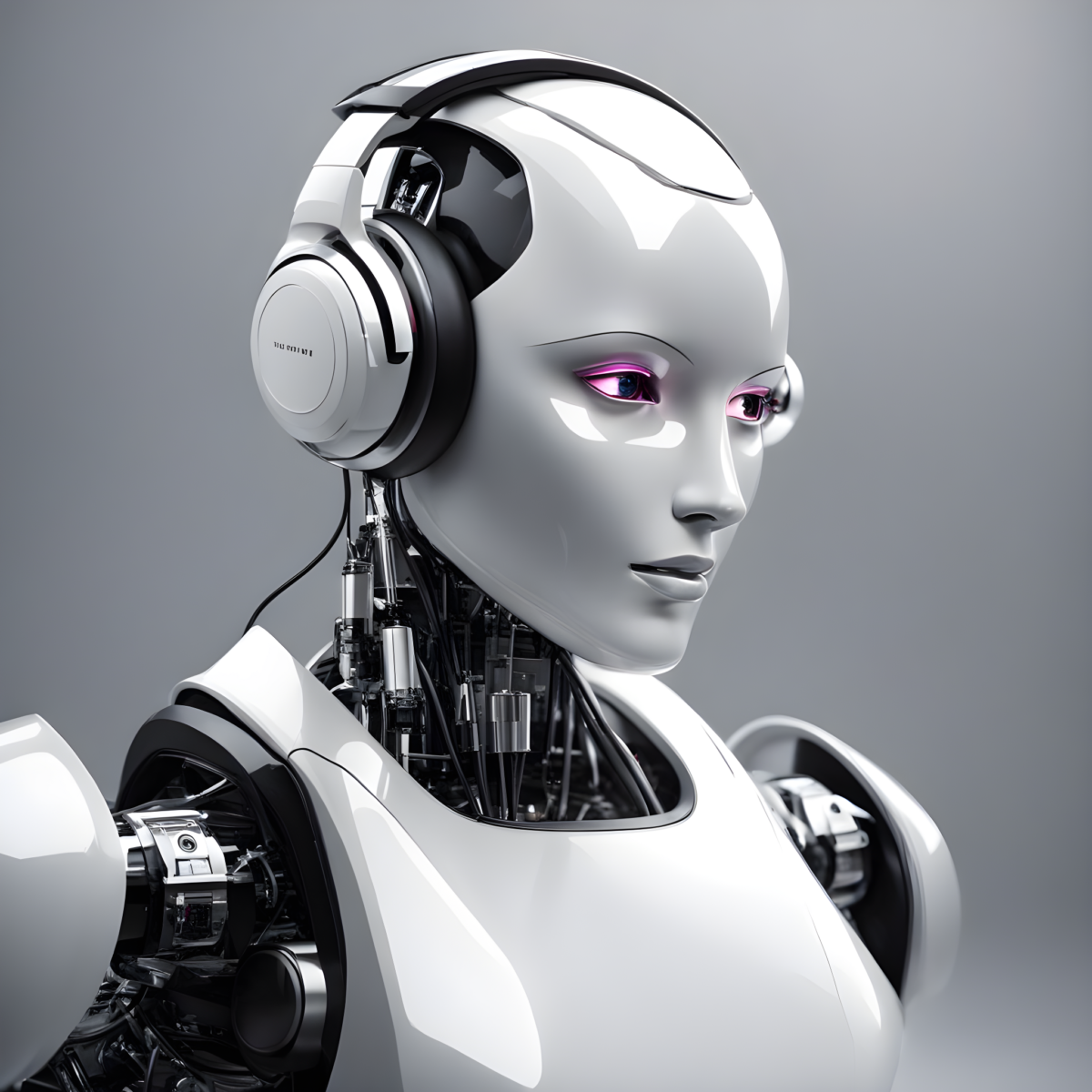
A fascinating application of robotics and AI is developing drones and uncrewed aerial vehicles. Drones can be programmed to navigate through different terrains and weather conditions. They can also be used for surveillance, inspection, and delivery purposes.
Integrating AI in robotics has opened up endless possibilities for innovation and automation. It has enabled the creation of efficient, adaptive, and intelligent machines, redefining the scope of what automation can achieve.
The Future of General AI: Challenges and Opportunities
As general AI continues to evolve, challenges and opportunities exist. One of the biggest challenges is ensuring responsible AI development, where ethical considerations are considered. There are concerns over the potential misuse of AI, such as in facial recognition technology or autonomous weapons. Therefore, it is crucial to establish ethical guidelines and regulations for AI development.
Additionally, the widespread adoption of AI could significantly impact the job market. While AI can create new job opportunities and improve efficiency, it could also lead to job displacement. Preparing for these changes and providing education and training for those transitioning to new careers is essential.
On the other hand, the opportunities presented by general AI are vast. With the ability to analyze vast amounts of data and perform complex tasks, AI has the potential to transform various industries, including healthcare, finance, and transportation.
AI can also lead to innovations and advancements that we can only imagine. For example, AI-assisted drug discovery and personalized medicine can significantly improve patient outcomes and revolutionize the healthcare industry.
As general AI continues to evolve and shape the future of intelligence, it is essential to remain vigilant and embrace the challenges and opportunities presented. By doing so, we can unleash AI’s full potential, transforming how we live, work, and interact with the world.
Conclusion

Throughout this article, we explored various general AI examples shaping the future of intelligence. AI has proven to have transformative impacts across industries, from enhancing data analysis and personalization through machine learning to transforming visual perception with computer vision. Deep learning has enabled machines to recognize images, speech, and language, while natural language processing has improved communication with virtual assistants and chatbots.
Autonomous vehicles have also emerged as a promising application of AI, offering potential benefits such as increased safety and reduced traffic congestion. Recommender systems have revolutionized user experiences, while robotics enables machines to perform increasingly complex tasks.
As AI grows, it will undoubtedly present new challenges and opportunities. Ethical considerations must be considered, and responsible AI development will be crucial. However, with the potential for AI to revolutionize various industries, it is clear that we are only at the beginning of a new era of intelligence.
Overall, the examples of general AI presented in this article provide a glimpse into the vast potential of AI. As we continue to explore and develop this technology, we can expect to see even more impressive applications and advancements in the years ahead.
FAQ
Q: What are general AI examples?
A: General AI examples refer to applications and instances where artificial intelligence is utilized to perform tasks that typically require human intelligence. These examples include machine learning, deep learning, natural language processing, computer vision, autonomous vehicles, recommender systems, virtual assistants, and robotics.
Q: What is machine learning?
A: Machine learning is a subset of artificial intelligence that focuses on developing algorithms and models that enable computers to learn and make predictions or decisions based on data. It involves training computer systems to automatically improve their performance on specific tasks through experience without being explicitly programmed.
Q: What is deep learning?
A: Deep learning is a subfield of machine learning that uses artificial neural networks to model and understand complex patterns and relationships in data. It involves training deep neural networks with multiple layers to learn and extract high-level features from raw input data automatically.
Q: What is natural language processing?
A: Natural language processing (NLP) is a branch of artificial intelligence focusing on the interaction between computers and humans using natural language. It involves the development of algorithms that enable computers to understand, interpret, and generate human language, enabling applications such as virtual assistants, chatbots, and language translation systems.
Q: What is computer vision?
A: Computer vision involves the development of algorithms and techniques that enable computers to analyze, interpret, and understand visual data from images and videos. It includes object detection, image recognition, facial recognition, and autonomous vehicle navigation.
Q: What are autonomous vehicles?
A: Autonomous vehicles, or self-driving cars, can operate without human intervention. They utilize artificial intelligence algorithms, such as computer vision and machine learning, to navigate, detect objects, and make decisions, aiming to improve road safety and efficiency.
Q: What are recommender systems?
A: Recommender systems are AI applications that provide personalized recommendations to users based on their preferences, behaviors, and past interactions. They are commonly used in various domains, including e-commerce, content streaming platforms, and entertainment, to enhance user experiences and help users discover relevant products or content.
Q: What are virtual assistants?
A: Virtual assistants are AI-powered applications or devices that assist users in performing tasks, retrieving information, and executing commands through natural language interaction. Examples of virtual assistants include Siri, Amazon’s Alexa, and Google Assistant, which can perform tasks such as setting reminders, answering questions, and controlling smart home devices.
Q: How is AI applied in robotics?
A: AI in robotics involves integrating artificial intelligence algorithms and techniques into robotic systems to enhance their capabilities and enable them to perform complex tasks. By combining AI with robotics, robots can adapt to their environment, learn from interactions, and execute tasks more efficiently and autonomously.
Q: What are the challenges and opportunities of general AI?
A: The future of general AI presents both challenges and opportunities. Some challenges include ethical considerations, responsible development, impact on industries and the job market, and potential biases in AI algorithms. However, there are also immense opportunities for innovation, improved efficiency, and advancements in various fields.
