
Artificial intelligence in power station management is a rapidly developing field. Artificial intelligence (AI) has emerged as a game-changer in many industries, and the energy sector is no exception. As power generation becomes increasingly complex, AI technologies are being leveraged to optimize operations and improve efficiency. In this section, we will explore the significance of AI in power station management, its potential benefits, and the applications of AI in the energy sector.
Key Takeaways:
- AI technologies play a crucial role in optimizing power station operations.
- Using AI in power generation can improve efficiency, reduce downtime, and enhance reliability.
- AI-driven solutions can enhance maintenance strategies and prevent equipment failures.
Skip to the FAQ here.
The Role of AI in Power Station Optimization
Artificial intelligence has become critical in power station optimization, improving efficiency, reducing downtime, and enhancing reliability. By leveraging AI technologies, power stations can streamline their operations and maximize their output, ultimately benefitting both the energy sector and the end consumer.
One of the key benefits of AI in power generation is its ability to optimize the production process. AI can analyze large data sets in real-time, allowing power stations to adjust their operations based on demand and other factors. This not only reduces the likelihood of disruptions but also helps to conserve resources and reduce costs.
Another critical application of AI in power plant optimization is predictive maintenance. By analyzing sensor data and other sources of information, AI can help identify potential problems before they occur, enabling proactive maintenance and reducing the need for costly repairs. This can lead to significant cost savings for power stations.
The Role of AI in Power Station Optimization
| Benefits of AI in Power Generation: | Improved Efficiency, Reduced Downtime, Enhanced Reliability |
|---|---|
| AI Applications for Power Plant Optimization: | Production Process Optimization, Predictive Maintenance |
AI technologies can also be used for more complex tasks like load forecasting and demand response. By analyzing historical data and other factors, AI can predict future energy consumption patterns and automatically adjust energy production. This helps ensure power stations operate at their maximum potential while reducing energy waste and mitigating environmental impact.
Overall, the role of AI in power station optimization cannot be underestimated. By leveraging AI-driven solutions, power stations can enhance operations, reduce costs, and improve efficiency and reliability.
AI Technologies in the Energy Sector
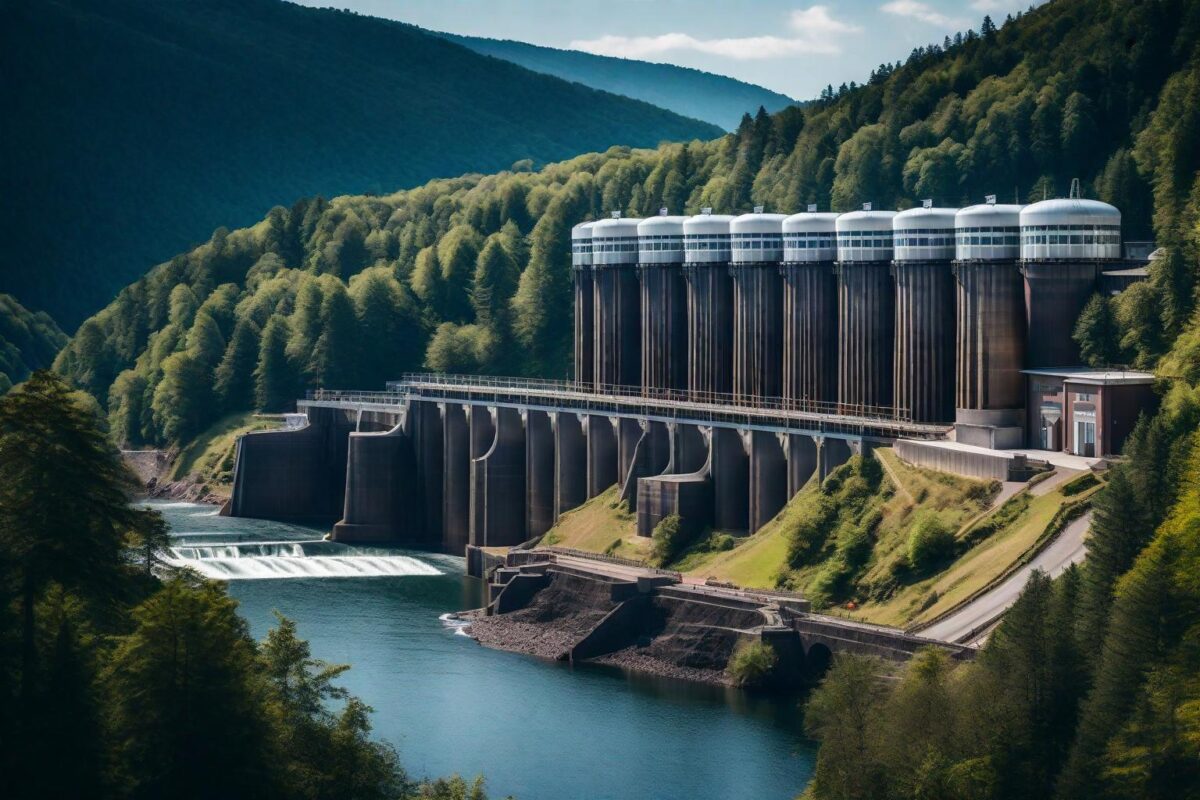
Artificial Intelligence (AI) technologies have revolutionized the energy sector by enhancing power station maintenance, improving operational efficiency, and reducing costs. AI-driven solutions have been developed to solve complex problems in the energy sector, making it easier to leverage AI in power station management.
One of the major applications of AI in the energy sector is power station maintenance. AI-driven solutions can monitor equipment performance and predict future maintenance needs, reducing downtime and improving reliability. These solutions leverage machine learning algorithms and predictive analytics to identify potential equipment failures, enabling proactive maintenance.
Another primary application of AI in the energy sector is energy optimization. AI-driven solutions can optimize energy consumption, load forecasting, and demand response. These solutions leverage historical data and real-time information to predict future energy demand, enabling power stations to adjust their operations accordingly.

AI technologies have also been used for asset management. By leveraging AI, power stations can identify potential issues and optimize asset utilization, improving efficiency and reducing costs. Additionally, AI can assist with grid stability by predicting demand and supply patterns, enabling power stations to adjust their operations according to the grid’s needs.
However, leveraging AI technologies in the energy sector comes with its challenges. Proper data training and quality are essential for accurate AI predictions, and cybersecurity remains a top priority in the industry. Therefore, it is necessary to establish a comprehensive AI strategy that considers these challenges and factors in workforce readiness and the needs of the industry.
Leveraging AI in power station management has transformed the energy sector, and there is much potential for future growth. Emerging trends and technologies will likely continue to shape the industry as it further integrates AI technologies to improve operational efficiency and reliability.
AI-Based Energy Management in Power Plants
With the increasing demand for sustainable energy, power plant operators are turning to artificial intelligence to optimize energy consumption and improve efficiency. AI technologies in the energy sector have the potential to transform power station operations, particularly in the area of energy management.
AI-based energy management in power plants involves using machine learning algorithms to analyze energy consumption patterns and optimize energy usage. By leveraging real-time data, AI algorithms can identify energy inefficiencies and provide actionable insights to improve energy efficiency.
Load forecasting is another critical area where AI can be applied to optimize energy consumption. By analyzing historical data and current trends, AI algorithms can predict future energy demand more accurately, allowing power plant operators to adjust their operations accordingly. This can lead to significant cost savings and improved grid stability.

Moreover, AI technologies can also support demand response programs, which allow power plant operators to adjust energy production in response to changes in demand. This can help reduce the risk of blackouts and ensure a reliable power supply.
Overall, AI-based energy management in power plants can improve power stations’ energy efficiency and lower operating costs while reducing environmental impact. The integration of AI technologies in the energy sector is expected to increase in the coming years as more power plant operators recognize the potential benefits of adopting these solutions.
Enhancing Power Station Operations with AI
AI-driven solutions can potentially revolutionize power generation by enhancing power station operations. Power stations can optimize their performance, reduce downtime, and increase reliability by leveraging AI.
One specific application of AI in power station management is predictive maintenance. By analyzing data from equipment sensors, AI algorithms can detect patterns indicating potential equipment failures before they occur. This allows for proactive maintenance, reducing unplanned downtime and maintenance costs.
| Asset Management | Grid Stability |
|---|---|
| Another area where AI can enhance power station operations is asset management. AI algorithms can analyze equipment usage and performance data to optimize equipment lifespan and reduce maintenance costs. | AI can also improve grid stability by analyzing real-time data on power demand and adjusting power generation accordingly. This can prevent blackouts and other disruptions to power supply. |
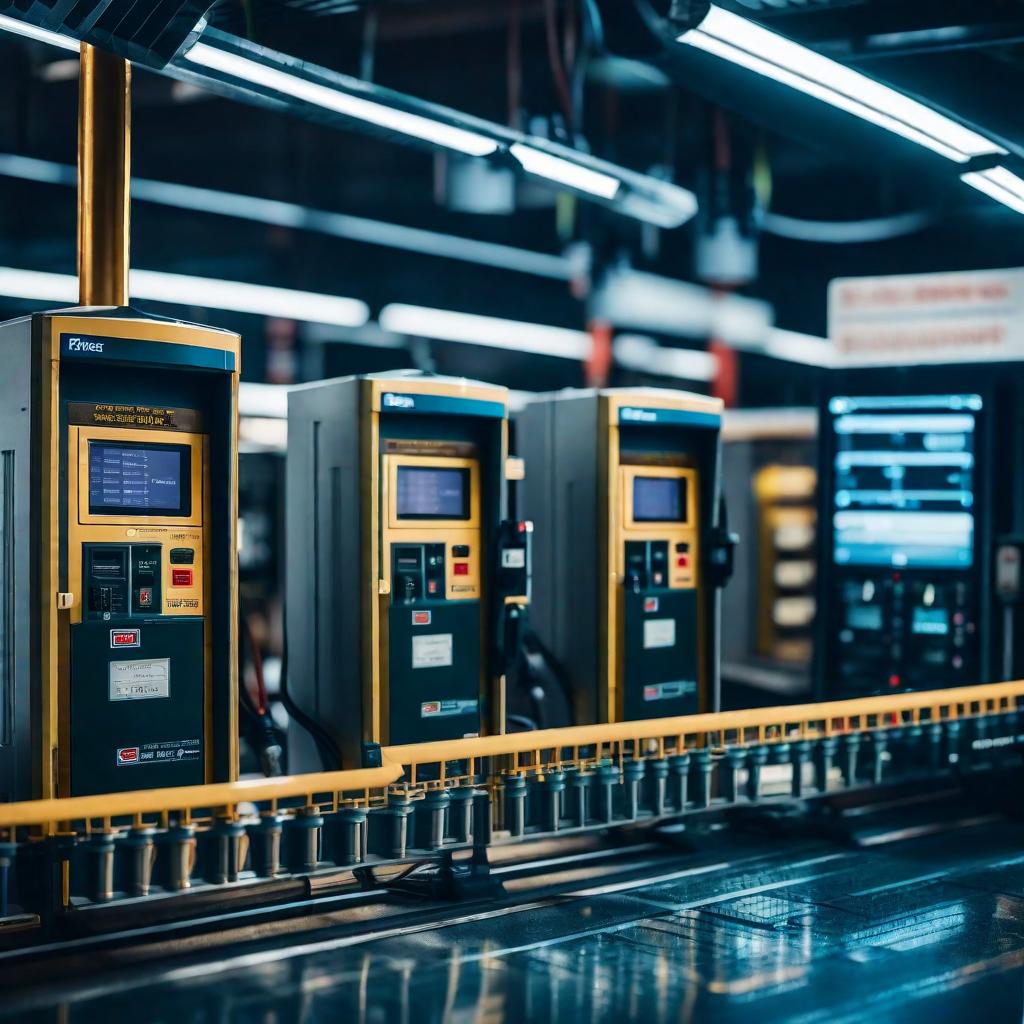
Moreover, AI can optimize energy consumption by forecasting energy demand and managing energy supply accordingly. By predicting energy demand in advance, power stations can avoid shortages and surpluses of energy, leading to more efficient and cost-effective energy production.
Overall, AI-driven solutions have the potential to improve power station operations significantly. Power stations can enhance performance, reduce costs, and effectively manage energy production by implementing AI applications in predictive maintenance, asset management, and grid stability.
AI in Power Station Management: Challenges and Considerations
While the potential benefits of AI in power station management are significant, several challenges and considerations must be addressed. One of the main challenges is data quality, as AI algorithms rely heavily on accurate and relevant data. Power station operators must have effective data management systems, including data collection, processing, and storage.
Another challenge is cybersecurity, as integrating AI technologies creates new vulnerabilities in power station systems. Operators must implement robust cybersecurity measures to protect against cyber attacks and ensure the safety of critical infrastructure.
Workforce readiness is also essential, as adopting AI technologies requires skilled personnel who can design, implement, and maintain these systems. This requires investment in staff training programs and the development of new skill sets.
Finally, developing a comprehensive AI strategy is crucial for successful adoption. Operators must carefully evaluate AI technologies’ potential benefits and risks and develop a roadmap for implementation that aligns with business objectives.

Despite these challenges, the role of AI in power station management is expected to continue to grow. By addressing these considerations and developing effective strategies for adoption, power station operators can leverage AI technologies to enhance operational efficiency, reduce costs, and improve reliability.
The Future of AI in Power Station Management
The future of power station management will see increased integration of artificial intelligence (AI) technologies. The energy sector has already witnessed the benefits of using AI in power station management, and the trend is set to continue.
One of the key areas where AI can bring significant benefits is predictive maintenance. By analyzing data from sensors and other sources, AI algorithms can predict equipment failures and identify potential issues before they occur. This can reduce downtime, lower maintenance costs, and increase reliability.
Another area where AI can play a critical role is in load forecasting and demand response. By analyzing historical data and using real-time analytics, AI can help power stations optimize energy consumption and respond to changes in demand more efficiently. This can lead to reduced energy costs and improved grid stability.
Emerging technologies like machine learning, deep learning, and natural language processing are also poised to revolutionize power station management. These technologies can help improve decision-making, optimize asset management, and enhance operational efficiency.
The Role of AI in the Energy Transition
The energy transition presents new challenges and opportunities for power station management. As renewable energy sources become more prevalent, power stations must become more flexible and adaptable. AI can play a vital role in this transition by helping power stations integrate renewable energy sources, optimize power consumption, and reduce their carbon footprint.
As AI technologies evolve, power station management and the energy sector will become more automated, efficient, and sustainable. With the right strategies and investments, power stations can leverage AI to improve operations and stay ahead of the competition.
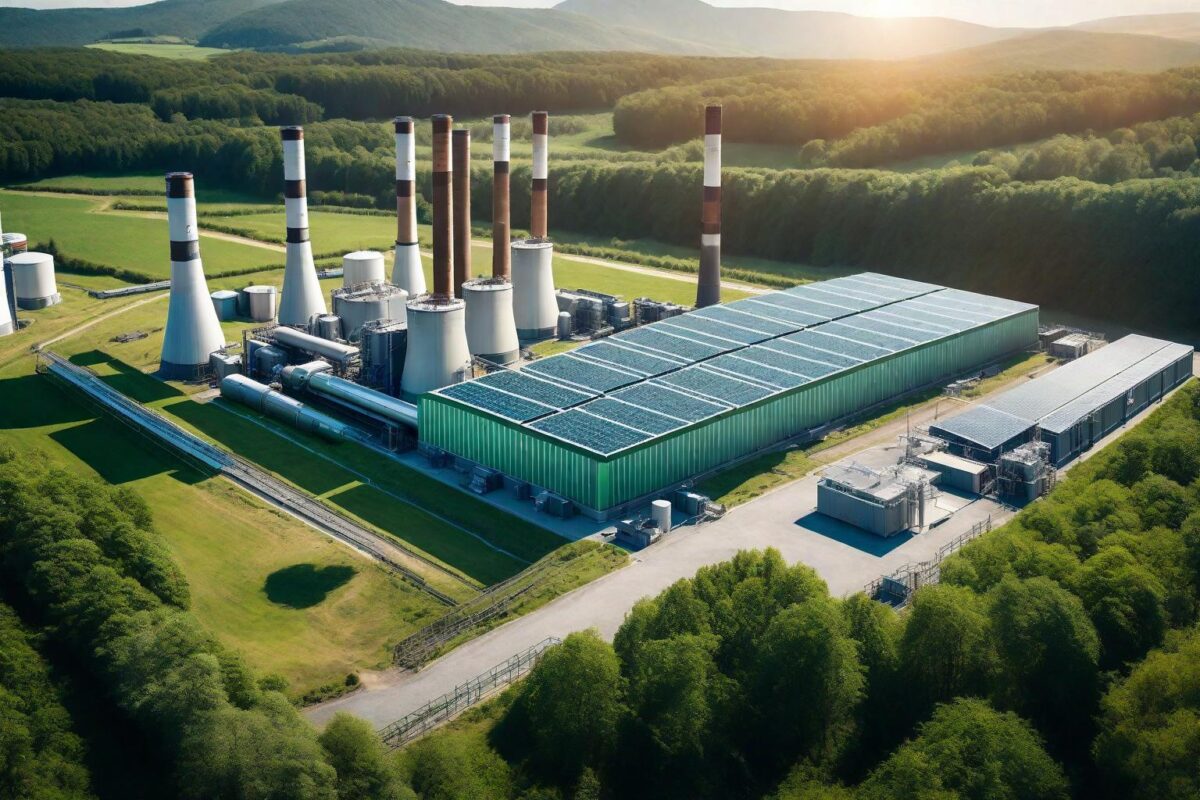
“The increasing adoption of AI technologies in power station management is expected to drive significant improvements in operational efficiency, reliability, and sustainability.”
Case Studies: Successful AI Implementations in Power Stations
As AI gains traction in the energy sector, power stations increasingly use AI applications to optimize operations, reduce costs, and enhance reliability. Here are some examples of successful AI implementations in power stations:
1. General Electric

General Electric uses AI for predictive maintenance in its gas turbines at the Bouchain power station in France. The AI system monitors the turbines and predicts necessary maintenance, reducing downtime and maintenance costs. This has resulted in a 20% reduction in maintenance costs and a 0.5% increase in energy efficiency.
2. Tepco
Tepco, a Japanese power company, has implemented AI for energy demand and load forecasting. The AI system analyzes historical data and weather patterns to predict energy demand, helping the company to optimize its energy supply. This has resulted in a 1-3% reduction in energy costs and a 5-15% reduction in carbon dioxide emissions.
3. Eskom
Eskom, a South African power company, uses AI for asset management and optimization. The AI system monitors and analyzes data from critical equipment to predict failures and schedule maintenance, reducing downtime and repair costs. This has resulted in a 10% reduction in maintenance costs and a 5% increase in overall plant performance.
These examples demonstrate the potential benefits of leveraging AI in power station maintenance. Power stations can meet the increasing demand for cleaner and more efficient energy by optimizing operations, reducing costs, and enhancing reliability.
Overcoming Barriers: Adoption Strategies for Power Station AI
Despite the numerous benefits of AI in power station management, the technology’s adoption can face several barriers. Power station managers and executives must carefully consider these factors and develop a comprehensive strategy to ensure successful implementation. Here are some adoption strategies for leveraging AI applications in power stations and addressing the role of AI in power station management:
- Collaboration: Collaboration is critical to AI adoption in power stations. Building partnerships with external AI vendors and consultants who can provide expertise and support in implementing AI solutions is essential. Collaboration with industry peers and stakeholders can also help overcome common barriers to AI adoption, such as data privacy concerns and regulatory compliance.
- Education: Power station managers and executives must acquire an in-depth understanding of AI technologies and the role of AI in power station management. They should attend workshops, conferences, and training programs to develop this knowledge and stay up-to-date with the latest advancements in AI technologies.
- Investment in AI infrastructure: The proper AI infrastructure is crucial for successful implementation. This includes hardware, software, and cloud-based solutions that can handle large volumes of data and provide real-time insights. Power station managers may consider partnering with AI vendors or consultants to identify and implement the right AI infrastructure solutions.
- Success factors: Adopting AI in power station management requires a successful implementation strategy. Power station managers should consider success factors, such as setting clear goals, building a solid business case, identifying relevant KPIs, measuring ROI, and ensuring workforce readiness.

By following these strategies, power station managers can address the role of AI in power station management and leverage AI applications in power stations to improve operational efficiency, reliability, and cost-effectiveness.
Conclusion
In conclusion, the use of artificial intelligence in power station management has the potential to revolutionize the way energy is generated and distributed. Through optimizing power station operations, AI-driven solutions can improve efficiency, reduce downtime, and enhance reliability.
The energy sector has already embraced AI technologies like power plant optimization, energy management, and predictive maintenance. However, the adoption of AI in power station management faces several challenges, including data quality, cybersecurity, and workforce readiness.
Collaboration, education, and investment in AI infrastructure are crucial to overcome these barriers. Success factors for driving AI adoption in the power generation industry include developing a comprehensive AI strategy and leveraging case studies of successful AI implementations in power stations.
Looking to the future, emerging trends and technologies are expected further to enhance the role of AI in power station management. With continued investment and collaboration, the benefits of leveraging AI in power station maintenance and other areas of power station management will only continue to grow.
Overall, the transformative role of AI in the energy sector is undeniable, and its potential for improving operational efficiency and reliability is vast.
FAQ
Q: What is artificial intelligence in power station management?
A: Artificial intelligence in power station management refers to the use of advanced technologies and algorithms to optimize the operations of power stations. It involves applying AI techniques to enhance efficiency, reduce downtime, and improve overall reliability in power generation.
Q: What are the benefits of using AI in power station optimization?
A: AI technologies offer several benefits in power station optimization. They can improve operational efficiency, reduce downtime, and enhance reliability. AI also enables predictive maintenance, asset management, and load forecasting, leading to cost savings and improved performance.
Q: How does AI technology contribute to power station maintenance?
A: AI technology plays a crucial role in power station maintenance. It can analyze large amounts of data to identify equipment failures and optimize maintenance strategies. By leveraging AI-driven solutions, power stations can prevent breakdowns, reduce maintenance costs, and enhance overall equipment reliability.
Q: How can AI be used for energy management in power plants?
A: AI is instrumental in energy management in power plants. It can optimize energy consumption, enable load forecasting, and facilitate demand response. By harnessing AI technologies, power plants can improve energy efficiency, reduce costs, and contribute to sustainable power generation.
Q: What are the specific applications of AI in power station operations?
A: AI has various applications in power station operations. It can be used for predictive maintenance to anticipate and prevent equipment failures. AI also aids in asset management and grid stability, optimizing overall operational efficiency in power generation.
Q: What are the challenges associated with implementing AI in power station management?
A: Implementing AI in power station management involves challenges such as ensuring data quality, addressing cybersecurity concerns, and preparing the workforce for AI technologies. Developing a comprehensive AI strategy and investing in the necessary infrastructure to overcome these challenges is crucial.
Q: What does the future hold for AI in power station management?
A: The future of AI in power station management looks promising. Emerging trends and technologies are expected further to enhance AI’s role in the energy sector. Continued advancements in AI can lead to improved operational efficiency, increased reliability, and enhanced sustainability in power generation.
Q: Can you provide examples of successful AI implementations in power stations?
A: Several successful AI implementations have been observed in power stations. These case studies showcase how AI technology has improved operational efficiency, reduced costs, and enhanced reliability. They provide tangible evidence of the benefits of leveraging AI in power station maintenance.
Q: What are the strategies for overcoming barriers to adopting AI in power station management?
A: Overcoming barriers to adopting AI in power station management requires collaboration, education, and investment in AI infrastructure. It is essential to foster partnerships, increase awareness, and provide the necessary resources for successful AI adoption in the power generation industry.
Q: What is the role of AI in power station management?
A: AI plays a transformative role in power station management by optimizing operations, enhancing efficiency, and improving reliability. It has the potential to revolutionize the energy sector and contribute to sustainable power generation, benefiting both power stations and consumers.
