Introduction
Definition of distractions
Distractions are anything that diverts our attention away from the task at hand. They can come in various forms, such as external stimuli like noise or visual clutter and internal thoughts or emotions. In today’s fast-paced and technology-driven world, distractions have become increasingly prevalent and can significantly impact our ability to stay focused and productive. Recognizing and understanding the different types is essential to managing distractions and effectively concentrating on important tasks.
Importance of staying focused
Staying focused is crucial for achieving success in any endeavor. It allows us to concentrate our energy and attention on the task at hand, enabling us to work efficiently and effectively. When we are focused, we are less likely to be swayed by distractions and more likely to make progress towards our goals.
Additionally, staying focused helps improve our decision-making skills and enhances our problem-solving ability. We can overcome challenges and achieve the desired outcomes by prioritizing and maintaining our focus. Therefore, it is essential to recognize the importance of staying focused and develop strategies to minimize distractions and maximize productivity.

Challenges in managing distractions
One of the biggest challenges in managing distractions is the constant influx of notifications and alerts from our devices. These interruptions can quickly derail our focus and productivity, whether it’s a text message, email, or social media notification. Additionally, the open availability of the internet provides endless opportunities for distraction, with tempting websites and apps just a click away.
Another challenge is the prevalence of multitasking, where we try to juggle multiple tasks simultaneously. This can lead to divided attention and decreased effectiveness in completing tasks. Lastly, our physical environment can also contribute to distractions, such as noisy surroundings or cluttered workspaces. Overcoming these challenges requires a combination of self-discipline, time management strategies, and a conducive work environment.
Identifying Common Distractions
Digital distractions
Digital distractions have become increasingly prevalent in today’s technology-driven world. Staying focused on the task can be challenging with constant access to smartphones, social media, and other digital platforms. These distractions can range from notifications and alerts to the temptation of browsing the internet or checking emails.
However, by implementing strategies such as setting boundaries, using productivity apps, and practicing mindfulness, individuals can effectively manage digital distractions and improve their ability to stay focused and productive.
Environmental distractions
Environmental distractions can significantly impact our ability to stay focused and productive. These distractions can include noise from conversations, phone calls, background music, and visual distractions such as cluttered workspaces or constant movement around us.
To manage environmental distractions, it is essential to create a quiet and organized workspace, minimize background noise, and establish boundaries with colleagues or family members to reduce interruptions. We can enhance our focus and productivity by creating a conducive environment for concentration.
Internal distractions
Internal distractions are the thoughts, emotions, and urges that arise within us and can hinder our ability to stay focused. These distractions can include worrying about personal issues, daydreaming, or feeling anxious or overwhelmed. Recognizing and addressing these internal distractions is essential to maintain productivity and concentration.
One effective strategy is practicing mindfulness, which involves bringing our attention to the present moment and observing our thoughts and emotions without judgment. Additionally, setting clear goals and prioritizing tasks can help minimize internal distractions and keep us on track. Understanding and managing our internal distractions can improve our ability to stay focused and accomplish our goals.
Creating a Distraction-Free Environment
Organizing your workspace
Organizing your workspace is essential for staying focused and minimizing distractions. A cluttered and messy workspace can easily lead to a scattered mind and decreased productivity. Keeping your desk clean and tidy creates a conducive environment for concentration and efficiency. Consider implementing a system for organizing documents, supplies, and other essentials, such as using labeled folders or storage bins.
Additionally, arranging your workspace to promote good ergonomics can contribute to your overall focus and well-being. Invest in a comfortable chair, position your computer monitor at eye level, and ensure that your desk is at an appropriate height. Organizing your workspace will help you stay on track and enhance your ability to concentrate and accomplish tasks effectively.
Minimizing noise
Minimizing noise is essential for maintaining focus and productivity. Distractions from external sources, such as loud conversations, phone calls, or background music, can disrupt concentration and hinder progress. To minimize noise, it is recommended to find a quiet and secluded workspace, use noise-canceling headphones, or establish clear boundaries with colleagues and family members.
Additionally, installing soundproofing measures like carpets or curtains can help reduce noise levels. Individuals can create an environment that fosters concentration and enhances productivity by taking proactive steps to minimize noise.
Setting boundaries
Setting boundaries is crucial for managing distractions and staying focused. By clearly defining what is acceptable and what is not, individuals can create a conducive environment for concentration. This can include setting limits on phone usage, establishing designated work areas, and communicating expectations with colleagues and family members.
When boundaries are in place, it becomes easier to prioritize tasks, avoid unnecessary interruptions, and maintain a productive mindset. Setting boundaries empowers individuals to control their time and attention, increasing productivity and overall success.
Developing Effective Time Management Strategies
Prioritizing tasks
Prioritizing tasks is essential for managing distractions and staying focused. When we have multiple tasks, it can be overwhelming and easy to get sidetracked. By prioritizing tasks, we can identify the most important and urgent ones and allocate our time and energy accordingly. This helps us focus on what truly matters and ensures we progress towards our goals.
Prioritizing tasks also allows us to effectively manage distractions by setting clear priorities and boundaries. By knowing what tasks must be done first, we can avoid getting distracted by less essential or non-essential tasks. Overall, prioritizing tasks is crucial for managing distractions, staying focused, and achieving productivity.
Using time-blocking techniques
Time-blocking techniques are a highly effective strategy for managing distractions and staying focused. Individuals can prioritize their work and minimize potential distractions by allocating specific blocks of time for different tasks and activities. This method allows for better time management and helps individuals stay on track with their goals.
Additionally, time-blocking techniques can help individuals develop a sense of discipline and structure as they learn to adhere to their designated time slots. Overall, incorporating time-blocking techniques into one’s daily routine can significantly enhance productivity and reduce the impact of distractions on work performance.
Avoiding multitasking
Avoiding multitasking is essential for staying focused and managing distractions. When we try to do multiple tasks simultaneously, our attention becomes divided, leading to decreased productivity and increased errors. Instead, it is important to prioritize tasks and focus on one thing at a time. By giving our full attention to each task, we can complete it more efficiently and effectively.
Additionally, setting boundaries and minimizing distractions, such as turning off notifications or finding a quiet workspace, can help us stay on track and avoid the temptation to multitask. We can improve our concentration, productivity, and overall work performance by avoiding multitasking.
Practicing Mindfulness and Meditation
Benefits of mindfulness
Mindfulness has numerous benefits when it comes to managing distractions and staying focused. By practicing mindfulness, individuals can develop greater self-awareness, allowing them to recognize when they are becoming distracted and quickly redirect their attention back to the task at hand.
Additionally, mindfulness helps to reduce stress and anxiety, which are common distractions that can hinder productivity. By incorporating mindfulness techniques into their daily routine, individuals can enhance their ability to stay focused and achieve their goals more efficiently.
Techniques for practicing mindfulness
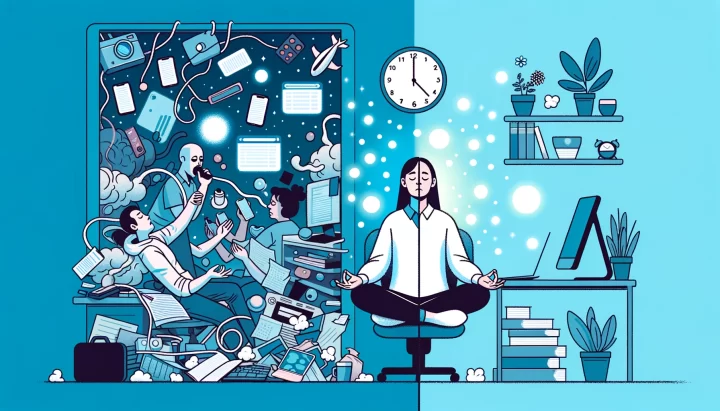
Practicing mindfulness is an effective technique for managing distractions and staying focused. Mindfulness involves being fully present and aware of the present moment without judgment. By practicing mindfulness, individuals can train their minds to stay focused on the task and avoid getting caught up in distractions.
This can significantly enhance productivity and concentration. Some techniques for practicing mindfulness include deep breathing exercises, meditation, and body scans. These techniques help individuals cultivate a sense of calm and clarity, allowing them to manage distractions better and maintain a state of focused attention.
Incorporating meditation into your routine
Incorporating meditation into your routine can be a powerful tool for managing distractions and improving focus. By setting aside dedicated time each day to practice meditation, you can cultivate a sense of calm and clarity that can help you navigate the challenges of a busy day. Meditation allows you to train your mind to stay present and focused, enhancing your ability to concentrate on tasks and avoid getting easily sidetracked.
Additionally, incorporating meditation into your routine can help reduce stress and anxiety, allowing you to approach your work with a clear and calm mind. Whether it’s a short meditation session in the morning or a more extended practice in the evening, finding a time that works for you and committing to regular meditation can significantly contribute to your overall productivity and well-being.
Utilizing Technology to Stay Focused
Productivity apps and tools
Productivity apps and tools can be incredibly helpful in managing distractions and staying focused. Various apps and tools can assist in organizing tasks, setting reminders, and blocking distractions. Some popular productivity apps include Todoist, Trello, and Evernote, which allow users to create to-do lists, track progress, and collaborate with others. Tools like Pomodoro timers can also help break work into manageable intervals and improve productivity. By utilizing these apps and tools, individuals can enhance their ability to stay on track and minimize distractions, leading to increased productivity and efficiency.
Website blockers
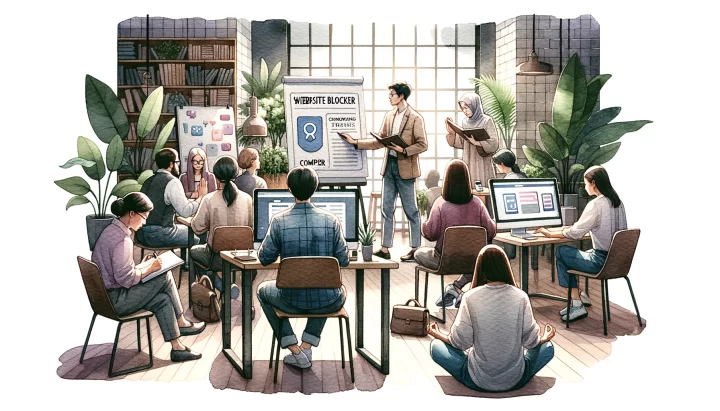
Website blockers are a valuable tool for managing distractions and staying focused. These software or browser extensions allow users to block access to certain websites or limit their usage during specific times. By setting up website blockers, individuals can create a distraction-free environment and reduce the temptation to visit time-wasting websites. This can be particularly helpful for those struggling with self-control or easily distracted while working or studying. Additionally, website blockers can help individuals prioritize their tasks and allocate their time more efficiently, leading to increased productivity and better focus.
Digital detox strategies
In today’s digital age, staying focused and avoiding distractions can be challenging. However, digital detox strategies can help us regain control over our attention and increase productivity. One effective strategy is to set specific times for checking emails and social media, allowing for designated periods of uninterrupted work.
Additionally, turning off notifications on our devices can minimize distractions and prevent constant interruptions. Creating a dedicated workspace free from digital devices can also promote concentration and limit the temptation to engage in non-work-related activities. By incorporating these digital detox strategies, individuals can better manage distractions and maintain their focus on essential tasks.
CONCLUSION
Managing distractions and staying focused can often seem daunting in the hustle and bustle of our modern, tech-driven world. However, recognizing distractions and developing strategies to counter them makes it possible to maintain focus and enhance productivity.
Modalities become significantly more manageable by creating a conducive work environment, prioritizing tasks, and effectively employing time management techniques. Furthermore, practicing mindfulness and incorporating meditation into daily routines can help improve concentration and bring about mental peace and serenity.
Remember, each individual may have different triggers and responses to distractions, so it’s essential to discover what works best for you. Productivity isn’t about perpetually running on the hamster wheel; it’s about cultivating the proper habits and environment to work smarter, not harder. With these tips, one can form a game plan to manage distractions effectively and make significant strides in staying focused and boosting productivity.
