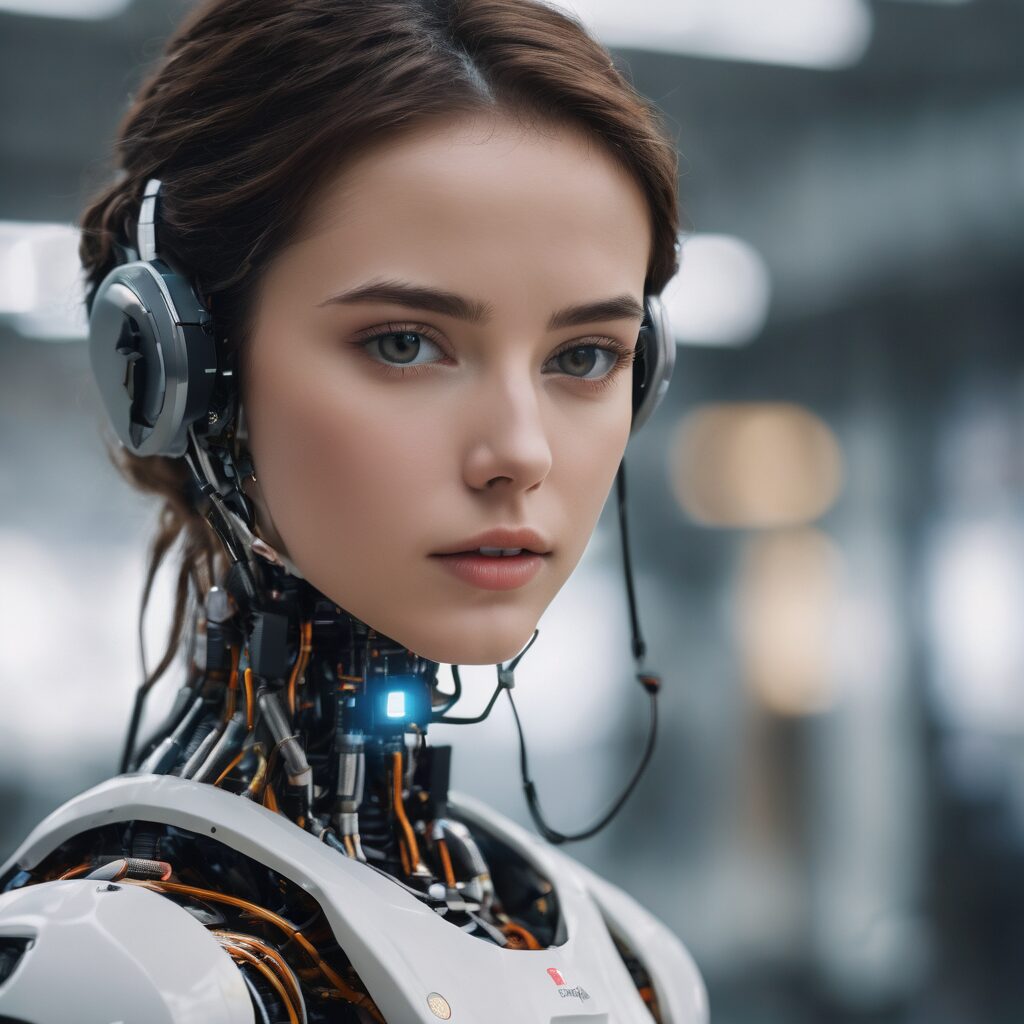
AI Advances at an Exponential Rate, which we all need to be aware of. The sophistication of computer intelligence is growing dramatically with each passing year, and the number of smart humans developing AI is also increasing rapidly. Attendance at AI conferences doubles yearly, and the interest in the field is evident.
However, with this rapid advancement comes potential risks and concerns. The democratization of AI technology is essential to ensure that no single entity or group has control over advanced AI. It is crucial to prevent any unstable situations that could arise if powerful AI falls into the wrong hands. As we move toward a future with unprecedented capabilities, it is vital to consider how AI’s potential impact can be regulated to protect the public.
We already live in a world where we are connected and can access vast amounts of information through our devices. This technological expansion has given every individual a level of power and capability that surpasses what was once thought possible. The singularity, where AI surpasses human intelligence, is a concept that remains uncertain.
However, we must consider the implications even in a scenario where AI becomes much smarter than humans. What will be our role and our purpose? It is essential to have government agencies and regulators to ensure public safety and navigate the potential dangers of advanced AI. With AI’s exponential growth, it is crucial for us, as a society, to stay informed and take proactive steps to shape its development responsibly.
Definition of AI and Understanding Its Exponential Growth
Historical evolution of AI
Artificial Intelligence (AI) refers to developing machines and computer systems that can perform tasks requiring human intelligence. The concept of AI dates back to ancient times, with early examples found in Greek mythology.
However, in the mid-20th century, AI gained significant momentum with the advent of digital computing and the formulation of the field as a scientific discipline. Over the years, AI has evolved from simple rule-based systems to complex algorithms powered by machine learning, deep learning, natural language processing, and other advanced techniques.
Understanding the concept of exponential growth in AI
Exponential growth in AI refers to the rapid acceleration of AI capabilities over a short period. This can be attributed to various factors, including advancements in computing power, the availability of vast amounts of data for training AI models, and the development of sophisticated algorithms. As AI technologies improve, their potential applications and impact on various industries expand exponentially.
Factors driving the exponential growth of AI
Several factors contribute to the exponential growth of AI. First and foremost is the increasing availability of big data, which allows AI systems to learn from massive amounts of information and make more accurate predictions and decisions. Additionally, advancements in hardware, such as GPUs and specialized AI chips, have significantly boosted the processing power required for training complex AI models.
Furthermore, the growing interdisciplinary collaboration between AI research, mathematics, and other scientific disciplines has facilitated AI algorithms and methodologies breakthroughs.
Impact of AI’s Exponential Growth on Various Industries
AI in healthcare
AI has revolutionized the healthcare industry by enabling faster and more accurate diagnosis, personalized treatment plans, and drug discovery. Machine learning algorithms can analyze medical records, images, and genomic data to identify patterns and make predictions, ultimately improving patient outcomes and reducing healthcare costs.
AI advances in transportation
In the transportation sector, AI drives innovations in autonomous vehicles, predictive maintenance, and logistics optimization. Self-driving cars and trucks have the potential to enhance road safety, reduce traffic congestion, and revolutionize the way goods are transported. Additionally, AI-powered algorithms can optimize routes, schedules, and fuel consumption, leading to more efficient transportation networks.
AI advances in education
AI is transforming education by personalizing learning experiences, automating administrative tasks, and improving student outcomes. Intelligent tutoring systems can adapt to individual student needs, providing tailored instruction and feedback. AI-powered tools can also automate grading, freeing teachers’ time for more meaningful student interactions.
AI advances in entertainment
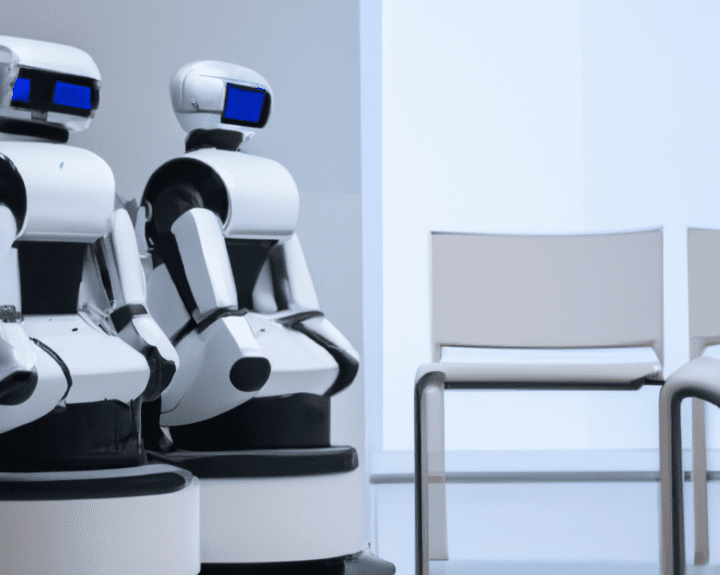
AI has significantly contributed to the entertainment industry, improving movie visual effects and enabling personalized content recommendations. AI algorithms can analyze user preferences and behavior to suggest movies, music, and other forms of entertainment that align with individual preferences. Additionally, AI-powered virtual assistants and chatbots enhance user engagement and interaction.
The Role of AI Conferences and Academic Pursuits in AI’s Growth
Prominence of AI conferences
AI conferences are platforms for researchers, industry professionals, and enthusiasts to share knowledge, present cutting-edge research, and collaborate on AI advancements. Conferences like NeurIPS, AAAI, and ICLR have witnessed exponential growth in attendance in recent years, reflecting the increasing interest and investment in AI research.
Increasing interest in AI among students
The field of AI has attracted a growing number of students due to its potential to shape the future and solve complex problems. Universities worldwide are witnessing a surge in enrollments in AI-related programs and courses. This interest among students fosters a fresh influx of talent and ideas, contributing to the exponential growth of AI.
Role of academic institutions in AI’s advancement
Academic institutions play a crucial role in advancing AI through research, collaboration, and the development of AI-focused programs. Many institutions have established dedicated AI research labs and centers, fostering interdisciplinary collaborations and pushing the boundaries of AI technology. Moreover, academic institutions provide a platform for training the next generation of AI experts, equipping them with the skills and knowledge needed to contribute to AI’s exponential growth.
The Democratization of AI Technology
Understanding the democratization of AI
The democratization of AI refers to making AI technology accessible to a wide range of users beyond a select few companies or individuals. It aims to empower individuals, businesses, and communities to leverage AI tools and algorithms, irrespective of their technical expertise or resources.
Why the democratization of AI is important
Democratization of AI has numerous benefits. It fosters innovation by allowing diverse users to contribute ideas and develop AI applications that solve real-world problems. It also levels the playing field, enabling small businesses and startups to compete with established players by utilizing AI capabilities. Furthermore, democratization helps address concerns around AI’s concentration of power and ensures AI technologies’ ethical and responsible use.
Challenges and solutions in democratizing AI
Democratizing AI faces challenges, such as the lack of access to data, limited computing resources, and the need for user-friendly tools and interfaces. To overcome these challenges, efforts are being made to create AI platforms with pre-trained models and APIs that simplify AI development. Open-source frameworks, like TensorFlow and PyTorch, facilitate collaboration and knowledge sharing. Additionally, initiatives promoting data sharing, privacy measures, and regulatory frameworks aim to balance accessibility and responsible use of AI technology.

Potential Risks of AI Exponential Growth
Unregulated AI advancements
As AI continues to grow exponentially, there is a concern that the pace of development may outstrip regulatory measures. Lack of proper governance and oversight could lead to unintended consequences, unethical use of AI, or the creation of AI applications that pose risks to people’s safety and privacy. Establishing regulatory frameworks that keep pace with AI advancements and address potential risks is crucial.
Risk of AI misuse
The exponential growth of AI also raises concerns about its potential misuse. AI technology could be exploited for malicious purposes, such as cyberattacks, misinformation campaigns, or surveillance. Implementing robust cybersecurity measures, ethical guidelines, and responsible AI practices is essential to mitigate these risks and ensure AI is used for the greater good.
AI’s potential for creating wealth disparity
The rapid advancement of AI technology has the potential to exacerbate wealth disparities. If a few dominant companies or individuals primarily control AI, it could widen the gap between the rich and the poor. To prevent such disparities, efforts should be made to promote equal access to AI technologies, foster collaboration, and ensure fair distribution of AI’s exponential growth benefits.
AI and Cybersecurity Concerns
Threat of AI technology being stolen
The exponential growth of AI raises concerns about the security of AI algorithms and models. There is a risk that AI technology could be stolen or compromised, leading to unauthorized access, data breaches, or the misuse of AI capabilities by malicious actors. Protecting AI technology through robust encryption, secure storage, and access control measures is crucial to safeguard against such threats.
Role of AI in Enhancing Cybersecurity

While AI poses security risks, it also has the potential to bolster cybersecurity defenses. AI-powered systems can detect and respond to cyber threats in real time, analyze vast amounts of data for anomaly detection, and enhance the efficiency of security operations. AI can help identify and mitigate vulnerabilities, predict potential attacks, and provide valuable insights for proactive cybersecurity measures.
Cybersecurity measures to protect AI technology
Organizations need to implement comprehensive cybersecurity measures to protect AI technology from cyber threats. This includes adopting secure development practices, regularly updating and patching AI systems, conducting security audits, and ensuring data integrity and privacy. Training and educating AI practitioners and users about cybersecurity best practices are crucial to prevent and mitigate potential risks.
AI as an Extension of Human Capabilities
AI and enhancement of human capabilities
AI technology extends human capabilities by automating mundane and repetitive tasks, freeing up time for more creative and complex problem-solving. It augments human intelligence by analyzing vast amounts of data, providing insights, and assisting in decision-making processes. By leveraging AI, humans can focus on tasks that require empathy, critical thinking, and emotional intelligence.
Understanding cyborg theory in the context of AI
Cyborg theory postulates that integrating technology into human life can enhance individual capabilities, blurring the line between biological and artificial systems. AI can be seen as a manifestation of this theory, as it enables individuals to access and process information at unprecedented speeds, communicate globally, and perform complex tasks beyond human capacity.
Impact of AI on human life
AI’s exponential growth has the potential to reshape human life in various ways. It can lead to advancements in healthcare, transforming diagnosis and treatment. It can revolutionize industries, automate mundane tasks, and create new job opportunities. Additionally, AI can enhance communication, bridge cultural gaps, and enable global collaboration. However, carefully considering ethical, societal, and privacy implications is essential to ensure AI’s integration aligns with human values and interests.
The Singularity Theory in AI
Understanding the Singularity theory
The Singularity theory suggests that there may be a point when AI surpasses human intelligence, leading to a rapid and unpredictable change in society. It raises questions about the potential consequences and implications of AI systems that possess superhuman capabilities and intelligence, surpassing human comprehension and control.
Probability and Implications of the Singularity
The exact probability and timeframe of the Singularity remain uncertain. However, its implications are significant. AI systems could outperform humans in virtually all domains, including science, creativity, and problem-solving. This could profoundly impact the job market, societal structures, and even the nature of human existence.
AI and superhuman intelligence

Superhuman intelligence in AI presents both promises and challenges. On one hand, it could bring about groundbreaking scientific discoveries, personalized medicine, and enhanced problem-solving. On the other hand, the risks associated with the misalignment of AI with human values, potential loss of control, and ethical considerations become paramount. Responsible development and careful examination of the implications of superhuman AI are crucial to harness its potential for the benefit of humanity.
AI’s Role in Creating a New Normal
Changing job landscape due to AI
The exponential growth of AI is transforming the job landscape across industries. While AI has the potential to automate repetitive and routine tasks, it also creates opportunities for new job roles. Some jobs may become obsolete, while others may require upskilling or reskilling to adapt to the changing technological landscape. The workforce must be prepared for these changes and equipped with the skills complementing AI technologies.
AI’s impact on human roles and responsibilities
As AI takes over certain tasks, it allows humans to focus on tasks that require creativity, critical thinking, emotional intelligence, and interpersonal skills. Human roles may shift towards more strategic, innovative, and empathetic endeavors. Collaboration between humans and AI systems becomes crucial to leverage the strengths and create a symbiotic relationship that maximizes productivity and well-being.
AI and the future of work
AI’s exponential growth is reshaping the nature of work itself. It creates opportunities for new industries, such as AI ethics, AI governance, and AI research and development. Collaboration between humans and AI becomes essential for augmenting productivity and solving complex problems. Developing a workforce that is adaptable, continuously learning, and capable of leveraging AI technologies is crucial to thriving in the future of work.
Conclusion
The exponential growth of AI holds immense promise and potential for transforming various industries and enhancing human capabilities. However, it also raises significant concerns and risks that must be addressed. Ensuring responsible development, ethics, and democratization of AI are crucial to harnessing its potential while mitigating potential harm. It is essential to balance innovation, regulation, and societal well-being as we navigate the path of AI’s exponential growth. By doing so, we can shape a future where AI and human intelligence work hand in hand, creating a new normal that benefits society.
