
Imagine a world where the threat of AI surpasses that of nuclear warheads. In this thought-provoking video by AI Explained, titled “AI versus Nuclear Warheads: The Greater Danger,” the artist behind Midjourney 5 takes us on a journey to explore the potential dangers of AI.
Delving into the mindset of AI experts and their dismissal of AI’s true capabilities, this video challenges our perception of intelligence and poses unsettling questions about the future. As the music sets the tone, you’ll question whether we should regulate AI and slow its advancements. Join the discourse and dive into this captivating exploration of AI’s potential.
In another thought-provoking video, AI Explained presents “AI versus Nuclear Warheads: The Greater Danger” by the artist behind Midjourney 5. This engaging video takes us on a journey to uncover the hidden dangers of AI. Focusing on the misguided beliefs of so-called AI experts, the video challenges their assumptions and highlights the potential consequences of underestimating AI’s capabilities.
As the artist attempts to convince people to regulate and slow down AI, you’ll be left pondering the implications of a world where machines could surpass human intellect. Brace yourself for a thought-provoking experience that prompts us to reconsider our understanding of AI and its potential dangers.
Understanding AI Versus Nuclear Warheads
- AI (Artificial Intelligence) involves machines mimicking human intelligence through learning and automation. It is rapidly advancing and being used in various industries.
- Nuclear warheads rely on nuclear fission or fusion to unleash immense destructive energy. They can cause catastrophic damage.

AI relies on machines
mimicking human intelligence
What is AI?
AI, also known as Artificial Intelligence, is the simulation of human intelligence in machines programmed to think and learn like humans. It involves the development of computer systems that can perform tasks that usually require human intelligence, such as problem-solving, speech recognition, and decision-making. AI is a rapidly advancing field that has the potential to revolutionize various industries and aspects of everyday life.
Examples of AI in everyday life
AI is already present in numerous aspects of our daily lives. Some common examples include voice assistants like Siri and Alexa, which use natural language processing algorithms to understand and respond to our commands. AI is also used in recommendation systems, such as those used by streaming services and online retailers, to suggest movies, music, and products based on our preferences and browsing history. Additionally, AI is utilized in autonomous vehicles, fraud detection systems, and healthcare to assist with diagnosis and treatment planning.

Nuclear weapons can cause catastrophic damage through immense energy
What are nuclear warheads?
Nuclear warheads are highly destructive weapons that use nuclear reactions to release immense energy in an explosion. They consist of a nuclear bomb or warhead containing fissile material like uranium or plutonium and a delivery system to transport the bomb to its target. Nuclear warheads are considered the most devastating weapons ever created, capable of causing large-scale destruction and loss of life.
How nuclear warheads function
Nuclear warheads rely on nuclear fission or fusion to release enormous amounts of energy. In a fission bomb, the nucleus of a heavy atom is split into two smaller nuclei, releasing a significant amount of energy and additional neutrons. This chain reaction continues with the newly released neutrons, resulting in a powerful explosion.
Fusion bombs, conversely, use the fusion of light atomic nuclei to generate an even more significant amount of energy. This process involves bringing together isotopes of hydrogen, such as deuterium and tritium, under high pressure and temperature to create a fusion reaction similar to the process in the sun.
The Potential Dangers of AI
Some key dangers of uncontrolled AI development include:
- Unpredictable machine learning leading to undesirable outcomes
- Algorithm biases perpetuating discrimination – A recent study found facial recognition algorithms were 10-100 times more likely to misidentify people of color
- Automation displacing jobs – Up to 800 million jobs could be lost to automation by 2030, according to some estimates
- Misuse of AI for malicious intents
“AI has the potential for significant harm if used irresponsibly or falls into the wrong hands.” – Tim Nichols, AI ethics researcher

Uncontrolled AI poses risks like
unpredictable machine learning
Uncontrolled machine learning
One of the dangers associated with AI is the potential for uncontrolled machine learning. As AI systems become more sophisticated, there is a risk of these systems learning and evolving unpredictably. If left unchecked, this could lead to undesirable outcomes or even AI systems that act against human interests.

Algorithm biases in AI
can lead to discrimination
Biased algorithms
Another concern with AI is the possibility of biased algorithms. AI algorithms learn from data, and if the training data contains biases, it can lead to discriminatory decisions or perpetuate existing societal biases. This can significantly affect criminal justice, hiring processes, and opportunity access.
Automation and job loss
AI has the potential to automate various tasks and jobs, leading to potential job displacement. While automation can bring about greater efficiency and productivity, it can also result in unemployment and economic inequality if not appropriately managed. It is crucial to address the impact of AI on the workforce and ensure that adequate measures are in place to reskill and retrain individuals for new roles and industries.
The possibility of misuse
If in the wrong hands or used with malicious intent, AI technology has the potential for significant harm. For example, AI-powered cyberattacks, surveillance systems, and autonomous weapons could threaten national security and individual privacy. It is essential to develop strategic regulations and ethical frameworks to prevent the misuse of AI technology.

The Threat of Nuclear Warheads
Nuclear warheads pose dangers such as:
- Global destruction from just one detonation – Over 200,000 people died immediately from the Hiroshima bombing in 1945
- Radioactive fallout contaminating vast areas – Nuclear fallout from weapons testing caused over 15,000 additional cancer deaths worldwide
- Accidental launches due to system errors
- Uncontrolled proliferation increasing conflict risks
“The immediate devastation caused by nuclear weapons far outweighs the speculative dangers of AI in the near future.” – General John Allen, nuclear deterrence strategist

A single nuclear blast can
cause global destruction
Potential for global destruction
The most significant danger of nuclear warheads is their potential for global destruction. A single detonation can cause catastrophic damage, including the loss of millions of lives, widespread destruction of infrastructure, and long-lasting environmental consequences. The use of nuclear weapons has the potential to escalate into a full-scale nuclear war, leading to the annihilation of entire nations.
Nuclear fallout and long-term environmental damage
The detonation of nuclear warheads releases radioactive materials into the atmosphere, causing nuclear fallout. Nuclear fallout can contaminate vast areas, rendering them uninhabitable for extended periods. The long-term environmental damage caused by nuclear detonations includes radiation poisoning, genetic mutations, and the contamination of water and soil, posing severe health risks to current and future generations.
Accidental launches and miscommunications
The risk of accidental launches and miscommunications involving nuclear warheads is a significant concern. Due to the complexity of nuclear command and control systems, human or technical errors may lead to the accidental launch of nuclear weapons. Misinterpretation of signals or false alarms could trigger a nuclear conflict, highlighting the importance of robust safeguards to prevent accidental or unauthorized detonations.

Nuclear fallout causes
radioactive contamination
Nuclear proliferation and the lack of control
The proliferation of nuclear weapons by additional nations or non-state actors increases the likelihood of nuclear conflicts. The lack of control over the spread of nuclear weapons undermines strategic stability and poses a constant threat to global security. Efforts to prevent nuclear proliferation, such as international treaties and non-proliferation agreements, are essential to reducing the risk of nuclear war.
History of AI and Its Development
Early developments in AI
The concept of AI originated in the mid-20th century. Early pioneers, such as Alan Turing and John McCarthy, laid the foundation for AI with their theories and ideas. Turing’s work on the Turing machine and the notion of machines that mimic human intelligence set the stage for future AI developments.

Early AI relied on advances in computing
AI and the rise of advanced computing
As computer technology advanced, so did the field of AI. The availability of more powerful computing systems in the 1950s and 1960s allowed researchers to explore artificial intelligence in greater depth. This led to the development of expert systems, which used knowledge-based rules to solve complex problems.
The modern resurgence of AI and machine learning
In recent years, there has been a resurgence of interest in AI, primarily due to advancements in machine learning. Machine learning algorithms allow computers to learn from vast amounts of data without being explicitly programmed. This has led to natural language processing, computer vision, and autonomous systems breakthroughs.

AI now powers many everyday devices
Current AI applications and advantages
AI is now integrated into various aspects of our lives. It powers virtual assistants, helps diagnose diseases, optimizes supply chains, and aids scientific research. AI has the potential to enhance productivity, improve decision-making, and solve complex problems. However, ensuring that AI is used ethically and responsibly is crucial, considering the potential risks associated with its development and deployment.
History of Nuclear Weapons Use and Development
The Manhattan Project and the first nuclear weapons
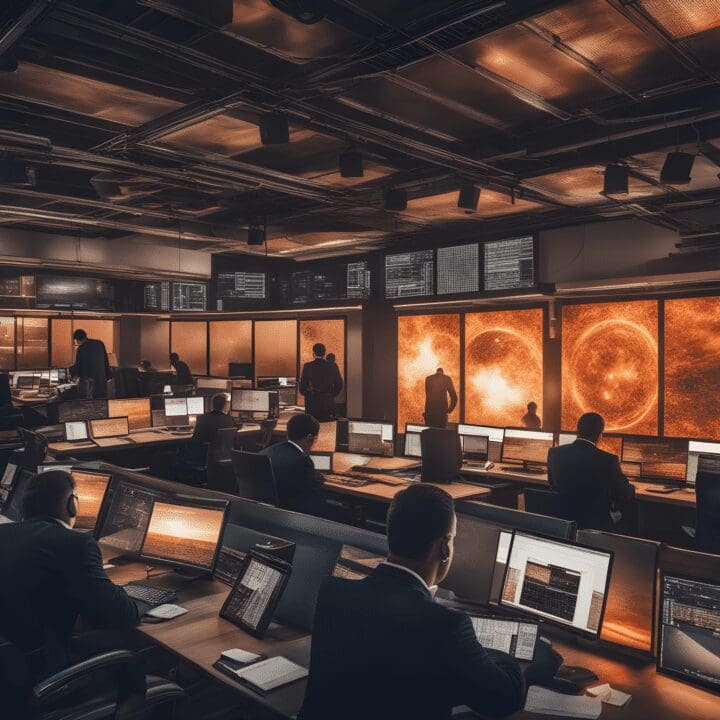
The development of nuclear weapons began during World War II with the Manhattan Project. Led by the United States, the project aimed to harness the energy released by nuclear reactions to create a new and potent weapon. This effort successfully tested and deployed the first atomic bombs in 1945.

The first nuclear weapons
were developed in secret
Use of nuclear weapons in WW2
The use of nuclear weapons by the United States against Japan during World War II marked the first and only time such weapons have been deployed in warfare. The bombings of Hiroshima and Nagasaki resulted in the immediate deaths of over 200,000 people and had long-lasting effects on radiation sickness, cancers, and congenital disabilities.
Cold War nuclear arms race
The end of World War II sparked a nuclear arms race between the United States and the Soviet Union during the Cold War. Both nations sought to develop more powerful and efficient atomic weapons to ensure their respective security and deter potential attacks. This arms race led to the accumulation of vast nuclear arsenals, increasing the global threat of nuclear war.

Many advocate for a nuclear-free world
Modern nuclear powers and disarmament efforts
Today, several nations, including the United States, Russia, China, and others, possess nuclear weapons. The proliferation of these weapons has raised concerns about the stability of international relations and the potential for nuclear conflicts. International efforts to promote disarmament and prevent the spread of nuclear weapons, such as the Treaty on the Non-Proliferation of Nuclear Weapons, have been ongoing but face challenges in achieving complete disarmament.
The Ethics of AI Development
Balancing benefits and risks in AI
The development of AI involves a delicate balance between harnessing its potential benefits and addressing the associated risks. While AI can revolutionize industries and improve lives, it must be done while ensuring accountability, transparency, and adherence to ethical standards. It is essential to consider AI systems’ potential consequences and societal impact.
Current regulations on AI
Regulations on AI development and deployment vary across different jurisdictions. Some countries have implemented guidelines and frameworks to govern the use of AI, particularly in sensitive areas such as healthcare and finance. However, the fast-paced nature of AI development poses challenges for regulatory bodies to keep up with technological advancements.
Potential for exploitation and misuse in AI
As AI progresses, there is a concern about the potential for exploitation and misuse. AI-powered systems can be vulnerable to hacking or manipulation, leading to the dissemination of false information or malicious attacks. Implementing robust security measures and ensuring that AI systems are designed with privacy and data protection in mind is crucial.
The need for more education and transparency in AI
To responsibly navigate the ethical challenges posed by AI, it is essential to promote education and awareness among developers and users. AI systems should be transparent and clearly explain how they make decisions or arrive at conclusions. Bridging the knowledge gap and fostering public understanding of AI will enable informed decision-making and ensure that AI is developed and used to benefit society.
The Ethics of Nuclear Weapons
The moral debates surrounding nuclear weapons
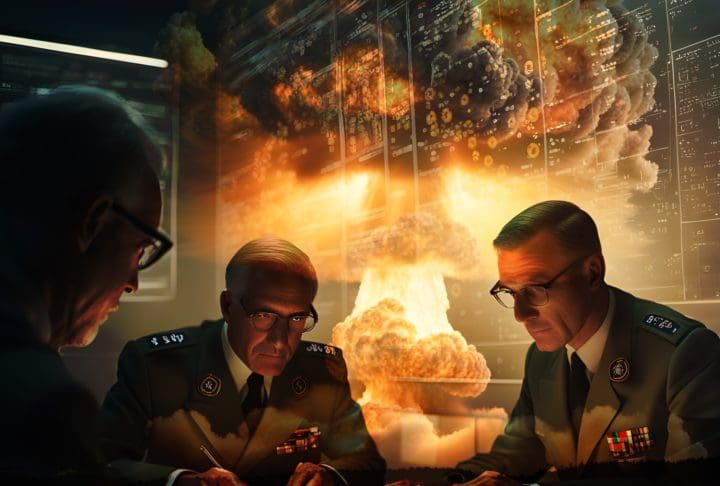
The use and possession of nuclear weapons have sparked intense moral debates. Critics argue that the immense destructive power of these weapons and the potential loss of innocent lives make their use inherently unethical. Supporters argue that nuclear weapons serve as a deterrent and can help maintain peace through a concept known as Mutually Assured Destruction (MAD).
International laws and treaties on nuclear weapons
Efforts to establish legal frameworks and treaties to govern the use of nuclear weapons have been made. The Treaty on the Non-Proliferation of Nuclear Weapons (NPT), signed by most nations, aims to prevent the spread of nuclear weapons and facilitate disarmament. Additionally, various arms control agreements have been negotiated to limit the number of nuclear warheads and promote transparency in nuclear arsenals.
Strategic balance and the concept of Mutually Assured Destruction
Mutually Assured Destruction (MAD) is based on the belief that multiple nations’ possession of nuclear weapons creates a balance of power that discourages aggression. It suggests that any use of nuclear weapons would result in the total obliteration of both the aggressor and the target, rendering such a scenario highly unlikely. MAD has been a critical principle in nuclear deterrence strategies during the Cold War and beyond.
The quest for a nuclear weapons-free world
The ultimate goal for many nations, international organizations, and activists is the complete elimination of nuclear weapons. This aspiration stems from recognizing the devastating consequences of nuclear war and the desire for lasting peace and global security. While progress has been made in reducing nuclear arsenals, achieving a world without nuclear weapons remains complex and challenging.
Expert Opinions on the Danger of AI vs. Nuclear Warheads

Experts hold a range of views
on AI and nuclear risks
Relevant opinions from notable AI experts
AI experts hold diverse opinions regarding the danger AI poses compared to nuclear warheads. Some argue that the uncontrolled development of AI systems could have catastrophic consequences, surpassing the risks associated with nuclear weapons. These experts emphasize the need for regulation and cautious advancement to minimize potential harm.
Viewpoints from nuclear strategists
Nuclear strategists primarily focus on the risks of nuclear warheads and the potential for nuclear conflict. While acknowledging the destructive power of AI, they believe that the immediate and catastrophic consequences of a nuclear war outweigh the risks AI poses. Strategic stability, arms control, and non-proliferation efforts remain at the forefront of their concerns.
Summary of expert opinion differences and commonalities
While there are varying opinions among experts, there are some commonalities. AI and nuclear warheads carry inherent risks, and the potential for misuse or accidents cannot be ignored. Experts across both fields emphasize the importance of responsible development, governance, and international cooperation to mitigate the dangers posed by AI and nuclear warheads.

Public Perspective on AI vs. Nuclear Dangers
Survey results and statistics on public fear of AI and nuclear war
Public perception regarding AI and nuclear dangers varies, influenced by factors such as education, personal experience, and media portrayal. Surveys have shown a range of attitudes, with some individuals expressing more fear and concern over the development and use of AI. In contrast, others prioritize the threats posed by nuclear weapons. The level of understanding and awareness of these issues dramatically impacts public perspectives.
Factors influencing public perception of AI and nuclear threats
Several factors contribute to shaping public perception of AI and nuclear threats. Media coverage, sensationalism, and depictions of AI in popular culture can contribute to the excitement and fear surrounding AI development. On the other hand, nuclear threats may be influenced by historical events, geopolitical tensions, and public awareness campaigns advocating for nuclear disarmament.

Public views vary on AI and nuclear dangers
Changes in public opinion over time
Public opinion on AI and nuclear dangers has evolved in response to technological advancements, world events, and changing societal attitudes. As AI becomes more integrated into everyday life and discussions on its risks and benefits become more prevalent, public understanding and concerns grow. Similarly, changes in global politics and the increasing emphasis on nuclear disarmament in recent decades have influenced public attitudes toward nuclear threats.
Conclusion: Weighing AI against Nuclear Warheads
- Both AI and nuclear warheads require responsible oversight.
- Their risks and global impacts must be carefully weighed.
- Continued research and cooperation are needed to address these threats.

AI & nuclear threats must be carefully weighed
Evaluating the respective dangers of AI and nuclear warheads
When evaluating the dangers posed by AI and nuclear warheads, it is essential to consider the risks associated with each. AI has the potential for uncontrolled machine learning, algorithm biases, automation-related job loss, and potential misuse. On the other hand, nuclear warheads pose the immediate threat of global destruction, long-term environmental damage, accidental launches, and the risk of nuclear proliferation.
Considering the potential for long-term, global impact
While the potential dangers of AI and nuclear warheads differ in nature, both can cause widespread and long-lasting harm on a global scale. The consequences of uncontrolled AI development or a nuclear conflict would have significant implications for future generations. Considering their potential impacts, it is crucial to carefully approach the development and use of AI and nuclear technology.
Understanding the role of fear in assessing dangers
Fear often plays a significant role in assessing the dangers posed by AI and nuclear warheads. It is essential to recognize that fear alone should not drive decision-making or policy development. A balanced perspective incorporating scientific research, expert opinions, and objective analysis is necessary to make informed decisions regarding AI regulation, nuclear disarmament, and global security.
The importance of continued research and informed decision-making.
Continued research, informed decision-making and international cooperation are vital to address the potential dangers of AI and nuclear warheads. Governments, regulatory bodies, and experts across various disciplines must collaborate to establish robust frameworks and guidelines that account for the risks and benefits associated with AI and nuclear technology. Responsibility, transparency, and the prioritization of human well-being should guide all efforts in these domains.
