
In this captivating video titled “New AI Listened To 20,000 Hours Of Music: What Did It Learn?” by Two Minute Papers, we are introduced to MusicGen, an AI that has listened to over 5,000 songs and can generate music based on user preferences. The video compares MusicGen to Google’s MusicLM and highlights the unique features of MusicGen.
The AI can generate different genres of music, from pop dance tracks to smooth jazz, and even remix existing music with a text prompt. The video emphasizes the open-source nature of MusicGen, making it accessible to everyone. Long music generation is also notable, producing two-minute-long samples with impressive coherence. Overall, the video provides an exciting glimpse into the possibilities and advancements in AI music generation.
Understanding MusicGen
Introduction to MusicGen
MusicGen is an AI model trained to generate music based on specific prompts. With MusicGen, users can input the type of music they want to hear, and the AI will generate a unique piece of music that matches their preferences. This innovative technology offers a new way to create music and explore different genres and styles.
The unique features of MusicGen
One of the standout features of MusicGen is its ability to generate music that closely resembles the style and genre specified by the user. For example, if a user requests a pop dance track with catchy melodies and upbeat rhythms, MusicGen will generate music that meets those criteria. This level of customization allows users to have a more personalized experience and creates endless possibilities for music creation.
Another unique feature of MusicGen is its open-source nature. Unlike other AI models, MusicGen is freely available to everyone. This accessibility means aspiring musicians, music producers, and enthusiasts can experiment with the technology without financial barriers. MusicGen encourages collaboration and innovation in music generation by making the source code available.
MusicGen’s performance compared to previous AI models
To understand the capabilities of MusicGen, it is important to compare its performance against other AI models, particularly Google’s MusicLM. While MusicLM is also an impressive model, MusicGen offers several advantages. The first is its ability to generate music following the provided prompt closely. In comparison, MusicLM may not always adhere to the desired style or genre as accurately as MusicGen.
Additionally, MusicGen excels in generating long-form music. Traditional songs are often much longer than the short snippets usually generated by AI models. MusicGen addresses this limitation and can create two-minute-long samples that maintain coherence throughout. On the other hand, MusicLM may struggle to maintain the same level of cohesion in longer music samples.
By outperforming previous models in terms of prompt following and long-form music generation, MusicGen demonstrates its potential as an advanced AI model for music creation.
The Experimentation Process
The hours of music that the AI listened to
To train AI models like MusicGen effectively, a vast amount of training data is required. MusicGen was exposed to an impressive 20,000 hours of music during its training. This extensive listening allowed the AI to understand various music genres, styles, and patterns.
The methodology employed in the experiment
The experiment involving MusicGen required a systematic methodology to ensure accurate analysis and evaluation of the AI’s performance. Details about the specific methodology used in the experiment were outlined in the provided paper. Researchers likely employed a combination of quantitative and qualitative analyses to accurately assess MusicGen’s capabilities and limitations.
The type of music entered for the AI to generate
To test MusicGen’s performance, researchers entered different types of music prompts for the AI to generate. These prompts likely included pop, dance, jazz, and more genres. Researchers could evaluate MusicGen’s versatility and ability to generate music in different styles by inputting various kinds of music.

Comparison with Google’s MusicLM
Features of Google’s MusicLM
Google’s MusicLM is another AI model designed for music generation. While details about the specific features of MusicLM were not provided, it is safe to assume that MusicLM also uses advanced machine-learning techniques to generate music based on given prompts. Comparing the features of MusicLM to those of MusicGen allows for a comprehensive understanding of the advancements made in AI music generation.
The music generated by Google’s MusicLM
Like MusicGen, Google’s MusicLM also generates music based on provided prompts. Researchers likely input various genres and styles to test the model’s capabilities in producing music that aligns with the prompts. By comparing the output of MusicLM to that of MusicGen, researchers can assess the strengths and weaknesses of each model.
The comparative analysis between MusicGen and Google’s MusicLM
Researchers can highlight each model’s unique strengths and advantages by conducting a comparative analysis between MusicGen and Google’s MusicLM. This analysis is crucial in understanding the advancements made in AI music generation and determining the specific areas in which MusicGen outperforms MusicLM.
Assessing the Quality of Music Produced
Overview of the generated pop dance track
One of the music samples generated by MusicGen was a pop dance track. This track featured catchy melodies, tropical percussion, and upbeat rhythms. The output demonstrated MusicGen’s ability to create vibrant and engaging music within the pop dance genre.
Analysis of the smooth jazz generated
Another sample generated by MusicGen was a smooth jazz piece. This composition consisted of a saxophone solo, piano chords, and snare drums. The smooth jazz sample showcased MusicGen’s versatility in creating music across different genres and styles.
How well did the AI follow the music prompts?
A critical aspect of assessing the quality of music produced by MusicGen is to evaluate how well the AI followed the provided music prompts. By comparing the output to the initial prompts, researchers can determine the model’s accuracy in generating music that aligns with the desired style and genre.

The Challenge of Long Music Generation
The limitations encountered in generating long music
Generating long-form music has been a challenge for AI models in the past. The time required to maintain coherence and consistency throughout a longer piece of music poses technical difficulties. MusicGen sought to overcome these limitations and provide users extended music samples that stay true to the desired style.
The test of coherence in long music
To assess MusicGen’s performance in generating long music, researchers likely conducted tests to evaluate the coherence of the music samples. This involves analyzing snippets from different parts of the song and determining if they seamlessly flow together, creating a coherent and enjoyable listening experience.
The performance of MusicGen in long music generation
Based on the experiment results, MusicGen demonstrated impressive performance in generating long music samples. The AI maintained coherence and consistency throughout two-minute-long compositions, highlighting its ability to generate extended pieces of music that align with the desired style and genre.
Conditioning: MusicGen’s Unique Feature
Explanation of the conditioning feature
MusicGen introduces a unique feature called conditioning, which allows users to remix existing pieces of music with text prompts. This feature enables users to transform an already-created composition into something new by specifying specific modifications or changes.
How MusicGen uses text prompts to remix music
To leverage the conditioning feature, users provide text prompts alongside an existing piece of music. These prompts may include instructions for specific modifications, changes in instrumentation, or alterations to the overall mood or style. MusicGen then uses these prompts to remix the original piece, creating a unique and personalized composition.
Example outcomes from the conditioning feature
The conditioning feature of MusicGen provides endless possibilities for creativity and experimentation. Users can combine text prompts with existing music to create innovative remixes or explore new variations within a particular composition. This feature allows musicians and music enthusiasts to customize their music generation experience.

Discovering Limitations of the AI
Discussion of the failure cases
Despite MusicGen’s impressive performance, there are instances where the AI may not meet expectations or generate music that aligns with the desired prompts. These failure cases highlight the model’s limitations and provide insight into areas for improvement.
The input and output contrast in failure cases
In failure cases, the input the user provides may be recognizable but fail to generate output matching the desired style or quality. These instances serve as examples of situations where MusicGen may not fully capture the essence of the input prompt or fails to produce music of the expected caliber.
Understanding the areas of improvement for MusicGen
Analyzing the failure cases allows researchers to identify specific areas where MusicGen can be improved. By understanding the limitations and challenges faced by the model, future iterations can be developed to address these concerns and enhance the overall performance and accuracy of MusicGen.
MusicGen’s Accessibility and Potential
MusicGen’s open-source and free nature
A notable advantage of MusicGen is its open-source nature and availability to everyone free of charge. This accessibility allows aspiring musicians, music producers, and enthusiasts to utilize MusicGen without financial barriers. The open-source nature also encourages collaboration and innovation within the music generation community.
How to access and use MusicGen
To access and use MusicGen, users can refer to the provided source code and documentation. The availability of MusicGen’s source code allows for easy implementation and integration into various music production workflows. In addition, clear instructions and guidelines ensure a seamless experience for users.
The promise that MusicGen holds for the future of music generation
MusicGen represents a significant step forward in the field of AI music generation. Its advancements in prompt following, long music generation, and conditioning features showcase the tremendous potential and possibilities for the future of music creation. The technology offers a glimpse into a future where AI-powered tools can assist musicians in generating personalized, high-quality music in real-time.
Future Implications of AI in Music Generation
The potential for personalization in real-time music generation by AI
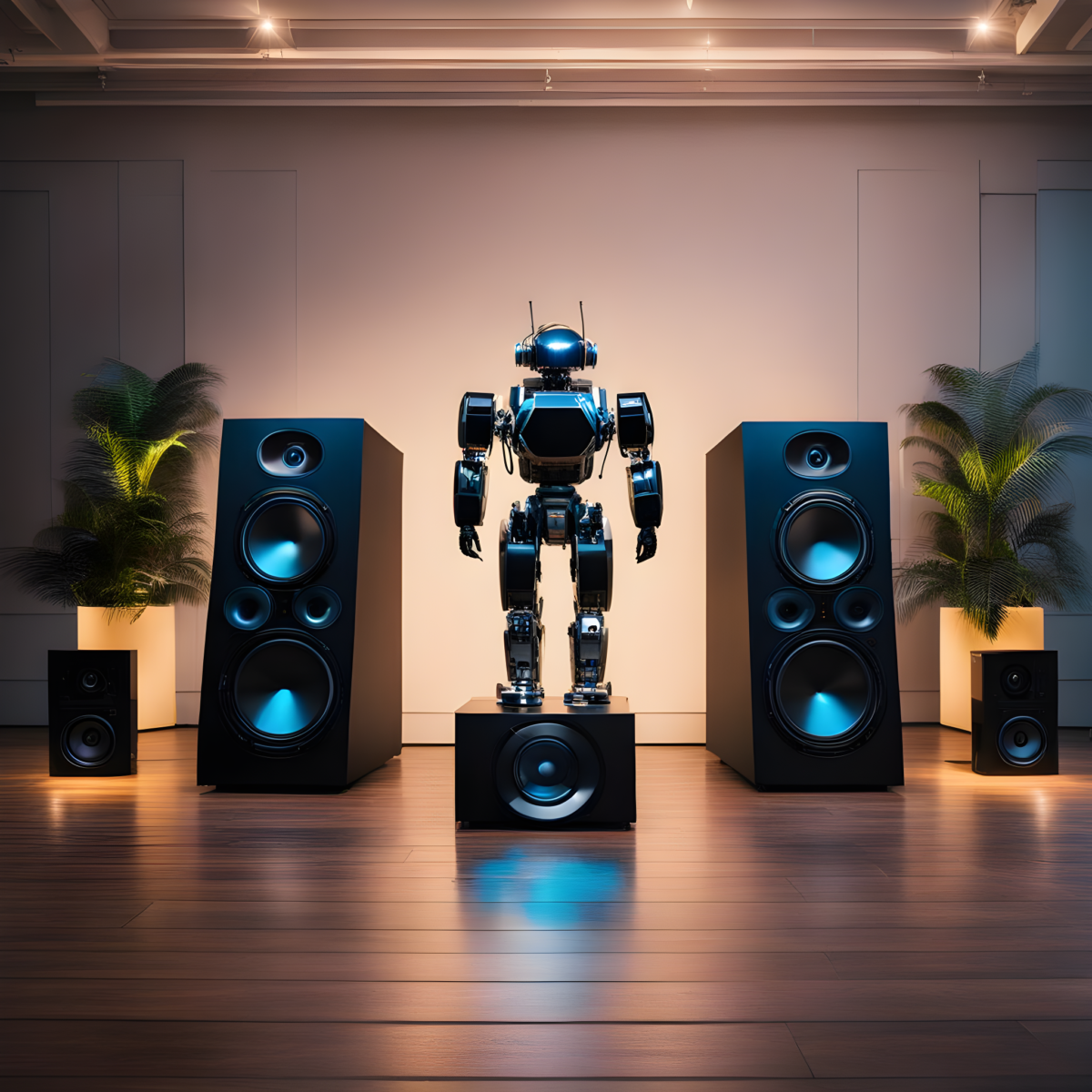
The integration of AI in music generation opens up exciting possibilities for personalization. As the technology continues to develop, AI models like MusicGen have the potential to create nearly infinite amounts of music in real-time, tailored to the preferences and tastes of individual users. This level of personalization can revolutionize the way music is consumed and experienced.
How AI can transform the music industry
The impact of AI in music is not limited to personalization alone. The technology has the potential to reshape the entire music industry. AI-powered music generation can streamline the production process, aid creativity, and offer new avenues for artistic expression. Additionally, AI models like MusicGen can assist musicians in exploring new genres, styles, and compositions, leading to the creation of innovative and boundary-pushing music.
The excitement surrounding continued improvements in AI music generation
The advancements made by MusicGen and similar AI models generate immense excitement for the future of music generation. As technology continues to evolve and improve, the possibilities for AI-generated music become increasingly compelling. The creative potential, accessibility, and versatility offered by AI in music generation fuel anticipation for future innovations and advancements.
Conclusion
Recap of the advancements and limitations of MusicGen
MusicGen represents a significant breakthrough in AI music generation. Its unique features, including prompt following, long music generation, and conditioning, have showcased great potential and versatility. However, MusicGen has limitations, as highlighted by certain failure cases. Understanding both the advancements and limitations of MusicGen is essential in harnessing its capabilities effectively.
The potential future benefits and applications of AI in music generation
The future benefits and applications of AI in music generation are vast. Personalization, streamlined production processes, and enhanced creativity are just a few benefits AI-powered music generation can bring to the industry. As AI models like MusicGen continue to evolve and improve, the possibilities for innovation and advancement in music creation become increasingly promising.
Final thoughts on the development and innovation of music by AI
The development and innovation of music by AI, exemplified by models like MusicGen, usher in an exciting era for the music industry. Combining human creativity and AI technology offers musicians, producers, and enthusiasts new opportunities. By embracing AI in music generation, we can explore uncharted musical territories, push the boundaries of creativity, and experience music in dynamic and personalized ways.
