
Brace yourself as we journey into the breakthrough advancements of the digital world in this edition of Hidden AI News Daily! We delve into the dynamic and transformative world of artificial intelligence, starting with Microsoft’s revolutionary AI assistant, Copilot, and Google’s image restoration marvel – RealFill. We then discuss the European Union’s approach to AI regulation, roaring advancements by Baidu, a legal dilemma Google faces, and AI’s path-breaking contributions to road safety. So, fasten your seatbelts as we navigate the thrilling universe of AI with all its innovations, implications, and inspiring breakthroughs.
Microsoft Introduces 365 Copilot

Microsoft 365 COPILOT: The AI Assistant for Your Business
Microsoft recently unveiled its latest addition to the world of artificial intelligence, the 365 copilot. This innovative AI assistant is designed to revolutionize our work by taking on various tasks and representing users in meetings. Integrated into Microsoft’s Suite of office applications, Copilot aims to streamline productivity and enhance collaboration.
Starting November 1st, users can access this powerful tool to summarize Teams meetings. With Copilot, you no longer have to worry about missing out on essential discussions or forgetting key details. It acts as your virtual assistant, ensuring you stay informed even when you can’t attend an in-person meeting.
But that’s not all! Copilot goes above and beyond just meeting summaries. It assists in drafting emails, composing documents, and creating presentations. Imagine having an AI-powered writing partner who can help you create compelling content and save time.
Built on the same technology as chat GPT (Generative Pre-trained Transformer), the Copilot has been trained extensively to understand natural language and generate human-like responses. This means it can engage in conversations with you, making it feel like you’re working with a natural person.
One of the key concerns surrounding AI assistants like copilots is the potential phasing out of human workers and over-reliance on automation. While it’s true that these technologies may impact specific administrative roles, they also have tremendous potential to augment human capabilities rather than replace them entirely.
Regulations around AI disclosure are another topic of discussion regarding tools like Copilot. The European Union has emphasized the importance of transparency and disclosure when interacting with AI systems, particularly those used for critical decision-making processes. As we continue to embrace these advancements, it will be crucial for organizations using such technologies to ensure compliance with ethical guidelines and regulations.
Copilot is designed with security in mind, allowing it to access personal or company data securely. This ensures that your confidential information remains protected while benefiting from the assistant’s capabilities. Microsoft aims to provide a secure environment for users by using state-of-the-art encryption and authentication measures.
So, what can the Copilot do? Let’s take a closer look at some of its features:
- Email Assistance: Copilot can help you draft emails by suggesting responses based on the context of the conversation. It can even condense a lengthy email thread and propose a response that captures the key points.
- Document Composition: Need help writing that critical report? Copilot can assist you in composing documents by offering suggestions for content and structure. It uses its vast knowledge base to generate relevant ideas, helping you create high-quality documents efficiently.
- Presentation Creation: Creating presentations can be time-consuming, but it becomes a breeze with a copilot. In just 43 seconds, the Copilot can generate a PowerPoint presentation complete with slides and even provide you with a script to guide your delivery.
- Meeting Insights: Ever find yourself struggling to keep up with all the discussions during team meetings? Copilot has got your back! It can pinpoint discussion themes in Microsoft Teams meetings, making it easier for you to follow along and contribute effectively.
It’s important to note that while the Copilot provides valuable insights into meeting discussions, it does not identify individual performances or track attendance. This ensures privacy and avoids potential biases or discrimination based on AI-generated assessments.
To access Copilot’s capabilities online, users will need a monthly subscription. While this may raise concerns about dependency on AI tools and the potential pitfalls of relying too heavily on automation, it also presents an opportunity for organizations to optimize their workflows and free up valuable time for employees to focus on more strategic tasks.
Source
Google’s AI Revolutionizes Image Restoration
Google researchers have developed a RealFill technique to fill missing information in images and videos with realistic data. The technique, known as image inpainting and outpainting, allows for extending images in any direction and filling in plausible data.
One of the most impressive aspects of RealFill is its ability to reconstruct images with high accuracy, even when only one image is available. Traditionally, inpainting techniques require a set of images to learn from, but RealFill can work with just one to three photos.
This technique could be used to upscale low-resolution images to higher-resolution versions. By using RealFill to fill in missing details and enhance the overall quality of an image, AI could potentially improve the visual fidelity of lower-quality photographs.
RealFill has also shown promise in reconstructing historical buildings using other available photos as reference. This ability opens up new possibilities for preserving and restoring cultural heritage sites that may have suffered damage or decay over time.
While RealFill excels at reconstructing imagery, it does struggle when it comes to dealing with text. Textual information tends to be more complex and structured than visual content, making it difficult for the algorithm to fill in missing text-based information accurately.
Google’s RealFill technique has garnered significant attention and praise within the research community. It has been hailed as an exceptional and brilliant paper due to its ability to generate realistic data and fill gaps in imagery effectively.
There’s genuine excitement about the future possibilities of AI technology. With advancements like RealFill pushing boundaries and overcoming seemingly impossible tasks, there is immense potential for further breakthroughs that could revolutionize various fields.
Source
EU Proposes Three-Tiered AI Regulation

The European Union is taking steps to regulate generative AI models and systems. Generative AI is artificial intelligence that can generate new content or information, such as text, images, or videos.
To ensure the responsible development and use of generative AI technology, the EU is considering a three-tiered approach to regulation. The first tier would focus on high-risk applications of generative AI, such as deepfakes and fake news generation. These applications have the potential for significant societal harm and would be subject to strict regulations.
The second tier would cover medium-risk applications that could potentially cause harm but are not as severe as high-risk ones. Examples include chatbots and language translation models. The regulations for this tier would be less stringent than the first tier.
Finally, the third tier would encompass low-risk applications of generative AI. These are typically harmless or beneficial tools that do not pose significant social risks. They may include creative writing assistance tools or image-generation models without malicious intent.
By implementing this three-tiered approach, the EU aims to balance promoting innovation in generative AI while ensuring ethical standards are upheld and potential harms are mitigated.
Source
Baidu Introduces ERNIE 4.0 Chatbot Comparable to OpenAI’s GPT-4

One of China’s leading technology companies, Baidu, has unveiled its latest AI chatbot, ERNIE 4.0 (Enhanced Representation through kNowledge IntEgration). Baidu claims that ERNIE 4.0 is comparable in performance to OpenAI’s highly acclaimed GPT-3 model and even anticipates rivaling OpenAI’s upcoming GPT-4.
ERNIE 4.0 leverages advanced natural language processing techniques and large-scale pre-training on vast data to understand user queries and generate human-like responses. Baidu has trained ERNIE 4.0 on various sources, including news articles, books, and online forums, to enhance its ability to handle multiple topics.
The chatbot is designed to provide users personalized recommendations and assistance in e-commerce, customer support, and content creation. Baidu aims to empower businesses and individuals with AI capabilities to boost productivity and improve user experiences.
Source
Google Faces Lawsuit Alleging Misappropriation of Content for AI Training

Google is facing a lawsuit that accuses the tech giant of misappropriating content from social media platforms and its services to train its AI systems. The complaint alleges that Google scraped user-generated content without proper consent or authorization.
The lawsuit claims that Google’s actions violate copyright laws by using other people’s content for commercial purposes without compensating or seeking permission from the original creators. It also raises concerns about the potential ethical implications of training AI models on personal data shared on social media platforms.
While Google has not yet publicly responded to the lawsuit, this case highlights the growing scrutiny surrounding the use of data in AI development. As AI technology advances, it becomes increasingly essential for companies to prioritize transparency, consent, and ethical practices when handling user data.
Source
Procter & Gamble Launches Internal Generative AI called chatPG
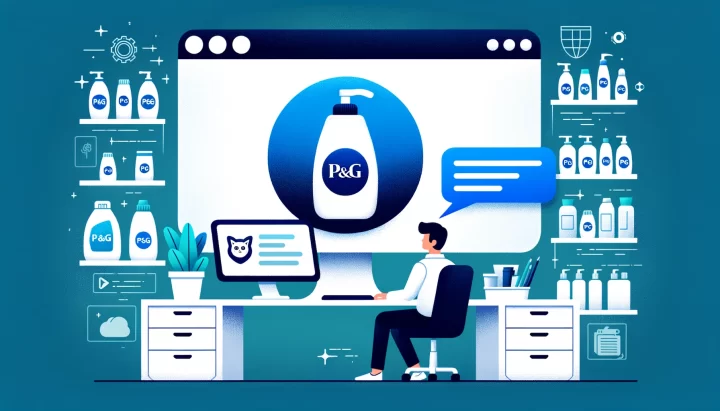
Consumer goods company Procter & Gamble (P&G) has embraced generative AI technology by launching its internal chatbot called chatPG. P&G developed chatPG using OpenAI’s API (Application Programming Interface), which provides access to OpenAI’s powerful language models.
chatPG aims to improve productivity within P&G by assisting employees with tasks such as answering common questions about company policies or providing guidance on various topics related to their work. The bot can quickly retrieve information from P&G’s vast knowledge base and deliver accurate responses in natural language.
By leveraging generative AI, P&G hopes to streamline internal processes, enhance employee experiences, and drive greater efficiency and effectiveness across the organization.
Source
Computer Vision Boosts Road Safety with Intelligent Sign Analysis

Clear and discernible horizontal road signs play an undeniable role in road safety. Fascinating new research out of the Czestochowa University of Technology sheds light on an innovative technique that leverages artificial intelligence (AI) to shed light, literally, on the visibility of these road signs.
Researchers at the university have developed a system that distinguishes between road signs of correct visibility and those with poor visibility. So, how does this work? The magic lies in capturing images by a standard car camera or driving recorder, which are then analyzed and processed using an artificial intelligence model called YOLOv4-Tiny.
To establish the baseline for the system, the research team created a proprietary database of 6250 annotated images and video frames that depicted real-life driving scenarios. Leveraging the YOLOv4-Tiny model, data from the video stream is segmented into frames, which are then used to train the artificial neural network. The output from this model includes details on the object’s location, size, and classification into one of nine pre-defined classes.
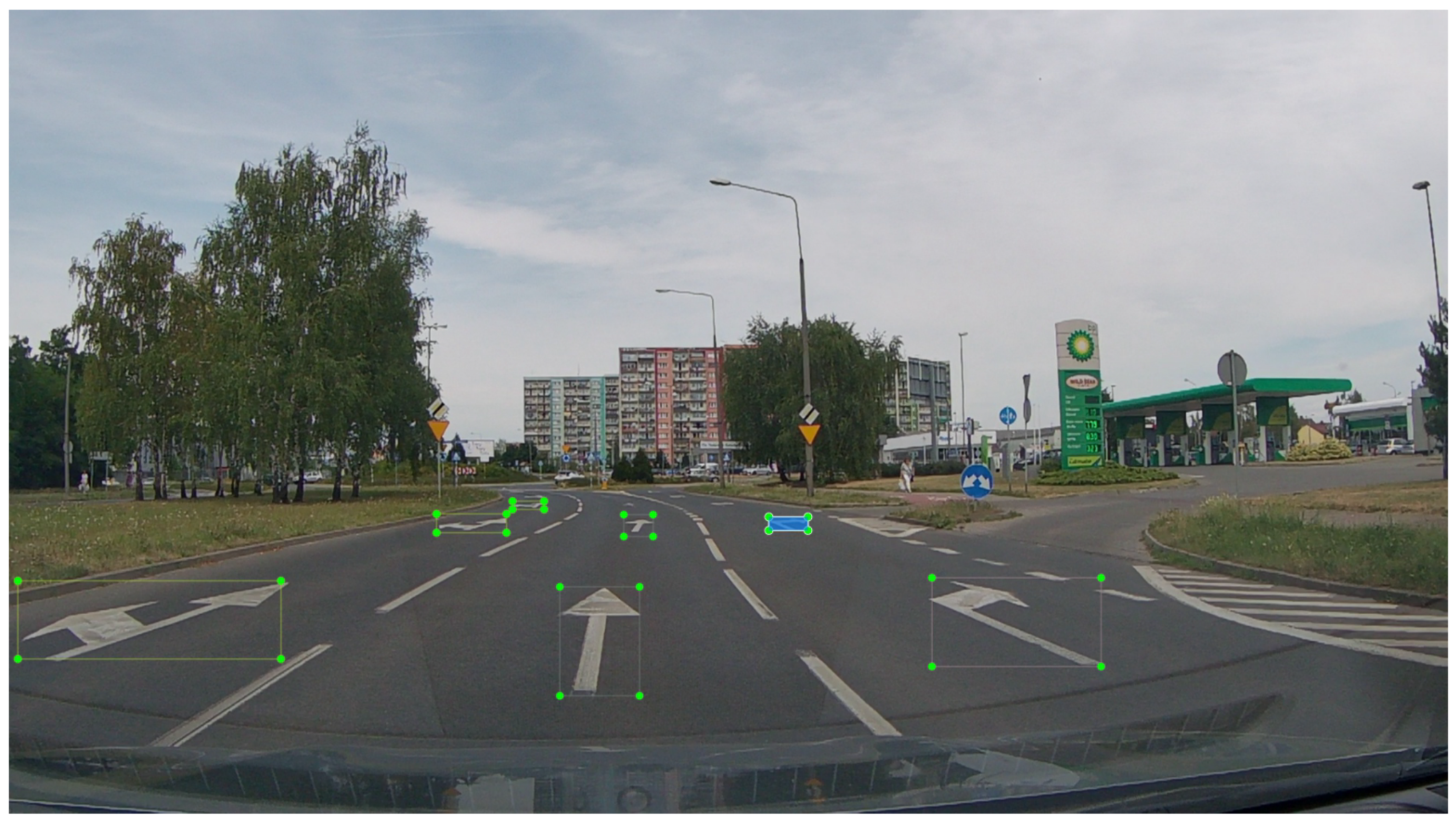
Here is where it gets genuinely genius. The data about the objects’ positions and sizes within the image are used to assess pixel-level contrasts within the images and, thus, their visibility. Given that road surfaces are dark and signs are lighter, this contrast analysis helps differentiate road signs requiring repainting from those adequately maintaining their visibility.
The researchers tested the trained model on various real-world video streams and achieved stunning results with an object search accuracy of 96.79%. As a result of this research, the decision-making process regarding the need for road sign repainting has been made efficient and objective.
The bottom line? AI and computer vision aren’t just for the tech-buzz talks anymore. Within the context of road safety, these technologies are revolutionizing the way visible road sign issues are detected, analyzed, and dealt with. Hold tight for more updates, as the team hopes to expand this system to address even more complex road conditions and other types of road signs!
Source
Thank you for reading Hidden AI News Daily!

Thank you for reading today’s issue of Hidden AI News Daily Daily. Remember, this newsletter is released daily to inform you about the latest AI topics. Your feedback is essential, so please provide your thoughts in our mobile app to help us improve this newsletter. Stay tuned for tomorrow’s edition!
