
As technology advances, various industries embrace innovation to enhance their operations, and agriculture is no exception. With the growing demand for sustainable food production and maximizing yields, there has been a surge in the use of artificial intelligence in agriculture projects to revolutionize traditional farming practices. AI applications in agriculture are helping farmers make data-driven decisions, optimize resource usage, and ensure sustainable practices for future food security.
Key Takeaways:
- Artificial intelligence transforms traditional farming practices, optimizes resource usage, and ensures sustainable food production.
- Artificial intelligence in agriculture is helping farmers make data-driven decisions for maximizing yields.
- The use of AI in agriculture projects is the future of sustainable food production.
Skip to the FAQ here
Enhancing Yields Through Machine Learning in Farming
Machine learning is increasingly utilized to improve yields as the agriculture industry evolves. Farmers are turning towards intelligent farming technology to optimize their agricultural processes.
Machine learning algorithms enable farmers to make informed decisions with data-driven insights. Farmers can analyze data on weather patterns, soil conditions, and crop growth rates to optimize their farming practices. By doing so, they can increase yields, reduce costs, and improve overall efficiency.
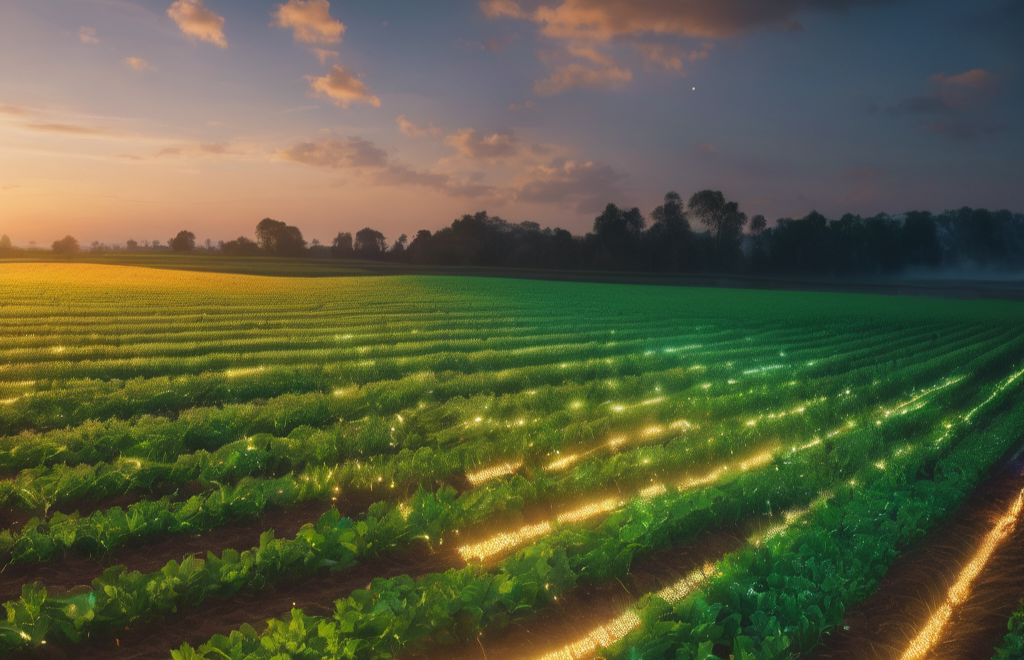
A key component of smart farming technology is the use of sensors. Sensors are strategically placed throughout the farm, collecting data on various environmental factors. This data is then analyzed using machine learning algorithms, allowing farmers to make real-time decisions to optimize crop performance.
Another important application of artificial intelligence in Agriculture is the ability to predict crop yield. By analyzing trends in historical data, machine learning algorithms can be trained to predict crop yield accurately. This helps farmers plan their resources accordingly and make informed decisions regarding harvest timing and distribution.
Automating Farming with Agricultural Robotics
With the rise of precision agriculture solutions, the role of agricultural robotics in automating farming tasks has gained increasing importance in recent years. By employing robots for planting, weeding, and harvesting crops, many farmers have optimized their resource usage, reduced labor costs, and increased yields. Agricultural robotics also drives innovation in crop monitoring, soil analysis, and predictive analytics, enabling farmers to make data-driven decisions to improve farming practices.
Precision agriculture solutions have allowed the development of specialized robots to meet specific farming needs. For example, some robots have advanced sensors to detect and remove weeds without damaging crops. Others are designed to plant and irrigate crops with greater accuracy and efficiency. These robots use GPS and other sensor technologies to ensure that they operate precisely and provide the right amount of water, fertilizer, or pesticide.
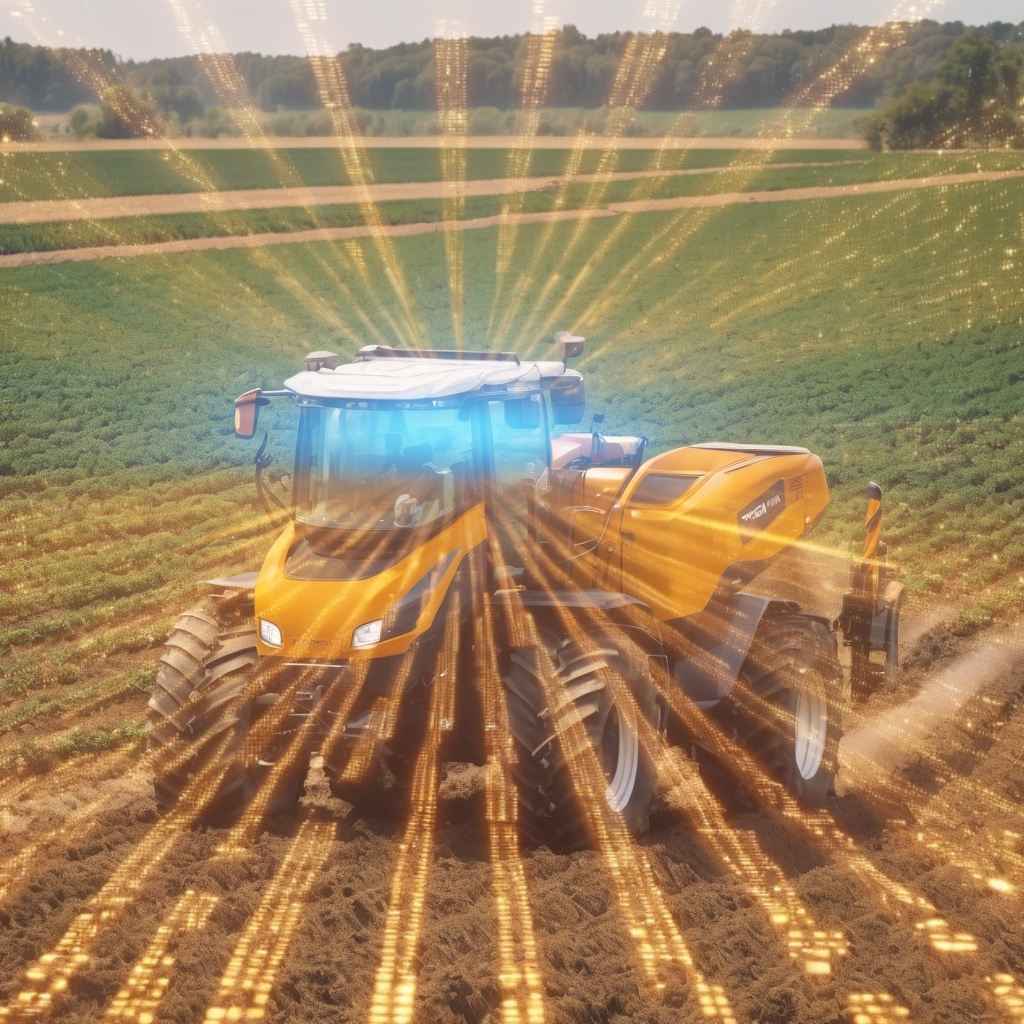
The benefits of agricultural robotics go beyond yield optimization and cost reduction. By reducing the need for human labor, robotics can also improve farm workers’ safety and working conditions. Robots can perform tasks like picking fruit and vegetables that are notoriously difficult and time-consuming for humans, reducing the need for manual labor and ensuring that crops are harvested quickly and efficiently.
However, some challenges still need to be addressed before agricultural robotics can reach its full potential. One major challenge is the high cost of implementing the technology, which can be a barrier for small-scale farmers. Another issue is the need for advanced training and education to effectively operate and maintain robotics machinery. Additionally, there are concerns about the ethical implications of replacing humans with robots in agriculture and the risks of relying too heavily on autonomous systems that could malfunction.
Despite these challenges, the future of automation in agriculture looks promising. As technology advances and becomes more affordable, more farmers can adopt robotic systems in their operations. This could significantly increase productivity, efficiency, and sustainability in the global agricultural industry.
AI for Crop Monitoring and Management
Artificial intelligence has revolutionized crop monitoring and management in agriculture, providing farmers with advanced tools and techniques to optimize crop growth and minimize losses.
AI applications in agriculture enable farmers to leverage real-time data to make informed decisions, such as predicting weather patterns and monitoring crop health. With AI-driven tools, farmers can detect early signs of pests and diseases and take corrective action, preventing crop damage and yield loss.
Machine learning algorithms, such as neural networks and decision trees, are utilized in crop monitoring systems to analyze vast amounts of data from various sources, such as satellite imagery and sensor data. These algorithms can predict crop yields, identify yield-limiting factors, and recommend management practices to optimize crop performance.
One of the significant benefits of AI for crop monitoring is its ability to provide precise and personalized recommendations to farmers. With AI-driven tools, farmers can optimize resource usage, such as water and fertilizer, reducing costs and minimizing environmental impact.
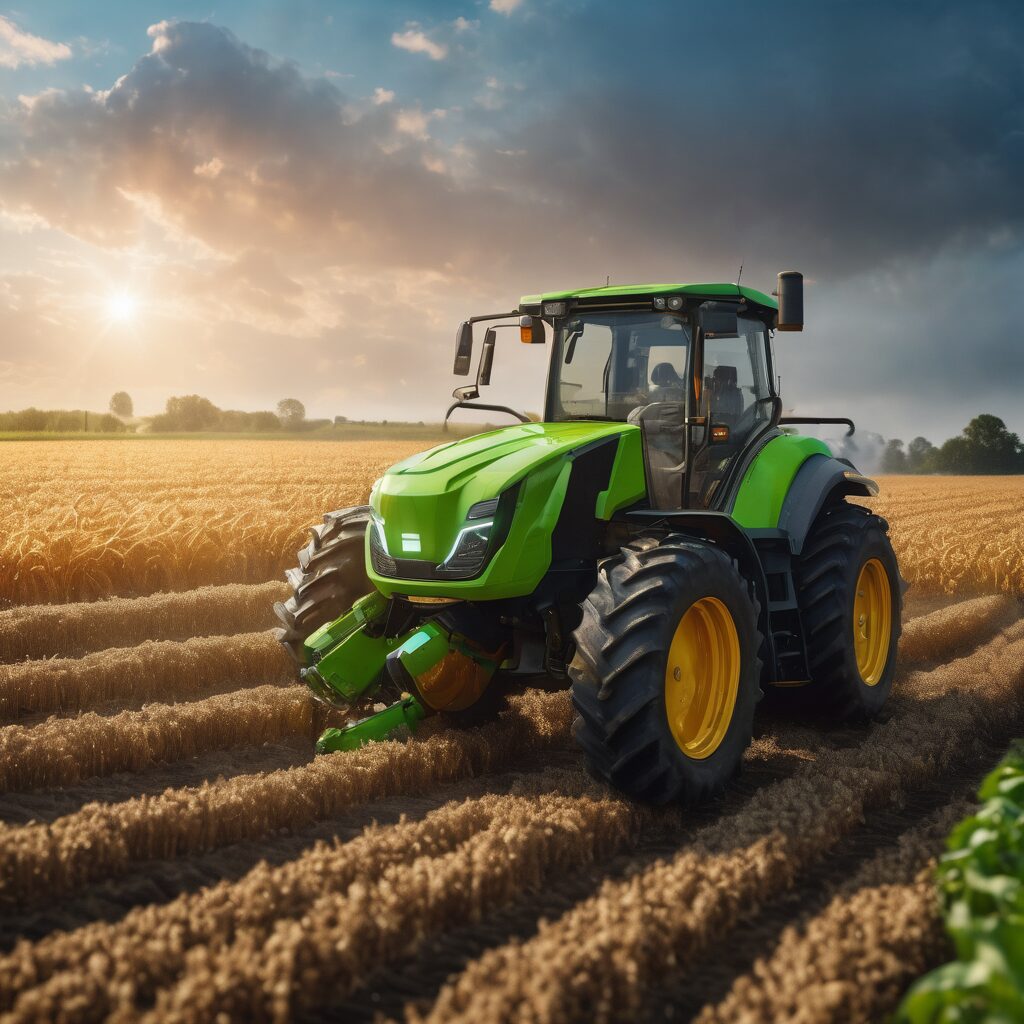
AI technologies are also being used to automate various tasks in agriculture, such as harvesting and weeding. By doing so, farmers can reduce labor-intensive processes and improve efficiency.
Although AI solutions for crop monitoring and management offer immense potential, challenges still need to be addressed. One of the significant challenges is the collection and analysis of accurate and reliable data.
In conclusion, artificial intelligence is critical in crop monitoring and management by enabling farmers to optimize crop growth and minimize losses. With AI-driven tools and techniques, farmers can make informed decisions, reduce costs, and ensure sustainable food production for future generations.
Enhancing Efficiency with Computer Vision in Agriculture
Computer vision, a subset of AI, has emerged as a game-changer in agriculture. It uses cameras, sensors, and software to analyze images of crops, soil, and livestock, providing valuable insights to farmers. By analyzing visual data, computer vision can help farmers make informed decisions about planting, fertilizing, managing pests, and harvesting.
One of the critical advantages of computer vision is its ability to detect diseases and other crop issues early on. This allows farmers to take action before the problem escalates, reducing crop losses and increasing yields. For example, computer vision can identify nutrient deficiencies in crop plant diseases and even predict yields by analyzing plant growth data.
Moreover, computer vision can enhance efficiency in various farming processes. It can assist in weeding, irrigation management, and even monitor animal behavior and health. By automating these tasks, farmers can save time and reduce labor costs. By optimizing resource usage, computer vision can also promote sustainable farming practices.
Real-Life Use Cases of Computer Vision in Agriculture
One great example of computer vision in agriculture is Prospera, which provides crop monitoring services. Prospera uses cameras and sensors to collect crop health and growth data, which is then analyzed using machine learning algorithms. Based on this analysis, Prospera provides farmers with customized recommendations on when to irrigate, which fertilizers to use, and when to harvest.
Another company, Blue River Technology, has developed a smart weeding system called See & Spray. This system uses computer vision and machine learning to differentiate crops and weeds. By detecting and spraying only the weeds, See & Spray reduces herbicide usage by up to 90%, saving costs and minimizing environmental impact.
Overall, computer vision has the potential to transform the agricultural industry by increasing productivity, reducing labor costs, promoting sustainable practices, and ultimately ensuring food security for a growing global population.
Leveraging Big Data Analytics in Farming
As farming practices become increasingly sophisticated, the role of big data analytics in agriculture is rapidly emerging. Big data analytics involves collecting and analyzing large amounts of data to identify patterns, gain insights, and make data-driven decisions. Applying big data analytics in farming transforms the industry, enabling farmers to optimize yields, reduce costs, and promote sustainable practices.
One of the key benefits of big data analytics in farming is its ability to aid in decision-making. By analyzing large quantities of data, farmers can make informed decisions about crop management, irrigation, fertilization, and pest control. They can also use data to identify areas of improvement and implement changes to increase efficiency and productivity.
Another advantage of big data analytics in farming is its impact on yield optimization. Using data to monitor and track crop growth, farmers can adjust growing conditions, change irrigation schedules, and implement other strategies to enhance yields. This can help to ensure the long-term sustainability of farming practices and promote food security.
Using big data analytics in farming comes with challenges, including the need for specialized software, hardware, and technical expertise. However, the benefits of implementing big data analytics in agriculture far outweigh the costs, making it an essential tool for modern farmers.
In conclusion, big data analytics is revolutionizing farming practices around the world. Big data analytics is transforming the agriculture industry by providing farmers with the tools they need to make data-driven decisions, optimize yields, and promote sustainable practices.
Advancements in Automated Farming Systems
Automated farming systems have revolutionized the industry by increasing productivity and reducing labor-intensive tasks. Smart technologies, robotics, and real-time data analysis have enabled farmers to optimize their operations and improve their yields.
One of the significant advancements in automated farming systems is using precision agriculture solutions. These solutions integrate data from various sources such as sensors, satellites, and weather forecasts to provide real-time insights on crop conditions, soil moisture levels, and nutrient requirements.
| Benefits of Precision Agriculture Solutions | Examples of Applications |
|---|---|
| Optimizing resource usage and reducing waste | – Variable rate irrigation systems – Automated fertilizer dispensers – Crop yield monitors |
| Minimizing environmental impact and promoting sustainable practices | – Predictive modeling for disease and pest control – Soil nutrient management systems – GPS-guided machinery for precise application of herbicides and pesticides |
In addition to precision agriculture solutions, agricultural robotics has also contributed to the automation of various farming tasks. Robotics can perform tasks such as planting, seeding, and harvesting with precision and efficiency, reducing the need for manual labor.
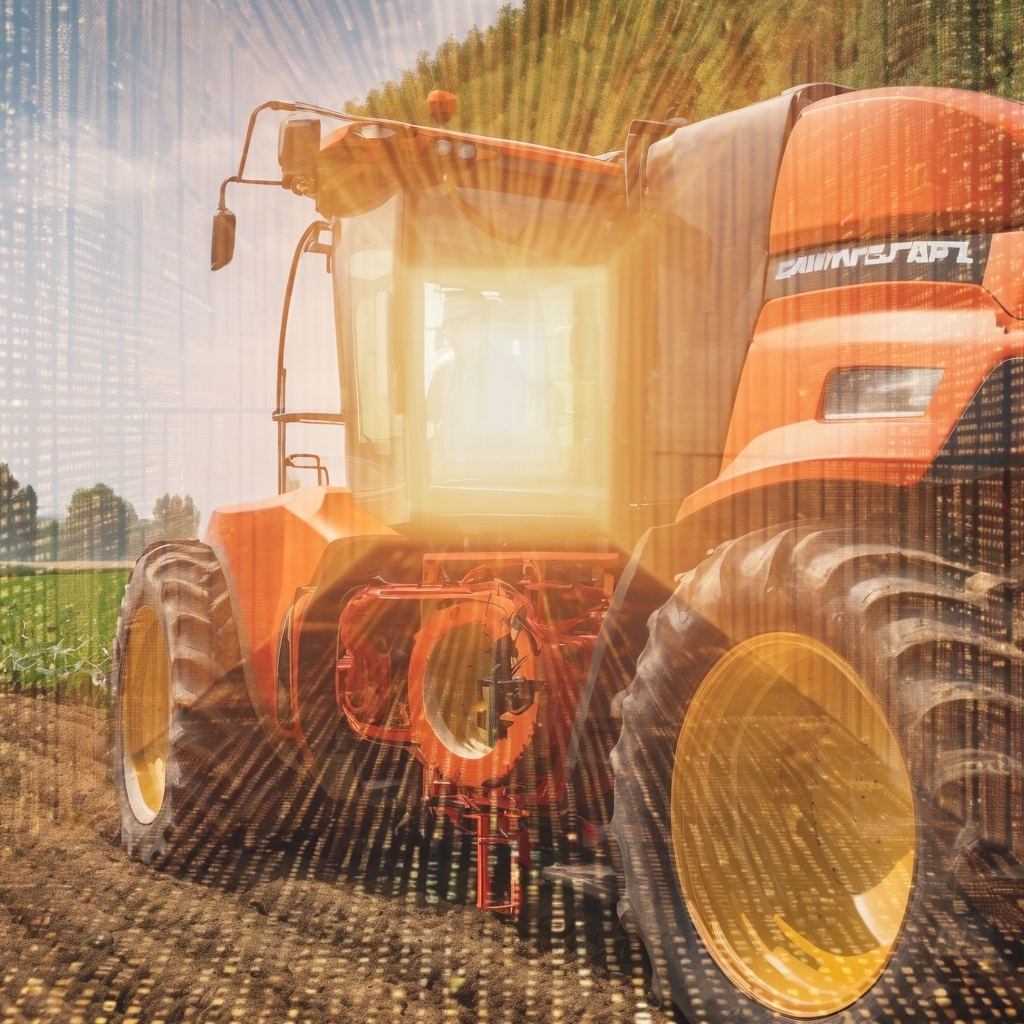
Another area where automation is being utilized is in the use of autonomous vehicles for transportation and logistics. These vehicles can move crops and machinery around the farm without human intervention, saving time and increasing efficiency.
Advancements in Automated Farming Systems
The future of automated farming systems looks promising with the continued development of AI-driven tools and technologies. These advancements are expected to enhance the capabilities of precision agriculture solutions, robotics, and autonomous vehicles, leading to higher yields and sustainable practices.
However, some challenges need to be addressed in adopting these technologies. The cost of initial investment and maintenance can be a barrier for many farmers, and there is also a need for farmer education and support to ensure successful implementation.
Despite these challenges, the potential benefits of automated farming systems are undeniable. They allow farmers to improve operations, increase yields, and contribute to sustainable food production.
Ensuring Sustainable Practices with AI in Agriculture
The demand for sustainable food production practices increases as the global population grows. Artificial intelligence (AI) is vital in achieving this goal by reducing waste, optimizing resource usage, and minimizing environmental impact.
Precision agriculture solutions, driven by AI applications, are helping farmers make data-driven decisions that ensure the best outcomes for their crops. For instance, AI-powered sensors can detect plant health and soil moisture levels, enabling farmers to apply the right amount of water and fertilizer, reducing costs and minimizing environmental impact.
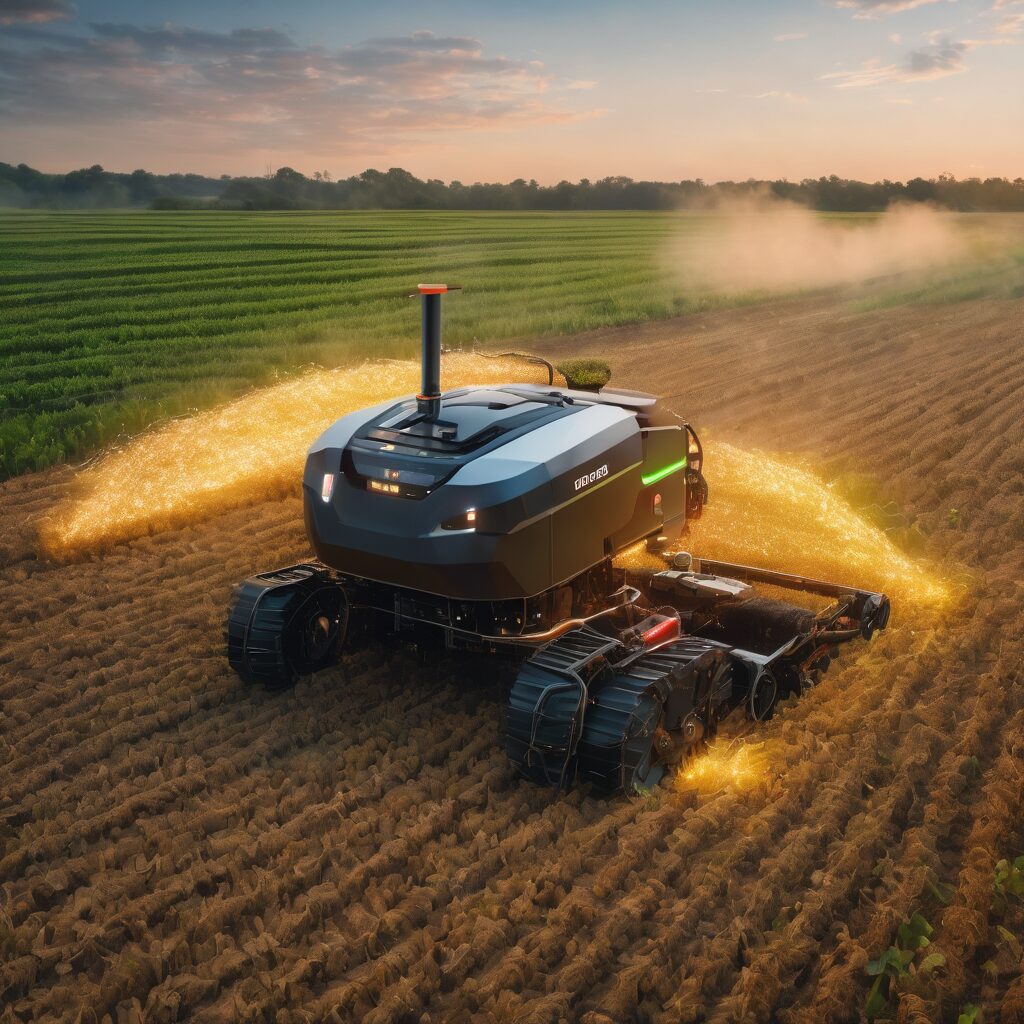
Moreover, AI-driven tools are helping farmers optimize crop growth, reduce losses, promote sustainable farming methods, and balance crop yields and environmental impact. Recent studies have shown that AI applications in agriculture have helped reduce water usage by up to 30% while improving crop yields by up to 50%. It’s a win-win situation for farmers and the environment.
Precision agriculture solutions are also helping farmers to reduce greenhouse gas emissions, helping to mitigate climate change. Advanced digital mapping and aerial imagery, combined with machine learning algorithms, enable farmers to optimize the distribution of seeds and fertilizer, reducing the carbon footprint of farming operations.
Investing in AI applications in agriculture and precision agriculture solutions is a crucial step towards a sustainable and resilient food system, ensuring the environment is protected for future generations.
Overcoming Challenges and Limitations
While artificial intelligence has the potential to revolutionize the agriculture industry, it has challenges and limitations. One of the main challenges faced is the lack of access to data, which is essential for developing effective AI models. Farms in rural areas often lack the necessary infrastructure and resources to collect and store data, hindering the development of AI applications.
Another challenge is the need for farmer education and adoption. Many farmers may hesitate to adopt AI-driven technologies due to lacking experience or knowledge. Additionally, the cost of implementing these technologies can be a significant barrier to adoption, particularly for smaller farms.
Data privacy is also a concern regarding AI applications in agriculture. Farmers must ensure their data is kept secure and not used for unintended purposes, which can pose a challenge when working with third-party vendors or tools.
Finally, there are concerns about the potential environmental impact of AI-driven farming practices. While precision agriculture solutions can help minimize resource usage and promote sustainable practices, there is a risk of overreliance on technology at the expense of traditional farming methods.
Despite these challenges, the benefits of AI in agriculture are too significant to ignore. With continued innovation and investment, the industry can overcome these limitations, paving the way for a more efficient, sustainable, and productive future.
Future Prospects and Implications
The future of agriculture is heavily reliant on technology and innovation. As such, the prospects of artificial intelligence in agriculture are up-and-coming. The deployment of AI applications in agriculture will improve the efficiency and productivity of farming practices and promote sustainable food production.
One of the most significant advantages of AI in agriculture is its ability to help farmers monitor and manage crops more effectively. AI-powered drones and sensors can provide real-time information on crop health, moisture levels, and other critical metrics that help optimize crop growth and reduce losses. AI can also assist in predicting weather patterns and natural disasters, helping farmers plan and prepare for potential risks.
Another potential application of AI in agriculture is using predictive analytics models to inform decisions on planting, fertilization, and irrigation. By analyzing vast amounts of data, including weather patterns and soil quality, AI can suggest optimal planting and harvesting times, reduce water usage, and minimize harmful agrochemicals.
AI also has the potential to revolutionize supply chain management in agriculture. By leveraging big data analytics and smart logistics systems, farmers can streamline the transportation of produce from farms to markets, reducing waste and improving the quality of the produce.
We can expect more smart machines and robots operating in the field as AI advancements continue. These robots will perform labor-intensive tasks such as planting, harvesting, and pruning with incredible speed and precision. They will also monitor crop growth and health, making real-time decisions about fertilization and other treatments.
The implications of AI in agriculture are vast, including increased yields, minimized waste, and improved environmental sustainability. As such, AI has the potential to address some of the most pressing challenges facing the global agriculture industry, including food security and sustainability.
Overall, the future of AI in agriculture holds immense promise for the transformation of farming practices. As technology advances, we expect to see increasing efficiency, productivity, and sustainability in agriculture.
Conclusion
In conclusion, artificial intelligence has revolutionized farming practices by enabling farmers to collect and analyze vast amounts of data to optimize their operations. AI applications in agriculture projects, such as machine learning, agricultural robotics, and big data analytics, have increased productivity, reduced labor-intensive tasks, and promoted sustainable farming practices.
Despite its numerous benefits, implementing AI in agriculture projects has challenges and limitations, such as data privacy, infrastructure requirements, and the need for farmer education and adoption. Nevertheless, the prospects of AI in agriculture are bright, with potential advancements and innovations that could transform the global agriculture industry.
As we move towards a more sustainable and resource-efficient future, AI-driven tools and precision agriculture solutions will be increasingly crucial in minimizing environmental impact and ensuring sustainable food production. The transformative power of AI in agriculture projects is undeniable, and farmers who embrace this technology stand to benefit significantly from its numerous advantages.
FAQ
Q: What is artificial intelligence in agriculture?
A: Artificial intelligence in agriculture refers to using advanced technologies and algorithms to automate and optimize various farming processes. It involves the application of machine learning, computer vision, robotics, and data analytics to improve efficiency, productivity, and sustainable agriculture practices.
Q: How does machine learning enhance yields in farming?
A: Farm machine learning utilizes data analysis and predictive modeling to optimize crop production. It helps farmers make informed decisions about planting, irrigation, pest control, and harvesting. By analyzing historical and real-time data, machine learning algorithms can identify patterns and make accurate predictions, leading to higher yields and reduced resource wastage.
Q: What are agricultural robotics?
A: Agricultural robotics involves using robots and automated systems in farming tasks. These robots can perform various activities like planting, weeding, harvesting, and crop monitoring. Using agricultural robotics helps reduce labor-intensive work and improves precision, thereby increasing productivity and resource efficiency in agriculture.
Q: How is artificial intelligence used for crop monitoring and management?
A: Artificial intelligence techniques like computer vision and machine learning are employed for crop monitoring and management. These technologies enable farmers to detect plant diseases, monitor crop health, optimize irrigation, and predict yield outcomes. By leveraging AI, farmers can make data-driven decisions and implement proactive measures to protect and enhance crop growth.
Q: What is computer vision in agriculture?
A: Computer vision in agriculture involves image processing and analysis to extract meaningful information from visual data. It helps farmers identify pests, diseases, and nutrient deficiencies in crops. Computer vision also assists in automating tasks like fruit sorting, weed detection, and yield estimation, leading to increased efficiency and accuracy in farming processes.
Q: How does big data analytics benefit farming?
A: Big data analytics in farming enables the collection, analysis, and interpretation of large datasets from various sources like sensors, satellite imagery, weather data, and machinery. By analyzing this data, farmers can gain valuable insights and make informed decisions regarding crop management, resource allocation, and sustainability practices. Big data analytics also helps optimize yield, reduce costs, and minimize environmental impact in agriculture.
Q: What are automated farming systems?
A: Automated farming systems integrate robotics, sensors, and artificial intelligence to automate farming tasks. These systems can perform activities such as seeding, spraying, and harvesting with minimal human intervention. They help increase productivity, reduce labor requirements, and improve precision in agricultural operations.
Q: How does AI ensure sustainable agriculture practices?
A: Artificial intelligence plays a crucial role in ensuring sustainable agriculture practices. Farmers can optimize resource usage, minimize chemical inputs, and reduce waste by utilizing precision agriculture solutions and AI-driven tools. AI helps in real-time monitoring, early detection of issues, and implementation of targeted interventions, promoting sustainable farming methods and environmental stewardship.
Q: What are the challenges of implementing AI in agriculture projects?
A: Implementing AI in agriculture projects faces challenges such as data privacy concerns, infrastructure requirements, and the need for farmer education and adoption. Farmers may be hesitant to adopt new technologies, and there may be barriers regarding connectivity and access to reliable data. Addressing these challenges requires stakeholder collaboration, policy support, and awareness programs.
Q: What are the prospects of AI in agriculture?
A: The prospects of artificial intelligence in agriculture are promising. AI has the potential to transform farming practices, improve efficiency, and increase food production. Advancements in robotics, machine learning, and data analytics will further enhance the capabilities of AI in agriculture, leading to sustainable and technologically advanced farming systems.
