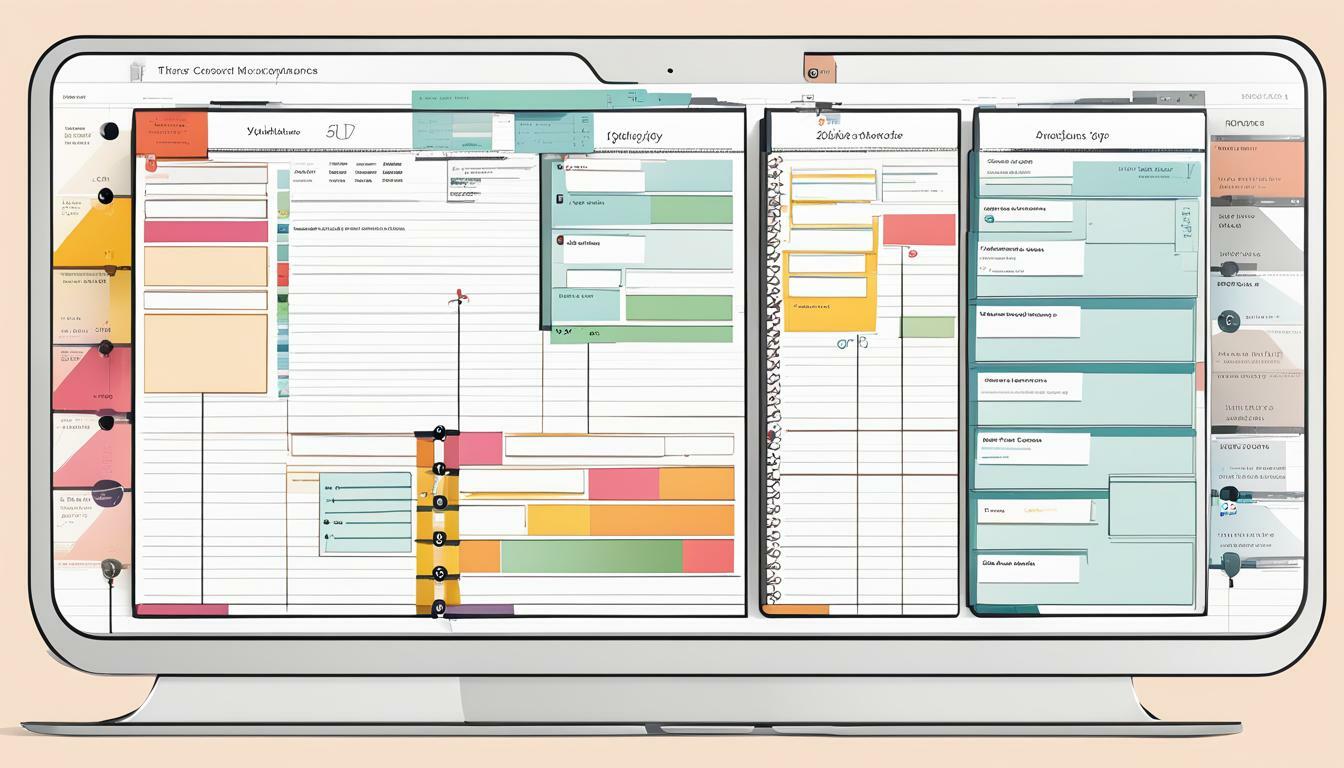
As a content creator, you know that planning and organizing your content can be a daunting task. With so many platforms to post on and topics to cover, it can seem like there’s never enough time in the day. That’s where an editorial calendar comes in.
An editorial calendar is a tool that helps you plan and schedule your content in advance. It can help you stay organized, ensure you’re covering all relevant topics, and make sure your content is being posted at the right time on the right platforms.
Key Takeaways:
- An editorial calendar can help you stay organized and plan your content in advance.
- It ensures you’re covering all relevant topics and posting at the right time on the right platforms.
- Creating an editorial calendar involves identifying key elements, utilizing content planning tools, and measuring success to make adjustments.
Why You Need an Editorial Calendar
Creating a content strategy involves a lot of planning, coordination, and organization. Without a clear plan and framework, content creation can quickly become a frustrating and overwhelming process. That’s where an editorial calendar comes in.
An editorial calendar is a tool that helps you plan and organize your content in a strategic way. It provides a visual guide that outlines what content you’ll publish, when you’ll publish it, and what channels you’ll use to distribute it. By having a clear plan in place, you can save time, stay organized, and ensure that your content is aligned with your overall business objectives.
Whether you’re a one-person team or part of a larger content marketing department, an editorial calendar is essential for staying on top of your content strategy. It provides a bird’s eye view of your content pipeline and helps you stay on track with your publishing schedule.
Why You Need an Editorial Calendar
An editorial calendar has numerous benefits for your content strategy. Firstly, it helps you stay organized by giving you a clear overview of what content is in the pipeline. This allows you to ensure that all your content is aligned with your overall business goals and objectives, ensuring that you stay on target to meet your targets and be successful.
Secondly, an editorial calendar provides a platform for collaboration. It allows multiple stakeholders to contribute to the content strategy by giving them the opportunity to provide input on the content pipeline, suggest topics and ideas, and have visibility over what is planned and when. This level of collaboration and transparency ensures that everyone is on the same page and can work together to achieve the same objectives.
Thirdly, an editorial calendar ensures that you consistently publish high-quality content. By planning your content in advance, you can spend more time refining your content and ensuring that it is well-researched, well-written, and optimized for maximum impact. This level of planning and preparation ensures that you publish a higher caliber of content that resonates with your target audience, builds your brand, and achieves the desired outcomes.
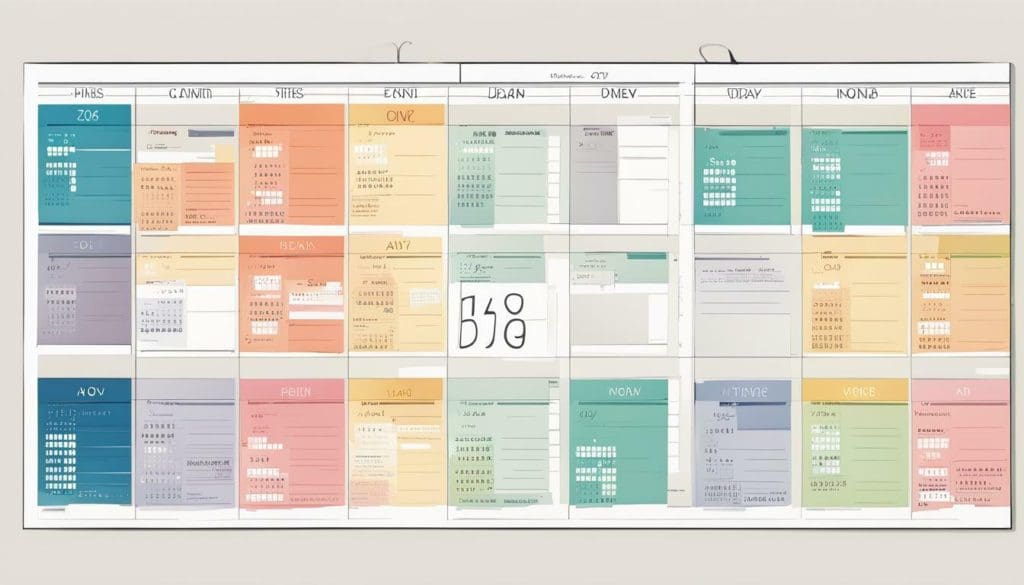
Overall, an editorial calendar is a powerful tool that can help you optimize your content strategy, save time, and ensure that you consistently publish high-quality content. In the next section, we’ll take a closer look at the key elements of an editorial calendar, and how to create one for your own content strategy.
Key Elements of an Editorial Calendar
Creating an editorial calendar is an excellent way to ensure that your content is organized and on schedule. It’s important to include key elements in your editorial calendar so that you can have a successful content marketing campaign.
1. Content Types
When creating an editorial calendar, it’s important to plan out the different types of content you will be producing. This could include blog posts, social media posts, videos, and more. By planning out the different content types, you can ensure that you are providing a variety of content that will keep your audience engaged.
2. Content Topics
Another essential element of an editorial calendar is planning out content topics. Having a list of topics will help you stay on track and make sure that your content is relevant to your audience. Consider creating a content calendar that aligns with your overall content strategy, so you can develop content that meets your marketing goals.
3. Publication Schedule
Your editorial calendar should include a publication schedule that outlines when you will publish each piece of content. This could include specific dates or a general timeframe, such as weekly or monthly. Having a publication schedule will help keep your content organized and ensure that you are consistently providing your audience with fresh content.
4. Collaborators and Assignments
When planning out your editorial calendar, it’s important to consider who will be responsible for producing each piece of content. This could include writers, social media managers, and designers. Assigning specific tasks to each team member will help keep everyone accountable and ensure that deadlines are met.

5. Goals and Metrics
Your editorial calendar should also include goals and metrics that you want to achieve with your content. This could include increasing website traffic, social media engagement, or sales. By setting specific goals and tracking your progress, you can make adjustments and ensure that your content is meeting your marketing objectives.
Overall, an editorial calendar is an essential tool for organizing your content marketing strategy. By including key elements such as content types, topics, publication schedule, collaborators and assignments, and goals and metrics, you can create a successful content marketing campaign that will engage your audience and drive results.
How to Create an Editorial Calendar
Creating an editorial calendar is an essential step for effective content planning. With an editorial calendar, you can schedule and plan content in advance, ensuring that you always have fresh and relevant content for your audience. In this section, we’ll take you through the steps to create an editorial calendar for your content marketing strategy.
Step 1: Define Your Goals and Audience
Before you start creating your editorial calendar, it’s important to define your content marketing goals and target audience. Your goals should be measurable and include metrics like engagement, traffic, leads, and conversions. Knowing your audience will help you tailor your content to their interests and pain points.
Step 2: Identify Your Content Themes and Topics
Once you’ve defined your goals and audience, the next step is to identify the themes and topics for your content. This could include seasonal themes, product launches, industry trends, or customer stories. Use a mind map or brainstorming session to generate a list of ideas.
Step 3: Determine Your Content Types and Formats
With your themes and topics in mind, decide on the types and formats of content you’ll create. This could include blog posts, videos, social media posts, infographics, case studies, or webinars. Consider your audience preferences and the channels you’ll use to distribute your content.
Step 4: Create Your Editorial Calendar
Now it’s time to put everything together and create your editorial calendar. Use a spreadsheet or a dedicated tool to plan your content by date, theme, topic, content type, and status. Assign responsibilities and deadlines to team members, and make sure to include key milestones and events.
Here’s a simple example of an editorial calendar:
| Date | Theme | Topic | Content Type | Status |
|---|---|---|---|---|
| Jan 1 | New Year | Goal Setting | Blog Post | Published |
| Jan 10 | Winter | Snowboarding Tips | Video | In Progress |
| Jan 20 | Customer Stories | Success Story | Case Study | Not Started |
Step 5: Review and Revise Regularly
Creating your editorial calendar is just the beginning. To ensure its effectiveness, you need to review and revise it regularly. This includes tracking your content performance, analyzing your audience feedback, and adjusting your strategy accordingly. Use the insights you gain to improve your content planning and reach your marketing goals.
Creating an editorial calendar may seem daunting at first, but it’s a critical step for effective content planning. With the right tools and process in place, you can streamline your content creation, manage your resources efficiently, and deliver valuable content to your audience. Start creating your editorial calendar today and see the results for yourself.

Long-Term Content Planning with an Editorial Calendar
Creating an editorial calendar is not just about planning your content for the next few weeks or even months; it’s also about looking ahead and strategizing for the long-term. With an editorial calendar, you can plan and execute a content strategy that takes into account upcoming events, holidays, and product launches.
By planning your content in advance, you can ensure that you’re not missing out on any important opportunities or leaving any gaps in your content marketing plan. Plus, having a long-term strategy in place means that you’ll be able to create a more cohesive and effective content marketing campaign.

To make long-term content planning easier, consider breaking down your editorial calendar into smaller sections. For example, you could plan for the next quarter, six months, or even a year. This will help you stay organized and ensure that you’re not overwhelming yourself with too much content planning at once.
Another key element of long-term content planning is staying flexible. While it’s important to have a plan in place, things can change quickly in the world of content marketing. You may need to adjust your strategy if a major event or product launch is announced, or if you notice that certain types of content are performing better than others.
Additionally, make sure that you’re incorporating data into your long-term content planning. Analyze your content’s performance regularly and use that data to inform your future content strategy. By doing so, you’ll be able to create content that resonates with your audience and drives results for your business.
Key Points:
- An editorial calendar can help you plan your content for the long-term.
- Break down your editorial calendar into smaller sections to stay organized.
- Stay flexible and willing to adjust your strategy as needed.
- Use data to inform your content strategy and create content that resonates with your audience.
Maximizing Efficiency with an Editorial Calendar
Once you have your editorial calendar in place, it’s time to start using it to its fullest potential. By staying organized and following a consistent content schedule, you can maximize your efficiency and make the most of your content marketing efforts.
One of the key benefits of an editorial calendar is that it allows you to plan ahead and stay on top of your content creation. By scheduling out your blog posts, social media updates, and other content in advance, you can avoid last-minute rushes and ensure that everything is ready to go when you need it.
In addition to staying on top of your content creation, an editorial calendar can also help you with content management. By keeping track of what you’ve already published and what you have coming up, you can avoid duplicating content and keep your messaging consistent across different platforms.
To further maximize your efficiency, consider using content creation tools and templates. This can help you streamline the process of creating new content and ensure that everything is consistent in terms of tone, style, and messaging.

Another important aspect of maximizing your efficiency is to make use of data and analytics. By tracking your content’s performance and analyzing metrics such as engagement, traffic, and conversions, you can gain valuable insights into what’s working and what’s not. This can help you make more informed decisions about your content strategy and optimize your approach over time.
Finally, it’s important to stay flexible and open to making adjustments as needed. While an editorial calendar can be incredibly helpful for staying organized and on track, things can always change unexpectedly. By remaining agile and adaptable, you can ensure that your content marketing efforts continue to be effective and aligned with your overall goals.
Tools for Effective Content Planning
Now that you understand the importance of creating an editorial calendar, you may be wondering what tools are available to help you streamline your content planning process. Below are a few popular options:
1. Google Calendar

If you’re already using Google’s suite of productivity tools, Google Calendar can be a helpful option for creating an editorial calendar. You can easily create different calendars for different types of content, color code them, and share them with team members.
2. Trello
Trello is another popular option for content planning. Its “boards” and “cards” system allows you to visualize your content schedule and move pieces around as needed. You can also assign cards to different team members and set due dates to ensure tasks are completed on time.
3. CoSchedule
CoSchedule is a comprehensive content marketing platform that includes an editorial calendar, social media scheduling, and analytics all in one place. It’s a great option for larger teams or businesses with more complex content needs.
4. Asana
Asana is a project management tool that can be helpful for content planning as well. You can create different projects for different types of content, assign tasks to team members, and set due dates. Its visual interface makes it easy to see what’s coming up and what tasks are still outstanding.
Whichever tool you choose, make sure it works for your team’s needs and allows you to easily organize and manage your content schedule.
Measuring Success and Making Adjustments
Now that you’re utilizing an editorial calendar to plan and execute your content strategy, it’s time to measure your success and make any necessary adjustments. Evaluating the impact of your content can help you identify weak points in your strategy and tweak them for better results.
One way to measure success is by analyzing website traffic and engagement metrics. This can include the number of page views, time spent on site, bounce rate, and social media shares. Monitor these metrics regularly to gauge the impact of your content and identify areas for improvement.
Additionally, gathering feedback from your audience can provide valuable insight into what is working and what isn’t. Use surveys or polls to ask your audience what they like or don’t like about your content and what they would like to see more of.
When making adjustments to your content strategy, be sure to take a data-driven approach. Use the insights you’ve gathered from website metrics and audience feedback to inform your decisions. Experiment with different formats and topics to see what resonates best with your audience.
Remember, your editorial calendar is a living document that should be updated and adjusted regularly. Don’t be afraid to make changes and pivot your strategy if necessary. Continuously evaluating and refining your content strategy will help you optimize for success.

Conclusion
Congratulations! You now have a solid understanding of how to create an editorial calendar for organized content planning. By implementing an editorial calendar, you’ll be able to stay on top of your content creation and ensure that everything is planned and scheduled in advance.
Remember, having a content strategy is key to success in today’s digital world. With an editorial calendar, you’ll be able to plan your content in advance, stay organized, and maximize efficiency. Don’t forget to measure your success and make adjustments as needed to continue to improve your content marketing efforts.
FAQ
Q: What is an editorial calendar?
A: An editorial calendar is a tool used for organizing and scheduling content for a specific time period. It helps with content planning, management, and organization.
Q: Why is an editorial calendar important?
A: An editorial calendar is important because it helps you create and implement a content strategy, plan content in advance, and stay organized with your content creation and posting schedule.
Q: What are the key elements of an editorial calendar?
A: The key elements of an editorial calendar include content scheduling, content management, content organization, and content optimization. It helps you keep track of your content topics, due dates, and publication channels.
Q: How do I create an editorial calendar?
A: To create an editorial calendar, you can use a spreadsheet or specialized content planning tools. Start by identifying your content goals, brainstorming content ideas, and then scheduling and assigning tasks to team members.
Q: How can an editorial calendar help with long-term content planning?
A: An editorial calendar allows you to plan and schedule content for future months or even an entire year. It helps you ensure a consistent flow of content and maintain a strategic content marketing approach.
Q: How can an editorial calendar maximize efficiency?
A: An editorial calendar improves efficiency by providing a clear overview of upcoming content, eliminating last-minute content creation, and enabling collaboration and task management among team members.
Q: What tools can I use for effective content planning?
A: There are several tools available for content planning, such as Trello, Asana, or CoSchedule. These tools offer features like content scheduling, task assignments, and collaboration options to streamline the content planning process.
Q: How do I measure success and make adjustments with an editorial calendar?
A: By tracking key metrics such as website traffic, engagement, and conversions, you can measure the success of your content marketing efforts. If needed, you can make adjustments to your content strategy and calendar based on the insights gained.
