Welcome to the world of content planning! If you are a content creator or a marketer, you know that planning, creating, and promoting content can be challenging. However, the use of an editorial calendar can make the content creation process much more manageable and efficient.
An editorial calendar is a tool that helps you organize your content ideas, schedule content releases and manage your team’s workflow. With a well-organized editorial calendar, you can ensure that your content is released consistently, aligns with your business goals, and meets the needs of your audience.
In this section, we will explore the importance of an editorial calendar for content planning and how it can help streamline your content creation process. We will also provide tips on how to create an effective editorial calendar that meets your business needs.
Key Takeaways
- An editorial calendar is a tool that helps you organize your content ideas, schedule content releases and manage your team’s workflow.
- A well-organized editorial calendar ensures that your content is released consistently, aligns with your business goals, and meets the needs of your audience.
- Creating an effective editorial calendar can help streamline your content creation process and make it more manageable and efficient.
The Benefits of Using an Editorial Calendar
Creating an editorial calendar for your content planning has several benefits that can help streamline your content creation process and improve the effectiveness of your marketing efforts. Here are a few key benefits you can expect from using an editorial calendar:
- Improved Content Organization: With an editorial calendar, you can organize your content according to themes, topics, and release dates, ensuring a consistent flow of high-quality content.
- Better Time Management: By planning your content in advance, you can avoid last-minute scrambles and ensure that your content is timely and relevant.
- Increased Accountability: An editorial calendar can help you assign responsibilities to team members and ensure that everyone is on the same page in terms of content creation and marketing strategies.
- Consistent Branding: With an editorial calendar, you can ensure that your content is consistent in style, tone, and messaging, which is important for building a strong brand identity.
By using an editorial calendar, you can improve your content planning and execution, which can lead to increased audience engagement, better conversion rates, and a more effective content marketing strategy.

Mapping Content to Stages of the Buyer’s Journey
Mapping your content to the different stages of the buyer’s journey is critical to guide your target audience towards a sale. The buyer’s journey consists of three stages: awareness, consideration, and decision.
Awareness stage: At this stage, the buyer is experiencing a problem or need and becomes aware of it. Your content should focus on addressing the pain points and educating the buyer about the problem. Examples of content formats for this stage include blog posts, social media posts, and explainer videos.
| Content Type | Example |
|---|---|
| Blog Posts | How to Recognize the Signs of Burnout in the Workplace |
| Social Media Posts | “Are you feeling exhausted and unmotivated at work? Check out our latest blog post on recognizing the signs of burnout!” |
| Explainer Videos | A short video explaining the impact of burnout on work performance and how to recognize it. |
Consideration stage: At this stage, the buyer has identified the problem and is actively seeking solutions. Your content should focus on providing solutions and showcasing your products or services as viable options. Examples of content formats for this stage include case studies, white papers, and product demos.
| Content Type | Example |
|---|---|
| Case Studies | How Our Product Helped Company X Reduce Workplace Burnout by 50% |
| White Papers | The Impact of Burnout on Workplace Productivity: A Comprehensive Analysis |
| Product Demos | A walkthrough video showcasing your product and its features to address workplace burnout. |
Decision stage: At this stage, the buyer has identified their preferred solutions and is ready to make a purchase decision. Your content should focus on highlighting the unique value proposition of your products or services and the benefits of choosing them over competitors. Examples of content formats for this stage include product comparisons, testimonials, and limited-time offers.
| Content Type | Example |
|---|---|
| Product Comparisons | How Our Product Outperforms Competitor X in Addressing Workplace Burnout |
| Testimonials | Quotes from satisfied customers who have successfully addressed workplace burnout using your product or service. |
| Limited-Time Offers | “Get 20% off your first purchase of our burnout-reducing product! Offer ends in 24 hours.” |
By mapping your content to the different stages of the buyer’s journey, you can effectively guide your target audience through the sales funnel and convert leads into customers.

Elements of an Effective Editorial Calendar
Creating an editorial calendar without a clear direction can be just as ineffective as having no calendar at all. Here are the key elements that make up an effective editorial calendar:
- Setting goals: Before you start any content planning, outline your goals. What do you want to achieve with your content? What metrics will you use to measure success? Setting clear goals will help you focus your content planning and ensure that every piece of content contributes to achieving your objectives.
- Identifying target audience: Knowing your target audience is crucial. Define your ideal reader persona – age, gender, education level, job title, industry, etc. – and craft content that resonates with them. Conducting research to understand their interests and pain points will help you create content that they find valuable and engaging.
- Conducting research: Conducting research is essential for planning relevant and high-quality content. Look for topics and keywords that align with your goals and target audience, and that support your marketing strategy. Use tools like Google Analytics and keyword research to identify trends and popular search terms.

- Creating a content schedule: Once you have your goals, target audience, and research in place, you need to create a content schedule. This should outline what content you’ll create, when it will be published, and who will be responsible for creating it. A schedule ensures that content is published consistently and keeps your team on track.
These four elements work together to create an effective editorial calendar. Keep in mind that your calendar needs to be flexible and adaptable to changing circumstances. By using these elements, you’ll create content that engages your audience and drives your business goals.
Examples of Editorial Calendar Templates to Use
If you’re new to creating an editorial calendar, using a template can be a helpful way to get started. Here are some examples of editorial calendar templates you can use:
| Template Name | Description |
|---|---|
| Monthly Calendar | A basic calendar layout that allows you to plan content by month. This is a good option if you have a smaller content team or are just starting out. |
| Weekly Planner | A more detailed template that breaks down content planning on a week by week basis. This can be useful for larger content teams or if you have a high volume of content to plan. |
| Channel-Specific Calendar | If you have a multi-channel content strategy, creating a calendar specific to each channel can help keep your content organized and consistent. This type of template allows you to plan content by channel, such as social media, blog posts, or email newsletters. |
| Annual Content Plan | If you want to plan your content strategy further in advance, an annual content plan template can be useful. This template allows you to plan content for the entire year and ensure that your content aligns with holidays, events, and industry trends. |
Remember, these templates are just starting points and can be customized to fit your specific needs and goals. Choose the template that aligns best with your content strategy and team structure.
Streamlining Content Creation Process
Creating an editorial calendar is an effective way to streamline your content creation process. But what other steps can you take to ensure a smooth workflow? Here are some tips to help you streamline your content creation process:
- Brainstorming: Start by brainstorming a list of topics and ideas for your content. Encourage input from team members and industry experts to ensure a diverse selection of topics.
- Assigning Responsibilities: Once you have a list of topics, assign responsibilities to team members for content creation, editing, and publishing. Be sure to establish deadlines and communication channels to keep everyone on track.
- Maintaining a Consistent Flow: Plan your content in advance and set a regular release schedule. This will help you maintain a consistent flow of content and avoid rushed last-minute publications.

By following these tips, you can create high-quality content consistently without sacrificing efficiency.
“Starting with a brainstorming session can help generate a diverse selection of topics. Be open to input from your team and industry experts to ensure a well-rounded content plan.”
Content Strategy for Engaging Your Audience
At the heart of any successful content planning effort is a well-crafted content strategy designed to engage your target audience. By creating valuable and relevant content that resonates with your audience’s interests and needs, you can build a loyal and engaged following.
Here are some key considerations to keep in mind when developing your content strategy:
- Know your audience: Understanding your target audience is crucial to creating content that resonates with them. Research their demographics, behaviors, interests, and pain points to tailor your content to their needs.
- Create valuable content: Your content should offer value to your audience. Think in terms of providing helpful tips, insights, or ways to solve their problems. Aim to educate and inform your audience, and they are more likely to trust you and seek your content out in the future.
- Use multiple channels: Don’t rely on a single channel to distribute your content. Use a mix of channels such as social media, email, blogs, and video to reach your target audience where they spend their time online.
By following these tips, you can craft a content strategy that not only engages your audience but also helps grow your brand and business.

Implementing a Content Calendar and Scheduling System
Creating an editorial calendar is an essential step in content planning. However, it’s equally important to have a content calendar and scheduling system in place to ensure a smooth content creation process. Using software or online tools to manage your content calendar can help you keep track of upcoming releases, deadlines, and assigned tasks.
Content scheduling software, such as Hootsuite or Buffer, can help you schedule social media posts ahead of time, so you don’t have to worry about manually posting them every day. It can also help you optimize your publishing schedule to reach your target audience at the most effective times.

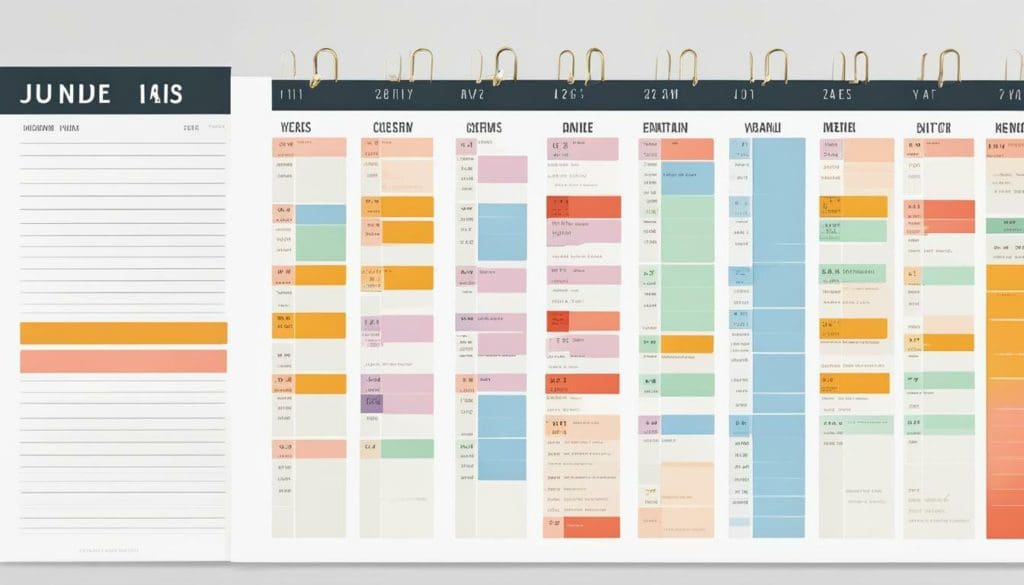
When creating your content calendar, make sure to include all relevant information, such as topic, format, assigned writer, release date, and distribution channels. Consider color-coding your calendar to categorize different types of content or stages of the buying journey.
Having a well-organized content calendar and scheduling system can help you stay on top of your content planning, prevent missed deadlines, and ensure a steady flow of high-quality content for your audience.
Effective Content Management for Success
After you have created an editorial calendar and produced high-quality content, the next step is to effectively manage and maximize the impact of your content planning efforts. Here are some tips for effective content management:
Conduct Content Audits Regularly
Regular content audits help you identify the strengths and weaknesses of your content, giving you insights on what to improve or maintain. Look at your content metrics such as engagement rates, traffic, conversions, and bounce rates to determine which topics, formats, and channels are performing well and which ones need improvement.
Track Performance Metrics Consistently
Consistently tracking performance metrics helps you understand how your content is contributing to your overall business goals. Use tools such as Google Analytics or other analytics software to track metrics, including page views, click-through rates, and social media engagement. Analyze this data to adjust your content strategy and improve your future content planning.
Repurpose Content Across Platforms
Repurposing content is an effective way to reach a wider audience and maximize the value of your content. Transform your blog posts into videos or podcasts, create infographics from data-driven articles, or turn long-form content into a series of social media posts. By repurposing content across different platforms, you increase your content’s reach and engagement.
Ensure Consistency Across Platforms
Consistency across platforms helps you maintain a cohesive brand voice and reinforce your key messages. Use the same tone of voice, messaging, and visual identity across different channels. This strengthens your brand identity and helps build brand recognition and loyalty.

By implementing effective content management practices, you can maximize the impact of your content planning efforts. Content audits, tracking performance metrics, repurposing content, and consistent branding are just a few of the strategies you can use to create a successful content marketing strategy.
Conclusion
Congratulations! You’ve taken the first step towards effective content planning by learning about the benefits of creating an editorial calendar. By implementing the strategies and tips discussed in this article, you can streamline your content creation process, engage your target audience, and achieve success with your content marketing efforts.
Remember, an editorial calendar is not a one-size-fits-all solution. You have to customize it to fit your specific needs and goals. Whether you choose to use a template or develop your own, the key is to organize your content ideas, schedule releases, and maintain a consistent workflow.
By mapping your content to the different stages of the buyer’s journey, you can effectively guide your audience through the sales funnel. Additionally, implementing effective content management strategies will ensure that you maximize the impact of your content planning efforts.
With the right tools and mindset, you can create high-quality content consistently and build a loyal and engaged audience. So, what are you waiting for? Start creating your editorial calendar today and take your content planning to the next level!
FAQ
Q: Why is an editorial calendar important for content planning?
A: An editorial calendar is important for content planning because it helps you stay organized, ensures consistency in content creation, and allows for strategic scheduling of content.
Q: How does an editorial calendar streamline the content creation process?
A: An editorial calendar streamlines the content creation process by providing a roadmap for content creation, helping you prioritize tasks, and ensuring a consistent flow of high-quality content.
Q: Can an editorial calendar help with content organization and management?
A: Yes, an editorial calendar helps with content organization and management by allowing you to categorize and prioritize content topics, schedule content releases, and track content performance.
Q: How can I map my content to the different stages of the buyer’s journey?
A: To map your content to the different stages of the buyer’s journey, you need to understand your target audience’s needs at each stage and create content that addresses those needs. This can be achieved through research, audience segmentation, and content planning.
Q: What are the key elements of an effective editorial calendar?
A: The key elements of an effective editorial calendar include setting goals, identifying target audience, conducting research, creating a content schedule, and regularly reviewing and updating the calendar.
Q: Can you provide examples of editorial calendar templates?
A: Yes, we can provide examples of editorial calendar templates that you can use to structure your content planning efforts. These templates serve as a starting point and can be customized to fit your specific needs and goals.
Q: How can I streamline my content creation process using an editorial calendar?
A: To streamline your content creation process, you can use an editorial calendar to plan ahead, assign responsibilities, brainstorm content ideas, and maintain a consistent content flow.
Q: What is the role of content strategy in engaging your audience?
A: Content strategy plays a vital role in engaging your audience by helping you create valuable and relevant content, understand your target audience’s needs, and leverage various channels for content distribution.
Q: How do I implement a content calendar and scheduling system?
A: To implement a content calendar and scheduling system, you can use software or online tools that allow you to manage your content calendar, schedule content releases, and maintain an organized workflow.
Q: What are the best practices for effective content management?
A: The best practices for effective content management include conducting regular content audits, tracking performance metrics, repurposing content, and ensuring consistency across platforms.
