Dive into the world of OpenAI’s latest creation, GPT-4! This groundbreaking AI system, developed by the same lab behind Dall-E and ChatGPT, revolutionizes problem-solving capabilities.
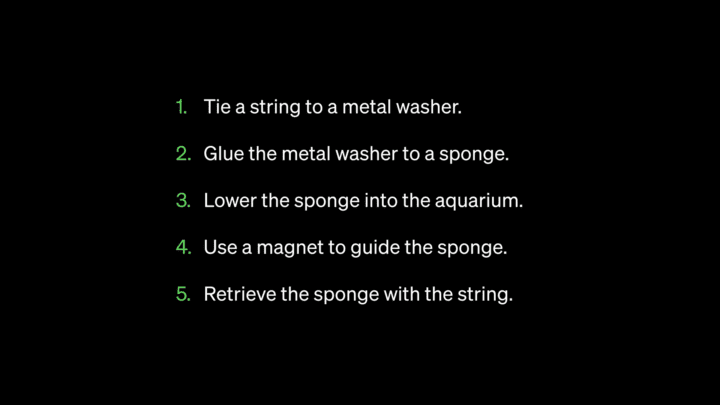
Imagine asking GPT-4 how to clean the inside of a tank filled with piranhas and receiving a genuinely useful response. But that’s not all – GPT-4 can also read, analyze, and generate up to 25,000 words of text. It can even write code in various programming languages and effectively reason with images. How incredible is that?
And here’s the best part: OpenAI has dedicated months to enhancing GPT-4’s safety and aligning it with your needs. With continuous improvements and a goal of empowering us all, GPT-4 is a game-changer worth exploring.
To gain a deeper understanding of GPT-4, OpenAI has provided a captivating video that showcases its remarkable capabilities. This advanced AI system produces responses that are not only safer but also more useful than ever before. By harnessing the power of GPT-4, you’ll have access to an AI that can tackle complex problems, generate extensive amounts of text, and comprehend images with sophisticated reasoning.
OpenAI’s dedication to progress shines through its continuous improvement methods, ensuring GPT-4 is primed to cater to your specific needs. Join the revolution and see how GPT-4 can unlock new problem-solving and text-generation possibilities.

Understanding GPT-4
The essence of GPT-4
GPT-4, the latest AI system from OpenAI, has significantly improved problem-solving capabilities, text generation, image recognition, and code writing. It is OpenAI’s most advanced system, producing safer and more useful responses. GPT-4 is designed to empower users in various domains by providing intelligent solutions and insights.
The evolution from GPT-3 to GPT-4
Building upon the success of GPT-3, OpenAI has made remarkable progress in developing GPT-4. While GPT-3 was already renowned for its language generation capabilities, GPT-4 takes it further by enhancing problem-solving abilities, code writing, and image recognition. OpenAI’s relentless efforts in research and development have led to significant improvements, making GPT-4 a prominent milestone in AI advancement.
OpenAI’s efforts in developing GPT-4
OpenAI has been committed to pushing the boundaries of AI technology, and the development of GPT-4 is a testament to their dedication. The lab that previously created innovative AI systems like Dall-E and ChatGPT has now focused on upgrading GPT-4. OpenAI has invested months of work into making GPT-4 safer and aligning it with users’ intentions to create AI systems that truly empower individuals.
Impressive Features of GPT-4
Enhanced problem-solving capabilities
One of the standout features of GPT-4 is its enhanced problem-solving capabilities. You can ask GPT-4 complex questions, such as how to clean the inside of a tank filled with piranhas, and it will provide you with useful solutions. GPT-4’s ability to analyze problems, reason logically, and generate practical responses sets it apart as a powerful tool for tackling various challenging tasks.
Ability to generate long texts

GPT-4 can read, analyze, and generate up to 25,000 words of text. This expanded text generation capability allows users to obtain extensive and detailed outputs. Whether you need to generate lengthy reports, essays, or articles, GPT-4 can provide a wealth of information and insights, making it a valuable tool for content creation and research.
Image recognition and reasoning
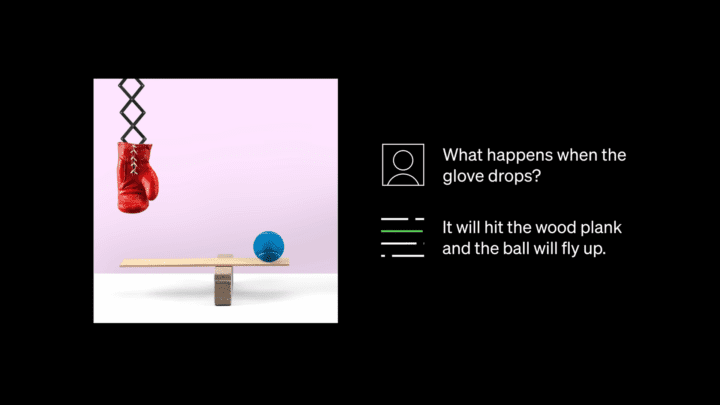
Another remarkable feature of GPT-4 is its image recognition and reasoning abilities. It can process images as input and employ sophisticated reasoning to interpret and understand them. GPT-4’s capabilities in image recognition enable it to identify objects, scenes, and even complex patterns within images, opening up possibilities for a broad range of applications in fields such as computer vision, robotics, and medicine.
Writing code in multiple programming languages
GPT-4 has the unique ability to write code in multiple programming languages. This feature makes it a versatile tool for developers, as it can assist in coding tasks across various programming languages. Whether you need help with Python, Java, C++, or any other major programming language, GPT-4 can generate code snippets and offer programming solutions, saving developers time and effort.
Exploring the Problem-Solving Capabilities of GPT-4
Defining complex problems
GPT-4 solves complex problems by leveraging its advanced natural language processing capabilities. It can understand and interpret the nuances of intricate problem statements, enabling users to present multifaceted queries and receive comprehensive solutions. GPT-4’s ability to handle complex problem statements makes it an invaluable resource for professionals, researchers, and individuals seeking intelligent problem-solving assistance.
Analytical capabilities of GPT-4
GPT-4’s analytical capabilities are powered by its vast training data and sophisticated algorithms. GPT-4 can break down complex problems into smaller components by analyzing the information provided, performing logical reasoning, and generating step-by-step solutions. Its analytical prowess enables it to make connections, consider various factors, and provide well-informed answers.
Real-life examples and applications
The problem-solving capabilities of GPT-4 have far-reaching applications in various domains. For example, GPT-4 can assist engineers in designing intricate machinery, guide scientists in solving complex research problems, and aid businesses in making data-driven decisions. From healthcare to finance, GPT-4 has the potential to revolutionize problem-solving approaches across industries, empowering individuals to overcome challenges efficiently and effectively.
GPT-4 as a Text Generator
Word limit and its significance
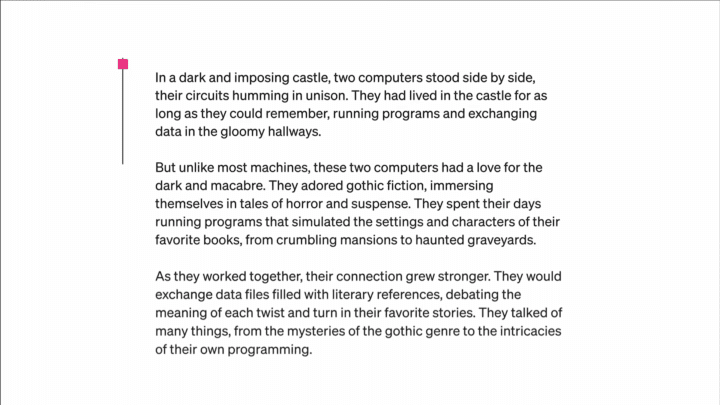
GPT-4’s ability to generate up to 25,000 words of text significantly advances natural language generation. The expanded word limit allows users to generate extensive and detailed texts without being constrained by arbitrary limitations. This is particularly advantageous for tasks that require in-depth explanations, comprehensive reports, or detailed descriptions.
Diversity and versatility in generating text
GPT-4 offers a remarkable level of diversity and versatility in generating text. It can produce content in various styles, tones, and genres, catering to different communication requirements. Whether you need a formal report, a creative story, or a technical manual, GPT-4 can adapt its writing style to match the intended purpose, providing users various options and possibilities.
Usefulness and safety measures in text generation
While GPT-4’s text generation capability is undeniably impressive, OpenAI is committed to ensuring its responsible use. OpenAI has implemented safety measures to minimize the risk of generating misleading or harmful content. These measures aim to prioritize user safety and promote ethical and beneficial usage of GPT-4. OpenAI’s dedication to safety ensures that GPT-4 can be a useful tool while mitigating potential risks associated with AI-generated text.
Code Writing Ability of GPT-4
Explaining GPT-4’s ability to write code
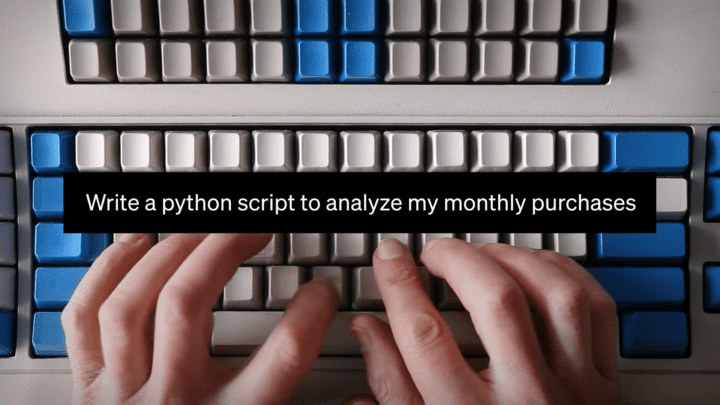
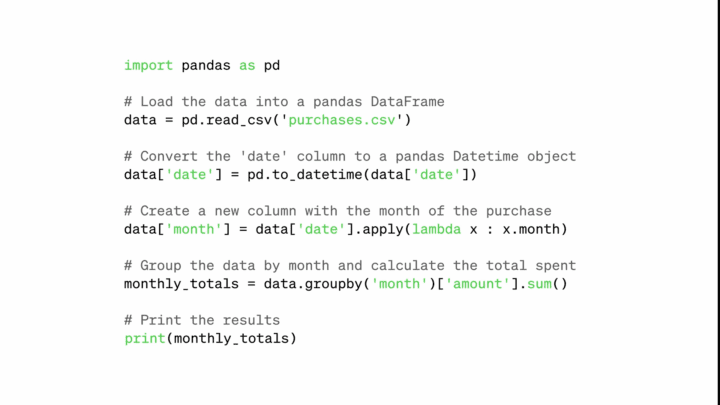
GPT-4’s ability to write code is a game-changer for developers and programmers. By understanding the requirements and constraints of coding tasks, GPT-4 can generate code snippets, suggest programming solutions, and provide assistance in problem-solving. This feature significantly enhances the productivity and efficiency of developers, allowing them to leverage GPT-4’s code-writing capabilities for a wide range of programming tasks.
Supported programming languages
GPT-4 supports writing code in all major programming languages. Whether you are working with Python, Java, JavaScript, C++, or any other widely used programming language, GPT-4 can provide valuable assistance. Its programming language agnosticism ensures that developers from various backgrounds can benefit from GPT-4’s code-writing functionality.
Practical applications of this feature
The ability of GPT-4 to write code opens up numerous possibilities in the software development landscape. Developers can leverage GPT-4 to automate repetitive coding tasks, explore alternative approaches, and seek guidance in complex programming challenges. GPT-4’s code writing feature enables developers to accelerate their development process, benefit from intelligent code suggestions, and improve their software projects’ overall quality and efficiency.
Understanding GPT-4’s Image Recognition Feature
Introduction to GPT-4’s image recognition
GPT-4’s image recognition feature allows it to process images as input and extract meaningful information. By employing advanced computer vision techniques, GPT-4 can identify objects, scenes, and patterns within images. This capability opens up new avenues for applying AI in image-based tasks and significantly expands the potential applications of GPT-4.
How GPT-4 reasons with images
GPT-4 goes beyond mere image recognition by employing sophisticated reasoning techniques to interpret and understand images. GPT-4 has developed an understanding of visual concepts through its training on massive image datasets and can reason about the relationships between objects and scenes. This reasoning ability enables GPT-4 to provide meaningful insights and generate intelligent responses based on visual inputs.
Applications and implications for this feature
GPT-4’s image recognition and reasoning feature has broad applications across various domains. In fields such as healthcare, GPT-4 can assist in medical imaging analysis, enabling faster and more accurate diagnosis.
GPT-4’s image recognition capabilities in autonomous vehicles can enhance object detection and scene understanding, contributing to safer and more efficient transportation. The ability to reason with images also holds potential in creative fields like graphic design and digital art, where GPT-4 can provide intelligent suggestions and assist in visual content creation.
Improved Safety Measures in GPT-4
Defining safety in the context of AI
Safety in the context of AI refers to measures implemented to minimize risks associated with AI systems. This includes ensuring that AI systems like GPT-4 generate reliable, unbiased, and safe outputs. OpenAI recognizes the importance of prioritizing safety and has implemented several measures to mitigate potential risks and ensure responsible use of GPT-4.
Steps OpenAI has taken to ensure safety
OpenAI has invested significant effort in improving safety measures for GPT-4. This includes extensive testing and evaluation to identify and address possible biases or misleading outcomes. OpenAI has also incorporated user feedback to refine and enhance GPT-4’s safety protocols. Additionally, OpenAI has implemented strict guidelines to prevent the malicious use of GPT-4, ensuring that it adheres to ethical standards and does not propagate harmful or misleading content.
Real-life implications for these safety measures
The safety measures implemented in GPT-4 have tangible real-life implications. By prioritizing safety, OpenAI aims to provide users with reliable and trustworthy AI-generated assistance. These safety measures instill confidence in users to leverage GPT-4’s capabilities while minimizing potential risks. Furthermore, emphasizing safety allows GPT-4 to be integrated into various industries, including healthcare, legal, and finance, where trustworthy and unbiased AI outputs are paramount.

The Alignment Feature of GPT-4
Understanding alignment in AI
Alignment in AI means ensuring that AI systems understand and align with human values and intentions. It involves training AI models like GPT-4 to comprehend user instructions accurately and generate responses in line with user expectations. Alignment ensures that AI systems serve as collaborative tools that empower individuals.
How GPT-4 aligns with user intentions
GPT-4’s alignment feature focuses on accurately interpreting and responding to user instructions. GPT-4 has been developed to effectively understand and align with user intentions through extensive training and fine-tuning. By considering the context of user preferences and providing appropriate responses, GPT-4 enables users to interact with the system more intuitively and efficiently.
Significance of alignment in AI interoperability
Alignment plays a vital role in achieving AI interoperability, which is the ability of different AI systems to work together seamlessly. By ensuring that GPT-4 aligns with user intentions, OpenAI paves the way for AI systems to collaborate effectively. This interoperability allows different AI systems to complement each other’s strengths, creating a holistic AI ecosystem that maximizes the potential of AI technology.
Future Implications and Developments of GPT-4
Planned improvements for GPT-4
OpenAI has a clear roadmap for further improving GPT-4. This includes refining its problem-solving capabilities, enhancing safety measures, expanding the range of supported programming languages, and optimizing its text generation and image recognition abilities. OpenAI’s commitment to ongoing development ensures that GPT-4 will evolve to meet the needs and expectations of users, as well as address emerging challenges and opportunities in AI technology.
Projected impact of introduced features
The features introduced in GPT-4 are expected to impact various industries and domains significantly. The enhanced problem-solving capabilities, improved safety measures, versatile text generation, code writing ability, and image recognition feature of GPT-4 open up new possibilities for innovation and efficiency. Businesses, researchers, and individuals can leverage GPT-4’s advanced capabilities to achieve goals that were once deemed unattainable, driving progress and innovation.
Potential advancements in AI technology
GPT-4’s advancements have far-reaching implications for the future of AI technology. The breakthroughs in problem-solving, text generation, code writing, and image recognition set the stage for further advancements in these areas. By pushing the boundaries, OpenAI inspires other researchers and organizations to continue exploring the potential of AI, leading to exponential growth in AI capabilities and technologies.
Conclusion
Reflecting on the capabilities of GPT-4, it is evident that OpenAI has made significant strides in AI technology. GPT-4’s enhanced problem-solving abilities, versatile text generation, code writing feature, image recognition capabilities, and improved safety measures make it a powerful and reliable tool for users across various domains. OpenAI’s commitment to advancing AI while prioritizing safety ensures a responsible and beneficial AI ecosystem. As GPT-4 continues to evolve, the future of AI holds immense potential for transformative advancements that empower individuals and drive progress in all facets of life.
