
Welcome to the world of content marketing, where the key to success lies in delivering valuable and relevant content to your target audience at every stage of their buying journey. But how do you ensure that your content is hitting the mark and resonating with your audience?
The answer lies in mapping content to buyer’s journey, where you create a customized content strategy that aligns with the different stages of your customer’s journey. This approach ensures that your content is relevant, timely and persuasive, driving engagement and conversion rates.
Understanding your buyer’s journey and developing a content strategy that maps to it can seem daunting. But with the right approach and tools, you can create a powerful marketing strategy that delivers results.
Key Takeaways:
- Mapping content to the buyer’s journey is crucial for optimizing marketing strategies
- Aligning content with different stages of the buyer’s journey can lead to maximum impact
Understanding the Buyer’s Journey
Understanding your target audience is key to creating content that resonates with them. One way to do this is by mapping your content to the buyer’s journey. Before you can do that, however, you need to understand what the buyer’s journey is.
The buyer’s journey is the process a potential customer goes through before making a purchase. It is divided into three stages: awareness, consideration, and decision. Each stage represents a different level of interest and engagement with your brand.
| Stage | Description |
|---|---|
| Awareness | The potential customer becomes aware of a problem they need to solve or a desire they want to fulfill. |
| Consideration | The potential customer begins to research and evaluate possible solutions to their problem or desire. |
| Decision | The potential customer decides on a solution and chooses a specific product or service to purchase. |
Understanding your target audience’s needs and motivations is crucial to mapping your content effectively. Creating customer personas can help you identify your target audience and tailor your content to their preferences and behaviors.
Next, we’ll discuss how to create a content strategy that aligns with the buyer’s journey.

Creating a Strategy For Mapping Content To Buyer’s Journey
Developing a solid content strategy is crucial in mapping content to the buyer’s journey. Your content strategy should align with your marketing objectives and be tailored to your target audience’s needs at each customer journey stage. Here are some tips for creating an effective content strategy:
| Key Elements | Description |
|---|---|
| Content goals | Define the purpose and objectives of your content marketing initiatives, such as driving traffic, enhancing brand awareness, generating leads, nurturing prospects, and retaining customers. |
| Target audience | Identify your ideal customer personas and their pain points, needs, preferences, and behavior patterns to create content that resonates with them. |
| Content types | Determine the types of content that align with your goals and audience preferences, such as blog posts, infographics, videos, podcasts, whitepapers, case studies, webinars, and social media. |
| Content themes | Choose the overarching themes that reflect your brand’s value proposition, industry expertise, and customer interests across the buyer’s journey. |
| Content distribution | Select the channels and platforms where your target audience is present, such as your website, social media, email, search engines, paid advertising, events, and partnerships. |
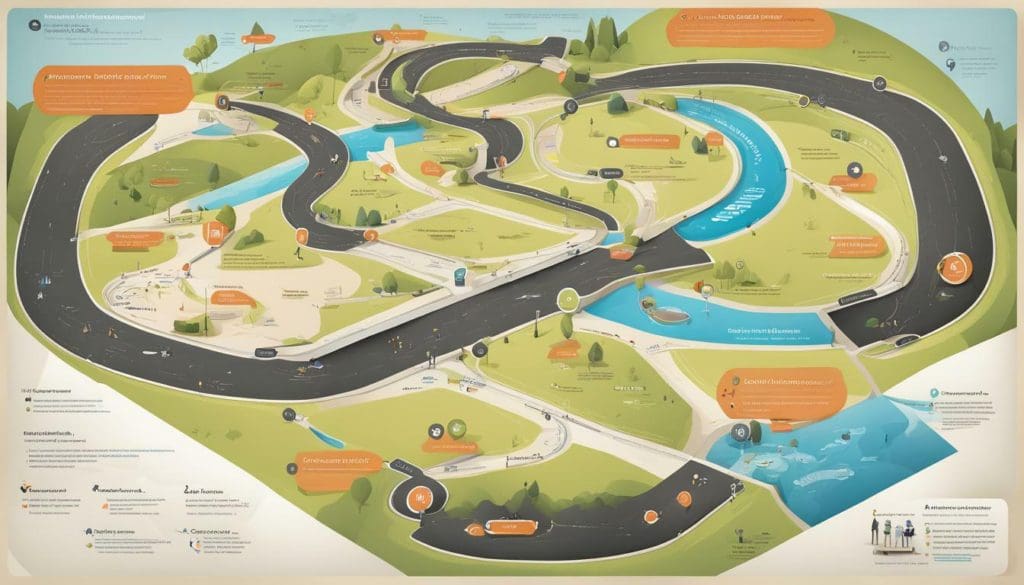
Your content strategy should provide a roadmap for your content creation, distribution, and optimization efforts. By aligning your strategy with the different stages of the buyer’s journey, you can create a consistent and engaging content experience that nurtures leads and drives conversions.
Mapping Content to the Awareness Stage
At the awareness stage, potential customers are searching for solutions to their problems. Your goal is to attract their attention and offer valuable content that addresses their pain points and needs. To optimize your content for this stage, you need to:
- Identify the most relevant keywords and topics for your target audience
- Create engaging and informative content that provides solutions to their problems
- Optimize your content for search engines by using relevant keywords and meta descriptions
- Offer free resources such as eBooks, guides, or webinars that provide value to your prospects
Remember that at this stage, potential customers are not yet ready to make a purchase. Your goal is to establish yourself as a thought leader and earn their trust by demonstrating your expertise and providing value through your content.

“Remember that at this stage, potential customers are not yet ready to make a purchase. Your goal is to establish yourself as a thought leader and earn their trust by demonstrating your expertise and providing value through your content.”
By mapping your content to the awareness stage of the buyer’s journey, you can attract potential customers and establish credibility early in the decision-making process. With the right content strategy in place, you can effectively engage your target audience and guide them through the different stages of the customer journey.
Mapping Content to the Consideration Stage
As potential customers move to the consideration stage of the buyer’s journey, they have a clearer understanding of their needs and are evaluating different options to fulfill them. Your content strategy should provide them with the information they need to make informed decisions.
Emphasize the benefits of your products or services by providing detailed product information, case studies, testimonials, and reviews. This will help them compare your offerings to competitors and see how your solutions can solve their pain points.
Address common objections by providing answers to frequently asked questions or comparing the benefits and drawbacks of different solutions. This can help potential customers overcome any hesitations they may have and move towards a purchase decision.
Create engaging and informative content that keeps potential customers interested and provides them with value. Consider using interactive elements such as quizzes, calculators, or personalized recommendations to help them explore different options.
Personalize content based on customer behavior and preferences. Use data such as previous purchases or website interactions to provide tailored recommendations and product suggestions.
Overall, mapping content to the consideration stage requires a deep understanding of your target audience and what information they need to make an informed decision. By providing the right content at the right time, you can move potential customers closer to a purchase decision and increase the effectiveness of your marketing strategy.
Mapping Content to the Decision Stage
At the decision stage, your potential customer is evaluating their options and deciding which product or service to choose. Your goal is to provide persuasive and compelling content that convinces them to choose your offering over your competitors.
One effective strategy is to create case studies or success stories that showcase the positive experiences of your happy customers. This type of content provides social proof and can help build trust with potential customers.
Another effective tactic is to create comparison content that highlights the unique benefits and advantages of your product or service compared to your competitors. This can help potential customers see why your offering is the better choice.
It’s important to also provide clear calls to action (CTAs) in your content at this stage. Your CTAs should be specific and encourage potential customers to take action, whether it’s contacting your sales team, signing up for a free trial, or making a purchase.

Creating Content for the Decision Stage
When creating content for the decision stage, keep in mind that potential customers may have questions or concerns that need to be addressed before they make a purchase. Consider creating content that directly addresses these common objections and provides clear answers and solutions.
Testimonials and reviews from satisfied customers can also be powerful tools at this stage. Make sure to include them in your content strategy and highlight the positive feedback and experiences of your customers.
Remember to keep your content aligned with the needs and preferences of your target audience. Personalization and relevance are key to driving conversions at the decision stage.
Enhancing User Experience through Content Mapping
Creating a personalized and engaging user experience can be a key differentiator in today’s market. By mapping your content to the buyer’s journey, you can deliver relevant and valuable information to potential customers at each stage of their journey, creating a seamless and enjoyable experience.
Personalization is especially important in the awareness stage, where potential customers are just beginning to research their options. By providing content that speaks directly to their needs and interests, you can capture their attention and keep them engaged throughout the rest of the journey.
| Tip: | One way to enhance user experience is by creating interactive content, such as quizzes or assessments, that allows users to engage with your brand on a deeper level. |
|---|
In the consideration stage, focus on providing detailed information that helps potential customers evaluate their options. This can include product comparisons, customer reviews, and case studies that demonstrate your expertise and value.
Finally, in the decision stage, provide persuasive and compelling content that convinces potential customers to choose your products or services over those of your competitors. This can include customer success stories, product demos, and special offers that incentivize a purchase decision.
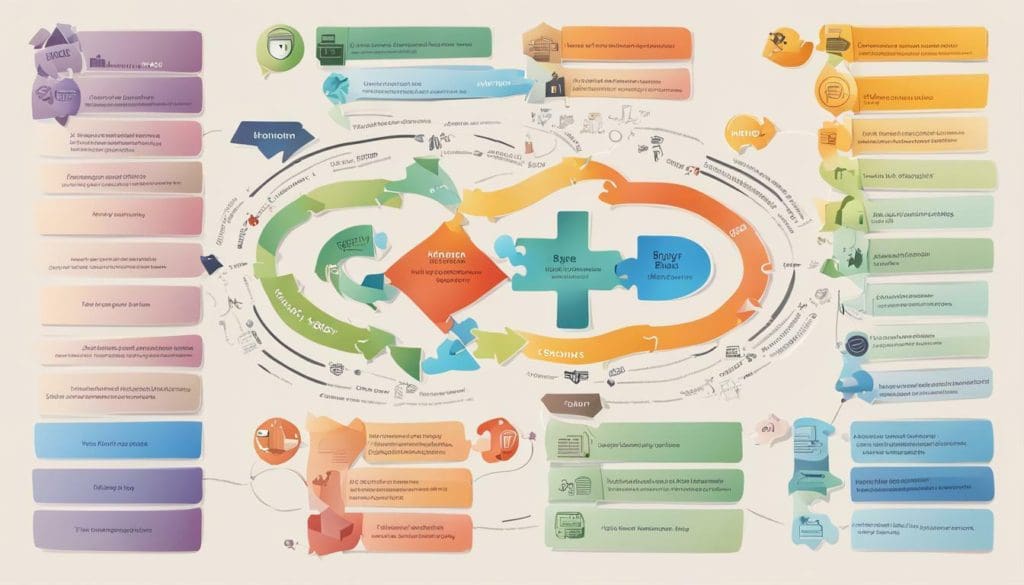
Remember, the goal is to create a user experience that feels natural and intuitive. By delivering the right content at the right time, you can build trust and credibility with potential customers, ultimately leading to increased conversions and revenue.
Optimizing Content for Search Engines
Optimizing your content for search engines is essential for improving your website’s visibility and attracting organic traffic. By mapping your content to the buyer’s journey, you can create targeted and relevant content that meets searchers’ needs. Here are some tips for optimizing your content:
- Research your target keywords: Use tools like Google Keyword Planner or SEMrush to identify high-value keywords relevant to your business and the buyer’s journey.
- Integrate keywords naturally: Incorporate your target keywords strategically throughout your content, including in your title, headers, meta description, and body copy. However, avoid keyword stuffing, which can harm your website’s ranking.
- Create high-quality content: Write informative and engaging content that provides value to your audience. Search engines prioritize high-quality content that answers searchers’ queries.
- Use descriptive URLs: Incorporate keywords into your URL structure to help search engines understand the topic of your content.
Remember, content optimization is an ongoing process. Regularly reviewing and updating your content can help to improve its search engine ranking and drive more traffic to your website.
Measuring and Analyzing Content Performance
One of the most important aspects of creating a successful content strategy is measuring and analyzing the performance of your content. By doing so, you can refine your marketing strategies and improve your ROI. Here are some key metrics and tools you can use to track your content effectiveness:
- Pageviews: This metric measures the number of times a page on your website has been viewed. It can help you gauge the popularity of your content and identify which topics are resonating with your audience.
- Click-Through Rate (CTR): This metric measures the percentage of clicks on a specific link or call-to-action. It can help you evaluate the effectiveness of your CTAs and identify which ones are driving conversions.
- Time on Page: This metric measures the amount of time a user spends on a specific page of your website. It can help you determine which pages are engaging your audience and which ones need improvement.
- Bounce Rate: This metric measures the percentage of visitors who navigate away from your website after viewing only one page. A high bounce rate can indicate that your content is not relevant or engaging enough.
There are several tools you can use to track and analyze your content performance, such as Google Analytics, SEMrush, and Moz. These tools can provide valuable insights into your audience’s behavior and interests, allowing you to make data-driven decisions about your content strategy.
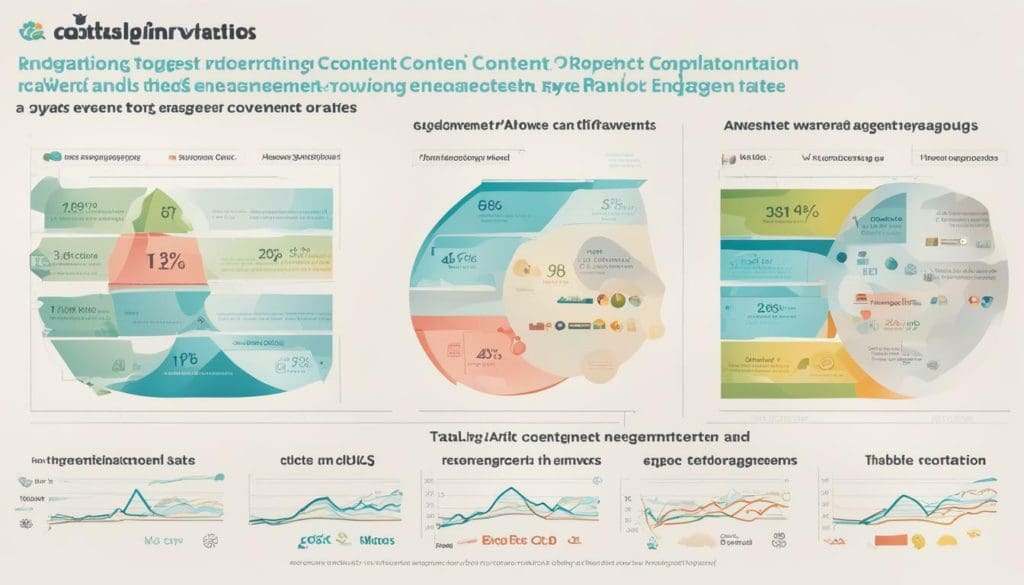
By regularly measuring and analyzing your content performance, you can refine your content strategy and ensure you are delivering valuable and engaging content at every stage of the buyer’s journey.
Conclusion
Congratulations! You now have a clear understanding of how to map your content to your buyer’s journey. By aligning your content to the different stages of the customer journey, you can create a seamless and engaging experience for your potential customers.
Remember to always keep your customer personas and target audience in mind when creating your content strategy. By doing so, you can deliver personalized and relevant content that resonates with your customers and ultimately drives business success.
Take Action Now
Now that you have learned the key strategies and techniques for mapping your content to your buyer’s journey, it’s time to take action. Review your current content strategy and make adjustments to ensure it aligns with the different stages of the customer journey. Implement the tips and strategies discussed in this article to optimize your content for maximum impact.
By adapting your content strategy to align with your buyer’s journey, you can enhance user experience, improve search engine rankings, and ultimately drive business success. So what are you waiting for? Get started today!
FAQ
Q: What is content mapping?
A: Content mapping is the process of aligning your content with the different stages of the buyer’s journey. It involves understanding your target audience and creating content that addresses their needs and challenges at each stage, from awareness to consideration to decision.
Q: Why is content mapping important?
A: Content mapping is important because it ensures that your content is relevant and valuable to your audience. By mapping your content to the different stages of the buyer’s journey, you can attract and engage potential customers, guide them through the decision-making process, and ultimately drive conversions and sales.
Q: How do I create a content strategy?
A: To create a content strategy, start by defining your target audience and understanding their needs and preferences. Then, identify the different stages of the buyer’s journey and map your content to each stage. Finally, develop a plan for creating and distributing your content, and regularly evaluate and adjust your strategy based on data and feedback.
Q: How can I optimize my content for the awareness stage?
A: To optimize your content for the awareness stage, focus on creating content that raises awareness about your brand, products, or services. Provide valuable information and resources that help your audience identify their challenges and needs. Use engaging and compelling messaging to capture their attention and encourage further exploration.
Q: What types of content are effective for the consideration stage?
A: In the consideration stage, your audience is actively evaluating their options. To effectively map content to this stage, provide in-depth product or service information, comparison guides, case studies, customer reviews, and testimonials. Help your audience understand how your offerings meet their specific needs and why they should choose you over your competitors.
Q: How can I create persuasive content for the decision stage?
A: For the decision stage, create content that highlights the unique value and benefits of your products or services. Use compelling calls-to-action and offers that incentivize your audience to take the next step and make a purchase. Provide clear and detailed information about pricing, guarantees, and any additional incentives or bonuses.
Q: How does content mapping enhance user experience?
A: Content mapping enhances user experience by delivering personalized and relevant content to your audience at each stage of their buyer’s journey. By understanding their needs and preferences, you can provide them with the information and resources they need to make informed decisions. This creates a seamless and engaging user experience that builds trust and loyalty.
Q: How can I optimize my content for search engines?
A: To optimize your content for search engines, conduct keyword research and incorporate relevant keywords throughout your content. Use descriptive meta tags, optimize your headings and subheadings, and ensure your content is well-structured and easy to read. Additionally, focus on providing high-quality and valuable content that naturally attracts links and shares from other websites.
Q: How do I measure and analyze content performance?
A: To measure and analyze content performance, use analytics tools to track key metrics such as page views, time on page, bounce rate, and conversion rates. Set goals and benchmarks for your content, and regularly review and analyze the data to identify trends and insights. Use this information to make data-driven decisions and refine your content strategy.
Q: Why is content mapping important for marketing success?
A: Content mapping is important for marketing success because it ensures that your content is targeted, relevant, and valuable to your audience. By aligning your content with the buyer’s journey, you can attract and engage potential customers, guide them through the decision-making process, and ultimately drive conversions and sales. Content mapping helps you deliver a seamless and personalized user experience that builds trust and loyalty.
