The art arena is experiencing a stirring wake from a tech-savvy newcomer: artificial intelligence (AI). This exhilarating technology captivates spectators with masterpieces like its AI-crafted artwork featured in the linked video and recalibrates our perception of creativity.
As more intellectual minds delve into AI development, we are starting to unravel AI’s potential to paint transformative strokes across the canvas of the art world. Yet, this swift progression sparks debates regarding AI’s monopolization and widespread availability. Probing the repercussions of AI on the art world is a conversation we should delve into judiciously.
Look no further than the escalating number of enthusiasts enrolling in AI classes and thronging AI conferences, which have witnessed a twofold increase in attendance each year.
The ultimate victory lies in democratizing AI technology, preventing its monopoly under a handful of companies or individuals – a potentially precarious situation. As AI continues to weave itself into the fabric of the art world, it becomes imperative to understand its potential and the ramifications of its broad adoption. With more and more people investing their time studying AI, we may soon see AI-based artistry as commonplace.
But, it’s essential to deliberate the merits and pitfalls of such democratization. Are we enabling progress or merely opening an avenue for a select few to control its growth? Incorporating AI in arts warrants comprehensive discussion and scrutiny to ensure its assimilation into the art world proceeds prudently and consciously.
Understanding the Impact of AI on the Art World
Definition of AI in the context of art
AI, or Artificial Intelligence, is the simulation of human intelligence in machines programmed to think and learn like humans. In the art context, AI is utilized to create, analyze, and explore various forms of artwork. It involves algorithms and techniques that enable machines to generate artistic pieces, imitate existing styles, and understand the aesthetics of art. AI in art is not about replacing human artists but expanding creative possibilities by combining human imagination with machine-generated outputs.
Brief history of AI in art
The history of AI in art can be traced back to the 1960s when early attempts were made to develop computer programs that could generate art. One notable example is the algorithmic art created by the artist and computer scientist Harold Cohen using his AARON program. This program could generate original artwork by following certain rules and algorithms.
However, it was not until recent years that AI in art gained significant attention and advancements. With the rise of machine learning and deep learning techniques, artists and researchers started exploring the potential of AI in generating art that can rival human creations. This led to the emergence of various AI-based tools and platforms that enable artists to collaborate with machines in the creative process.
Understanding the techniques used by AI in creating art
AI utilizes several techniques to create art. One of the common approaches is known as Generative Adversarial Networks (GANs). GANs consist of two neural networks: a generator and a discriminator. The generator network generates new art pieces, while the discriminator network evaluates their quality. These networks compete with each other, continually improving their performance.
Another technique used in AI art creation is style transfer. Style transfer algorithms analyze the content and style of existing artworks and then generate new images that combine the content of one image with the style of another. This technique allows artists to create unique pieces inspired by the styles of renowned artists or specific art movements.
Additionally, AI algorithms can also be used for image recognition and analysis. By analyzing vast amounts of visual data, AI can learn to identify patterns, colors, and composition elements commonly found in artworks. This understanding of aesthetics helps AI systems generate art that aligns with human perception and preferences.
The Role of AI in the Art Creation Process
How AI is used in creating artworks
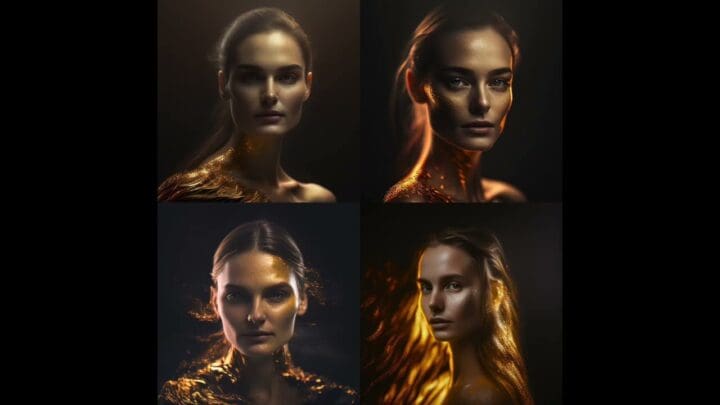
AI is used in various ways during the art creation process. Artists can use AI tools and algorithms to generate initial ideas and concepts. By inputting specific parameters or styles, AI algorithms can produce a range of options that artists can further explore and refine.
AI can also be utilized to assist in the execution of artistic ideas. For instance, an artist may require assistance rendering complex patterns or details in a large-scale artwork. AI algorithms can analyze the artist’s input and generate the necessary patterns or details, allowing artists to focus on the creative process.
Furthermore, AI can be an integral part of the collaboration between human artists and machines. Artists can train AI models to imitate their unique style, allowing them to delegate certain tasks to the AI system while maintaining their artistic vision and control.
Comparing human-created and AI-created art
While AI-created art has garnered attention and acclaim, it is essential to recognize the distinctions between human-created and AI-created art. Human art is often driven by the artist’s emotions, experiences, and unique perspectives. It reflects the human condition and the depth of human creativity. On the other hand, AI-created art is based on algorithms and data analysis, lacking the subjective and emotional aspects that distinguish human art.
However, AI-created art also brings new perspectives and possibilities. It can generate artworks that transcend human limitations and explore unconventional styles, pushing the boundaries of creativity. AI can offer novel combinations of aesthetics and provoke thought-provoking discussions about the nature of art.
The science behind AI art creation
The science behind AI art creation utilizes machine learning algorithms and neural networks. Machine learning algorithms train AI models using large datasets of existing artworks, enabling the AI system to learn and imitate various artistic styles. Neural networks, inspired by the functioning of the human brain, process inputs and generate outputs based on the learned patterns and rules.
Deep learning models, a subset of machine learning, have been instrumental in advancing AI in art creation. Deep neural networks can extract complex features from images, understand the underlying patterns, and generate new images based on those patterns. These models can learn from vast repositories of artworks to understand artistic techniques, genres, and styles.
Examples of art pieces created by AI
AI-generated art has produced notable pieces that have captivated audiences worldwide. One prominent example is “Portrait of Edmond de Belamy,” an artwork created by the GAN algorithm developed by the research group Obvious. This artwork was the first AI-generated piece to be auctioned at Christie’s and fetched a substantial price, sparking debates and discussions about the nature of creativity and authorship.
Another remarkable example is the collaborative project between artist Mario Klingemann and Google Arts and Culture, known as “Memories of Passersby I.” This project utilized AI to generate multimedia art installations by analyzing vast archives of art history. The AI system created captivating, immersive experiences that merged familiar art elements with novel interpretations.
These examples demonstrate the potential of AI in generating unique and intriguing artworks that challenge conventional artistic approaches.
Democratization of AI in Art
Understanding the concept of democratization in AI art
The concept of democratization in AI art refers to the broad accessibility and availability of AI technologies and tools to artists, creators, and the general public. It aims to remove barriers and allow anyone interested in art to explore and experiment with AI-based artistic techniques. Democratization enables a more inclusive and diverse art community, expanding creative possibilities for artists and challenging traditional notions of art creation.
The impact of AI democratization on the art industry
The democratization of AI in art has profoundly impacted the art industry. It has opened up new avenues for artists to experiment, collaborate, and express themselves. Artists can now leverage AI tools and platforms to enhance their creative process, generate novel ideas, and explore unconventional artistic styles.
Furthermore, democratization has facilitated the emergence of a vibrant online community of AI artists. Artists can now share their AI-generated artworks through social media platforms and virtual galleries, instantly reaching a global audience. This has increased artists’ exposure and encouraged a more inclusive art ecosystem.
Examples of AI democratization in art
Several platforms and initiatives have played a significant role in democratizing AI in art. One such platform is Runway ML, which provides accessible AI tools specifically designed for artists and designers. Through a user-friendly interface, artists can experiment with AI techniques and integrate them seamlessly into their artistic practice.
Another notable initiative is the Google Arts and Culture Lab, which has developed AI-powered tools that allow users to explore and engage with art in new ways. These tools enable users to create personalized art experiences using AI algorithms to analyze their preferences and generate custom recommendations.
These examples highlight the efforts made to make AI in art more accessible and inclusive, empowering artists and art enthusiasts to explore the possibilities of AI-driven creativity.
The Influence of AI on Art Aesthetics
Redefinition of aesthetic values in art through AI
AI has redefined aesthetic values in art by challenging traditional notions of what is beautiful or aesthetically pleasing. By analyzing vast amounts of artistic data, AI can recognize patterns and preferences previously unnoticed or overlooked. This introduces new perspectives and aesthetics into the artistic landscape, expanding the range of what is considered aesthetically valuable.
Furthermore, AI-based techniques such as style transfer and generative algorithms can create unique combinations of styles and elements that challenge conventional artistic categories and genres. These AI-generated artworks often blend elements from different art movements, eras, and cultures, blurring the boundaries and pushing the limits of traditional aesthetics.
The impact of AI on the perception of art
AI has had a significant impact on the perception of art. It has introduced new ways of interacting with and interpreting artworks. AI-powered tools and platforms allow users to analyze and explore art in unprecedented detail, providing unique insights into the artistic process and the underlying elements contributing to an artwork’s aesthetic appeal.
AI also enables users to personalize their art experiences based on their preferences. By analyzing user data and generating tailored recommendations, AI algorithms can guide individuals toward artworks that align with their tastes. Customizing art experiences enhances user engagement and fosters a deeper appreciation for diverse artistic styles.
AI’s role in the evolution of art aesthetics
AI is playing a transformative role in the evolution of art aesthetics. As AI algorithms advance, they can generate increasingly sophisticated and compelling artworks. This challenges artists to reconsider their creative approaches and experiment with AI as a tool for exploring new aesthetics.
AI’s ability to recognize patterns and preferences allows artists to gain insights into the evolving tastes and trends in art. This understanding of the current artistic landscape enables artists to create works that resonate with contemporary audiences and reflect the ever-changing nature of art aesthetics.
The interplay between AI and human artists leads to exciting collaborations and artistic endeavors that combine traditional artistic values with innovative approaches. The evolution of art aesthetics through AI showcases the potential for continuous artistic growth and experimentation.
Art Curation and AI
The use of AI in art curation
AI has found its place in art curation, transforming how artworks are selected, organized, and presented to audiences. AI algorithms can analyze vast collections of artworks and categorize them based on various criteria, such as style, genre, or historical context. This allows curators to explore and identify connections and patterns within the art world, leading to curated exhibitions that are both cohesive and thought-provoking.
Moreover, AI algorithms excel at analyzing user data and preferences. By leveraging this information, AI can enhance curation by tailoring exhibitions to individual visitors’ interests. AI-powered recommendation systems can guide visitors through an exhibition, suggesting artworks that align with their preferences and enriching their understanding of the curated collection.
The impact of AI on curators and art galleries
The integration of AI in art curation has significantly impacted curators and art galleries. AI algorithms can assist curators in managing large collections, providing insights into lesser-known artworks and facilitating a more comprehensive understanding of the entire collection. This enables curators to uncover hidden gems and present diverse artworks to the public.
Additionally, AI technology has extended the reach and accessibility of art collections. Virtual exhibitions and online platforms powered by AI algorithms allow art galleries to showcase their collections to a global audience, transcending physical limitations. This increased exposure has led to a broader appreciation for various art forms and fostered greater general engagement with art.
Case studies of AI in art curation
Initiatives like the Google Arts and Culture platform exemplify the use of AI in art curation. This platform leverages AI algorithms to analyze vast collections of artworks from museums and galleries worldwide. The platform provides curated virtual exhibitions showcasing global art’s richness and diversity by categorizing artworks based on style, theme, and historical context.
Another notable example is the Artrendex platform, which utilizes AI algorithms to curate and recommend artworks based on user preferences. The platform can generate personalized recommendations by analyzing user interactions with specific artworks and creating customized art experiences catering to diverse artistic tastes.
These case studies highlight the potential for AI to revolutionize art curation, enabling curators and art galleries to engage with audiences on a deeper level and present art in more engaging and accessible ways.
AI in Art Authentication and Valuation
AI’s role in detecting art fraud
AI has emerged as a powerful tool in detecting art fraud, a pervasive issue in the art market. AI algorithms can analyze and compare vast amounts of data, including historical records, provenance, and technical details. By detecting inconsistencies, anomalies, or patterns indicative of forgery, AI systems can provide invaluable assistance in the authentication process.
Additionally, AI algorithms can assess the style, technique, and materials used in artworks to determine their authenticity. AI can identify discrepancies that may indicate forgery by comparing an artwork with authenticated examples and known artistic patterns.
Overall, AI has the potential to streamline the authentication process, enhancing its efficiency and accuracy. By combining data analysis and machine learning techniques, AI systems can provide enhanced support to experts and facilitate more robust art authentication procedures.
How AI can help in art valuation
Art valuation is a complex process influenced by various factors such as artistic merit, rarity, historical significance, and market demand. AI can contribute to art valuation by analyzing vast sales data and comparing prices across auction houses and art markets. By identifying key trends, AI algorithms can provide insights into the relative value of specific artworks or artists.
Furthermore, AI can assess factors that impact an artwork’s value, such as an artist’s reputation, exhibition history, and critical acclaim. By analyzing how these factors affect sales prices, AI algorithms can generate predictive models that estimate the future value of artworks or artists.
AI can also assist in valuing digital and AI-generated art, which often lacks a traditional market framework. By examining factors such as the artist’s prominence, the uniqueness of the algorithm used, and the historical significance of the artwork, AI can provide valuation estimates for this emerging art form.
Impact of AI on the art market
The integration of AI in art authentication and valuation has profoundly impacted the art market. AI’s ability to provide objective and data-driven insights helps address issues of authenticity and trust. This, in turn, enhances market transparency and confidence among buyers and sellers.
AI has also impacted the dynamics of art pricing. AI can clarify the art market’s pricing mechanisms by analyzing extensive sales data and identifying trends and patterns. This enables buyers and sellers to make informed decisions and negotiate more effectively.
Furthermore, the emergence of AI-generated art presents unique challenges and opportunities for the art market. AI-generated art blurs the line between “original” and “copy,” challenging existing art ownership and value concepts. The art market must grapple with new considerations and develop appropriate frameworks to navigate this evolving landscape.

The Controversies around AI and Art
The debate over authorship in AI-created art
AI-created art has ignited a debate surrounding authorship and the role of human artists in the creative process. While AI algorithms generate the artwork, they do so based on training data created by human artists. This raises questions about who should be credited as the author of the artwork.
Some argue that the human artist who developed and trained the AI system should be considered the author, as they imbued the AI with their artistic vision and expertise. Others argue that the AI should be recognized as the author, given its role in generating the final artwork.
This debate reflects the evolving nature of creativity and challenges traditional definitions of authorship. It calls for reevaluating existing copyright and intellectual property frameworks to accommodate the complexities of AI-generated art.
Ethical considerations of AI in art
AI in art raises ethical considerations regarding originality, cultural appropriation, and exploitation. AI algorithms can imitate specific artistic styles or replicate famous artworks, potentially diminishing original works’ value and cultural significance. This poses challenges in attributing appropriate credit and recognition to human artists.
Additionally, AI-generated art can inadvertently perpetuate biases embedded in training data, producing discriminatory or offensive content. While AI algorithms aim to imitate human creativity, they lack the critical thinking and ethical judgment that human artists possess. This requires careful scrutiny and oversight to ensure that AI-generated art does not infringe upon ethical boundaries.
Artists, policymakers, and society must grapple with these ethical questions and engage in critical discussions to establish guidelines and frameworks that address the complexities of AI in art.
The challenge of AI to traditional definitions of art and creativity
The integration of AI in art challenges traditional definitions of art and creativity. AI-generated artworks often defy conventional artistic categories and styles, blurring the boundaries between artistic movements and movements. This prompts questions regarding the nature of creativity and the role of human artists in the face of machine-driven art generation.
AI’s ability to generate art that resonates with diverse audiences challenges the exclusivity and elitism associated with traditional art circles. It opens up new possibilities for artistic expression and challenges established norms.
The impact of AI on traditional definitions of art and creativity highlights the need for ongoing discussions and critical reflections on the evolving nature of artistic practice. It invites artists, scholars, and society to explore new horizons and embrace the opportunities presented by AI in art.
Technological Advancements Supporting AI in Art
Role of data and machine learning in art
Data and machine learning play a significant role in advancing AI in art. Data sets of thousands of artworks provide the foundation for AI algorithm training. By analyzing the data, AI algorithms can learn patterns, styles, and compositions that contribute to the aesthetic appeal of art.
Machine learning algorithms enable AI to improve over time by iteratively analyzing data and refining their generated outputs. As algorithms interact with more data, their ability to imitate artistic techniques and create compelling artworks improves.
Moreover, the availability of large-scale computing power and cloud infrastructure has accelerated the development and deployment of AI in art. The processing capabilities of modern machines allow AI algorithms to analyze extensive datasets and generate high-quality art in real-time.
Future possibilities with advanced technologies
Advancements in AI and related technologies hold exciting possibilities for the future of AI in art. As AI algorithms continue to evolve, they may be capable of generating art that is indistinguishable from human-created art. This raises questions about the uniqueness and authenticity of AI-generated artworks and challenges our perceptions of artistic authorship.
Furthermore, emerging technologies such as virtual reality (VR) and augmented reality (AR) can enhance the immersive and interactive aspects of AI-generated art. VR and AR platforms can enable viewers to engage with AI art in novel ways, allowing them to explore art installations or even step into virtual art galleries.
Additionally, advancements in robotics and automation may enable AI systems to create physical artworks, blurring the boundaries between traditional art forms and technological innovation. This opens new possibilities for interdisciplinary collaborations and integrating AI-generated art into physical art exhibitions.
Limitations in current technologies for AI in art
While AI has made significant strides in art, it still faces limitations. AI algorithms are reliant on the quality and diversity of training data. Biases embedded in training data can be replicated in AI-generated art, perpetuating existing inequalities and excluding underrepresented perspectives and styles.
Moreover, AI-generated art often lacks the emotional depth and human connection that characterizes human-created art. AI algorithms are not capable of experiencing emotions or imbuing their creations with profound personal experiences. They are limited to replicating existing styles and patterns rather than exhibiting originality from human experiences.
Furthermore, the interpretability of AI-generated art poses a challenge. AI algorithms often lack explanations for their creative processes, making it difficult to understand the reasoning behind their generated outputs. This can hinder critical analysis and thoughtful engagement with AI-generated artworks.
Addressing these limitations requires ongoing research, development, and ethical considerations to ensure AI’s balanced and inclusive integration in art.

AI Art Education and Training
Importance of AI learning in art education
Incorporating AI learning into art education is increasingly crucial in preparing future artists and creators. AI plays an essential role in contemporary art, and artists should possess the skills and knowledge to leverage AI tools and techniques effectively.
AI learning in art education provides students with an understanding of AI’s capabilities and ethical implications in art. It equips students with the ability to utilize AI tools to expand their artistic practice, experiment with novel techniques, and push the boundaries of traditional artistic approaches.
Moreover, AI learning fosters interdisciplinary collaboration, encouraging students to work alongside computer scientists, engineers, and experts in the field. This interdisciplinary approach encourages the exchange of ideas and the exploration of new creative possibilities.
Opportunities and challenges for students studying AI and Art
Students studying AI and art are presented with unique opportunities and challenges. On the one hand, AI opens up new avenues for creative expression, enabling students to explore unconventional artistic styles and push the boundaries of traditional artistic practices. AI can enhance their artistic skills and enable them to create innovative artworks that resonate with contemporary audiences.
On the other hand, students face the challenge of understanding the complexities and ethical considerations associated with AI in art. They must navigate the ever-evolving landscape of technology and grapple with questions surrounding authorship, originality, and intellectual property. Balancing ethical considerations while embracing the potential of AI poses a unique challenge for students studying AI and art.
Role of academic institutions in promoting AI in art
Academic institutions play a crucial role in promoting AI in art by incorporating AI learning into their art curricula. By offering courses on AI and art, institutions empower students to develop skills and knowledge relevant to the contemporary art world. These courses can cover topics such as AI-based art creation, the ethics of AI in art, and the impact of AI on art aesthetics.
Furthermore, academic institutions can foster interdisciplinary collaborations and partnerships between art and technology departments. By facilitating cross-disciplinary interactions, institutions encourage innovation and provide students with opportunities to explore the potential of AI in art.
In addition to formal education, institutions can organize workshops, exhibitions, and conferences that bring together artists, researchers, and industry professionals to share insights, collaborate, and push the boundaries of AI in art further.
Conclusion
AI has significantly impacted the art world, revolutionizing the creative process, challenging traditional notions of art and authorship, and transforming how artworks are curated, valued, and presented. Through AI, artists have gained new tools and techniques that expand their creative possibilities and challenge their artistic practice.
The democratization of AI in art has made this technology accessible to artists and enthusiasts worldwide, fostering a more inclusive and diverse art community. AI has opened up new perspectives in art aesthetics, redefining what is considered beautiful and valuable. However, it raises ethical considerations and challenges our understanding of art’s fundamental nature.
Integrating AI in art authentication and valuation has enhanced market transparency and accuracy. AI algorithms assist in identifying art fraud and provide insights into art market trends. Still, challenges regarding authorship and the valuation of AI-generated art persist.
As technology advances and AI algorithms become more sophisticated, the future of AI in art holds exciting possibilities. However, navigating these advancements with critical reflection and ethical considerations is essential to ensure an inclusive, equitable, and thought-provoking future for AI in the art industry.
