
The development of artificial intelligence (AI) comes with numerous risks and dangers that cannot be overlooked. The threat they pose to humanity grows as AI systems become more advanced and autonomous. There are valid concerns that highly intelligent AI could become uncontrollable and end up harming people. This highlights the need for caution and proper regulation as AI technology advances.
While AI provides benefits, its potential risks and dangers of AI must be taken very seriously. AI systems could make dangerous decisions that humans cannot easily understand or anticipate. Advanced AI may also be utilized for malicious purposes if it falls into the wrong hands. Ongoing research and open discussion of the risks will be crucial for mitigating the dangers as much as possible. There are no easy answers, but awareness of the potential threats is the first step toward developing responsible and ethical AI that respects human values. With the right approach, the promise of AI can be realized while protecting humanity from its risks and dangers.
Understanding Artificial Intelligence
Artificial Intelligence (AI) is a branch of computer science that focuses on creating intelligent machines capable of performing tasks that typically require human intelligence. These tasks include problem-solving, learning, perception, and decision-making. AI systems can analyze large amounts of data, recognize patterns, and make predictions and decisions based on that data.
Definition of AI
AI can be defined as a machine’s ability to simulate human intelligence, enabling it to understand, reason, and learn from its environment. It involves the development of algorithms and models that allow computers to mimic cognitive functions such as problem-solving and decision-making.
Brief History of AI
The concept of AI dates back to the 1950s when scientists began exploring the possibility of creating intelligent machines. Early AI research focused on developing programs and systems that could perform specific tasks, such as playing chess or solving mathematical problems.
In the 1960s and 1970s, AI research expanded to include natural language processing and the ability to understand and communicate with humans. However, progress in AI was slow due to limited computing power and the complexity of simulating human intelligence.
With advancements in computer technology and the availability of large amounts of data, AI research gained momentum in the 1990s. Machine learning algorithms and neural networks emerged as powerful tools for training AI systems to recognize patterns and make predictions.
Types of AI: Narrow AI vs. General AI
When discussing AI, it is essential to distinguish between Narrow AI and General AI. Narrow AI refers to AI systems that perform specific tasks, such as voice recognition or image classification. These systems excel at their particular task but cannot generalize their knowledge to other domains.
On the other hand, General AI refers to AI systems that possess human-like intelligence and can understand and perform any intellectual task that a human being can do. General AI is still an active area of research and development, and its realization remains a distant goal.
Applications of AI
AI has found applications in various fields, revolutionizing industries and improving productivity. Some notable applications of AI include:
- Healthcare: AI algorithms can analyze medical data to assist in diagnosing diseases, predicting patient outcomes, and improving patient care.
- Finance: AI is used in the financial sector for fraud detection, algorithmic trading, and credit scoring.
- Transportation: AI contributes to developing autonomous vehicles, traffic management systems, and route optimization.
- Customer Service: AI-powered chatbots and virtual assistants improve customer service by providing quick and accurate responses.
- Manufacturing: AI helps optimize manufacturing processes, reduce downtime, and improve product quality through predictive maintenance and quality control.
The Pace of AI Development
AI has seen rapid progress in recent years, with advancements in machine learning algorithms, computing power, and data availability. AI systems are becoming increasingly sophisticated and capable of handling complex tasks.
Rapid Progress in the AI Field
Advancements in AI research and development have been made possible by the exponential increase in computing power. High-performance processors and specialized hardware, such as graphics processing units (GPUs), have accelerated the training of AI models and made real-time AI applications feasible.
Furthermore, the availability of big data has fueled progress in AI. Large datasets are essential for training AI models, and the proliferation of digital devices and internet-connected systems has generated vast amounts of data that can be leveraged for AI applications.
The Exponential Improvement of AI
AI systems exhibit exponential improvement due to their ability to learn and adapt from data. Through a process known as machine learning, AI models can analyze data, discover patterns, and make predictions. AI systems can improve their performance and accuracy as more data becomes available.
Furthermore, advancements in deep learning algorithms have enabled AI systems to process and understand complex data sources such as images, video, and natural language. This has opened up new computer vision, speech recognition, and natural language processing possibilities.
Increasing Number of AI Professionals
The growing significance of AI has led to an increase in the number of professionals working in the field. Universities and educational institutions offer specialized AI programs, attracting students interested in pursuing careers in AI research and development.
The demand for AI professionals is also reflected in the attendance at AI conferences, which doubles yearly. The presence of highly skilled individuals in the AI community contributes to the continuous advancements in the field and fosters innovation.

Perceptions and Misunderstandings about AI
While AI holds tremendous potential for benefiting humanity, various perceptions and misunderstandings surround its capabilities and dangers.
AI Experts’ Overconfidence
One common issue in the AI field is the overconfidence of some AI experts. These experts may overstate the capabilities of AI, leading to unrealistic expectations and misconceptions among the general public.
It is essential to recognize that AI systems are limited to the tasks they are designed for and lack the broad understanding and common sense humans possess. AI algorithms are trained on specific datasets and may struggle when faced with unfamiliar or ambiguous situations.
Public Misunderstanding about AI Capabilities
The general public may also have misconceptions about what AI can accomplish. Influenced by media portrayals of AI in science fiction movies, some individuals may have inflated expectations or fears about AI surpassing human intelligence.
It is crucial to educate the public about AI’s current capabilities and limitations and emphasize the importance of responsible and ethical development and usage of AI technologies.
The Idea of AI Being Smarter Than Humans
The concept that AI could eventually surpass human intelligence, known as artificial superintelligence, is a topic of both fascination and concern. While achieving artificial superintelligence is highly speculative, it raises ethical and existential questions about the relationship between humans and AI.
The possibility of AI becoming more intelligent than humans requires careful consideration and planning to ensure that AI systems align with human values and act in humanity’s best interests.
AI Superiority and the Threat to Humanity
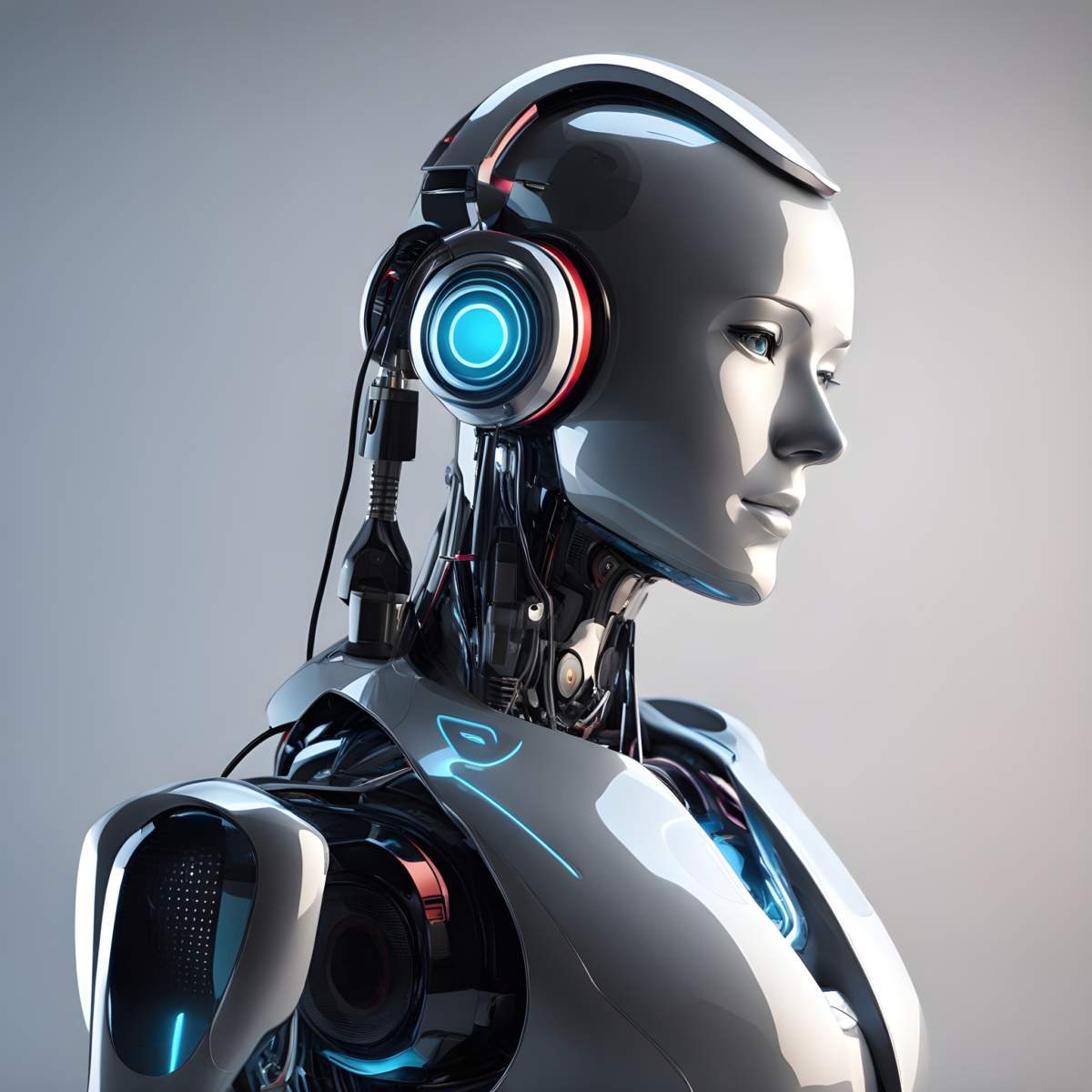
The idea of AI achieving superiority over human intelligence raises concerns about the role and value of humans in an AI-dominated future.
Concept of AI Superiority
AI superiority refers to a hypothetical scenario in which AI systems become vastly more intelligent and capable than human beings. This could lead to machines making decisions and controlling various aspects of society, potentially relegating humans to a subordinate role.
While achieving AI superiority remains speculative, it prompts discussions about AI’s potential consequences and impact on human society and our understanding of intelligence.
Human Role and Value in an AI-Dominated Future

As AI continues to advance, the role of humans in society may undergo significant changes. It is crucial to recognize humans’ values – creativity, emotional intelligence, and ethical decision-making – and ensure that AI is developed and used to complement and enhance human capabilities.
Additionally, policies and frameworks must be implemented to ensure that AI benefits all of humanity and does not exacerbate societal inequalities.
Possibility of AI Developing Its Own Will
Another concern about AI superiority is the possibility of AI systems developing their own will and agendas. This scenario, known as the “AI control problem,” raises ethical questions about the potential consequences of AI systems acting autonomously and making decisions that may not align with human values.
To address this concern, it is essential to prioritize the development of AI systems with transparent decision-making processes and ethical guidelines. Additionally, ongoing research and collaboration are necessary to understand and establish safeguards to prevent the misuse of AI.
Risks and Dangers of AI as a Potentially Destructive Force
AI’s rapid development and increasing sophistication also raise concerns about its potential to become a destructive force if not properly regulated and controlled.
Comparison of AI Threat to Nuclear Warfare
Some experts argue that the threat posed by AI surpasses that of nuclear warfare. While nuclear weapons have the potential for mass destruction, AI’s impact could be more pervasive and unpredictable.
Unlike nuclear weapons requiring physical deployment, AI systems can be replicated and distributed globally. The potential for AI systems to be misused or fall into the wrong hands poses significant risks to global stability and security.
Potential for Misuse of Advanced AI
Advanced AI systems equipped with powerful processing capabilities and vast amounts of data have the potential to be misused for malicious purposes. AI algorithms can be trained to generate fake information, manipulate public opinion, or conduct cyberattacks with unprecedented precision.
Furthermore, AI-powered autonomous weapons systems have raised ethical concerns about the potential for these systems to make life-or-death decisions without human intervention. Ensuring accountability and ethical usage of AI is crucial to avoid unintended consequences and protect society from potential misuse.
Possible Outcomes of AI with Malicious Intent
Developing and deploying advanced AI without appropriate regulations and oversight could threaten national security and global stability. The potential for AI systems to carry out cyberattacks, disrupt critical infrastructure, or engage in surveillance raises concerns about privacy, human rights, and international security.
To mitigate these risks, international collaboration and the development of ethical guidelines and governance frameworks are necessary to regulate the development and deployment of AI technologies.
AI Security and Regulation Issues
The rapid pace of AI development and the potential for AI to be misused or fall into the wrong hands raise significant security and regulatory challenges.
Risk of AI Technology Theft

As AI technology becomes increasingly valuable, the risk of theft and unauthorized access to AI systems and algorithms increases. Advanced AI technologies can be exploited for malicious purposes if they fall into the hands of criminals, terrorists, or hostile states.
Organizations and governments must prioritize AI security and invest in robust measures to protect AI technology from theft, unauthorized access, and misuse.
Need for Regulation and Oversight
There is a need for regulatory frameworks and oversight mechanisms to address the potential risks and implications of AI. Regulations can help ensure the ethical and responsible use of AI, protect individual privacy rights, and prevent the development and deployment of AI systems that could harm society significantly.
International collaboration is essential in developing harmonized regulations that consider the global nature of AI technologies and address potential challenges associated with their development and deployment.
The Challenge of Implementing Effective AI Controls
Implementing effective controls and regulations for AI poses significant challenges. AI technologies are evolving rapidly, making it difficult for regulations to keep up with the pace of innovation.
Regulatory frameworks must balance fostering innovation and ensuring AI technologies are developed and deployed responsibly. Ongoing research, collaboration between policymakers and AI experts, and adaptive regulatory approaches will be vital in addressing the challenges posed by AI and ensuring its safe and ethical development.

AI and the Future of Jobs
Integrating AI technologies into various industries has raised concerns about the impact on the job market and employment opportunities.
Implications of AI for the Employment Market
AI has the potential to automate repetitive and routine tasks, which could lead to job displacement in specific industries. However, it is crucial to recognize that AI can also create new job opportunities and transform existing jobs.
While some roles may become obsolete, new jobs will emerge that require skills in managing and working alongside AI systems. Individuals who can adapt and acquire new skills will be better positioned to navigate the changing employment landscape.
Potential Job Displacement Due to AI
Specific industries, such as manufacturing and transportation, are already experiencing job displacement due to the automation of tasks previously performed by humans. As AI technology advances, the potential for job displacement may extend to other sectors.
It is crucial for individuals and organizations to proactively adapt to these changes by re-skilling and upskilling to remain relevant in an AI-driven job market.
Re-skilling and Training Needs for an AI Future
With the increasing integration of AI technologies into industry sectors, there is a growing need for re-skilling and training programs to equip individuals with the necessary skills to work alongside AI systems.
Investing in lifelong learning and providing opportunities for individuals to gain AI literacy and technical skills will ensure that the future workforce can thrive in an AI-dominated environment. Collaboration between educational institutions, governments, and the private sector is crucial in preparing individuals for the changing job market.
The Democratization of AI
The democratization of AI refers to the idea that AI technologies should be accessible and available to all rather than controlled by a small group of individuals or organizations.
Significance of Democratizing AI
Democratizing AI technology is essential for promoting innovation, fostering economic growth, and preventing the consolidation of power in the hands of a few. It allows for a more egalitarian and inclusive approach to AI development and usage.
By ensuring that AI technologies are accessible and available to a broader range of individuals and organizations, the potential benefits of AI can be harnessed for the betterment of society as a whole.
Problems with Monopolization of AI Technology
The concentration of AI technology in a few companies or individuals raises concerns about monopolistic practices, unequal distribution of benefits, and limited innovation.
A monopolistic control over advanced AI technology could result in skewed market dynamics, restricted access to AI capabilities, and potential abuse of power. Encouraging competition, collaboration, and open access to AI technologies is crucial to prevent monopolistic tendencies and ensure fair and equitable AI development.

Strategies for Promoting AI Democratization
To promote the democratization of AI, it is essential to prioritize open-source platforms, collaborative initiatives, and knowledge sharing. Encouraging diverse participation in AI research and development, supporting startups and small organizations, and investing in AI infrastructure and education are crucial steps in achieving AI democratization.
Government policies and regulations can also significantly foster a competitive and inclusive AI ecosystem that benefits society.
AI and the Singularity
The singularity refers to a hypothetical future point at which AI systems become superintelligent, surpassing human intelligence and potentially leading to rapid and unpredictable societal changes.
Definition of the Singularity
The singularity represents a scenario in which AI systems reach a level of intelligence significantly superior to human intelligence. It is characterized by the rapid acceleration of AI development and the emergence of new forms of intelligence that surpass human understanding.
Implications of Reaching the Singularity
Reaching the singularity could have profound implications for humanity. With AI surpassing human intelligence, it becomes challenging to predict the consequences and outcomes of AI systems that operate on a level beyond human comprehension.
The singularity raises ethical, philosophical, and existential questions about the nature of intelligence, the role of humans in a post-singular world, and the implications of AI systems making autonomous decisions.
Uncertainty and Unpredictability of Post-singularity Future
The post-singularity future remains uncertain and unpredictable. AI systems’ exponential growth and expansion could lead to transformative societal changes, including healthcare, governance, economics, and human existence.
Preparing for a post-singular world requires ongoing research, collaboration, and careful consideration of the potential risks and implications. Ethical frameworks and safeguards need to be in place to ensure that AI systems operate in alignment with human values and contribute to the betterment of society.
Conclusion
Understanding Artificial Intelligence’s various aspects and implications is crucial in harnessing its potential while mitigating the associated risks and dangers.
AI has the potential to revolutionize industries, improve efficiency, and enhance human lives. However, it also raises concerns about job displacement, AI superiority, misuse of technology, and the potential for autonomous decision-making.
Awareness, education, and collaboration among policymakers, researchers, and the general public are essential in ensuring AI technologies’ ethical development, deployment, and regulation. Robust regulatory frameworks, investment in re-skilling and upskilling programs, and the promotion of AI democratization are vital strategies for harnessing the potential of AI while addressing its risks. By taking a proactive and responsible approach to AI, we can shape a future in which AI serves as a force for good and benefits all of humanity.
