
Introduction
Over the past few decades, technology has become deeply integrated into nearly every industry and workplace. From smartphones and laptops to complex project management software, technology now plays a pivotal role in how work gets done. This transformation has led to significant improvements to technology in productivity across many sectors. However, the growing reliance on technology also has potential downsides.
In this article, we will explore the pros and cons of technology for productivity in the modern workplace. How has the influx of new tools and digital platforms impacted efficiency, output, and work processes? What are the benefits of technological innovation regarding collaboration, communication, and productivity? Conversely, what drawbacks come with increased dependence on technology?
While technology has undoubtedly enhanced productivity in many ways, it is not without its caveats. Like any tool, technology can be incredibly beneficial when used strategically but counterproductive when over-relied upon. Undoubtedly, technology will continue revolutionizing the workplace and how we work. However, maintaining a balance is crucial. The key is finding ways to maximize the upsides of technological advancement while minimizing potential pitfalls.
This article examines technology’s role in productivity, analyzing both sides of the equation. By better understanding the pros and cons of workplace technology, we can develop strategies for harnessing its powers judiciously. The goal is not to eschew technology entirely but rather utilize it to augment productivity without impeding it. With the right approach, workplaces can leverage technology to enhance efficiency, communication, and output while supporting their workers’ professional growth and work-life balance.

Benefits of Technology In Productivity
Technology has brought about many positive changes that have enhanced productivity across various industries. By automating tasks, improving collaboration, and providing easy access to information, technology has allowed workers and organizations to accomplish more in less time.
Automation of Tasks
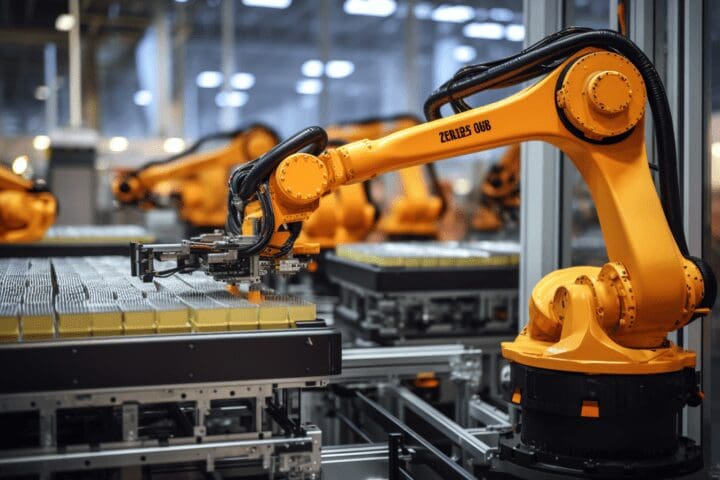
One of the most significant benefits of technology in productivity is the automation of repetitive, mundane tasks. Data entry, customer service requests, payroll processing, and inventory management can now be handled digitally with minimal human input. Processes that once took hours or days of manual work can now be completed with just a few clicks.
This automation provides several advantages:
- Employees can devote time to more meaningful, strategic work rather than bogged down with routine administrative duties. This allows for more impactful contributions.
- Automated processes are typically more efficient and accurate. They eliminate human error that could affect output.
- Automation enables scalability. As business grows, technology systems can handle increased workloads without declining quality or speed.
The right automation tools can dramatically free up employees’ time, allowing them to focus on innovation and creativity. This is a major factor in improved workplace productivity.

Enhanced Collaboration
In addition to automating tasks, technology has also revolutionized collaboration. Tools like video conferencing, instant messaging, and cloud-based document sharing have broken down communication barriers. Teams can now work together seamlessly regardless of physical location.
Here are some specific ways collaboration tools have enhanced productivity:
- Video conferences like Zoom or Microsoft Teams allow for seamless discussions regardless of geographic distance. Teams can have regular meetings to brainstorm ideas, make decisions, and align – no more playing “scheduling tetris.”
- Messaging apps like Slack or Microsoft Teams enable instant communication between colleagues. Quick questions can be answered without lengthy email chains or playing “phone tag.”
- Cloud-based documents in Google Drive, Office 365, or Dropbox can be accessed by multiple people. This allows for real-time collaboration on projects rather than drafting in silos.
- Project management software like Asana or Trello provides transparency into team workflows. Managers can monitor progress, and bottlenecks can be identified early.
- Virtual whiteboards like Miro or Mural facilitate interactive brainstorming and design sessions. Remote teams can collaborate creatively.
Video conferences and cloud docs allow teams to work faster and smarter. Meetings, files, and conversations are no longer limited by location or device. This seamless connectivity enhances productivity.

Drawbacks of Technology for Productivity
While technology has certainly revolutionized productivity in many positive ways, it also comes with some potential downsides. Overreliance on technology can inadvertently hamper productivity if not managed properly.
Distraction
One of the biggest pitfalls of workplace technology is distraction. The constant connectivity and information overload can easily derail focus and concentration. Employees today face a barrage of digital distractions:
- Emails and instant messages with constant notifications
- Social media and personal messaging apps
- The internet and unlimited content are a click away
- Push notifications from software tools and apps
Staying on task with the myriad distractions technology introduces can require immense willpower. Studies show these digital disruptions significantly reduce productivity and attention spans. Strategies to mitigate distraction are crucial.
Over-reliance
Another risk of increased dependence on technology is that workers lose their ability to think critically and solve problems. With so many automated tools and digital systems, some skills like analysis, troubleshooting, and abstract thinking can begin deteriorating.
Additional downsides of over-reliance on technology:
- Loss of adaptability when technology fails or needs troubleshooting
- Lack of control over automated processes
- Overconfidence in technology’s accuracy and precision
While the right technology can augment human work, it should not fully replace manual skills and critical thinking. Keeping these competencies sharp is key to productivity.

Technical Difficulties
Finally, despite advancement, technology can be imperfect and unreliable. Software glitches, network outages, and other technical difficulties can grind productivity to a halt. Workers end up unable to complete tasks or access the tools they need.
Troubleshooting technology problems also requires a significant time investment. This can become a major hindrance to being productive. Having contingency plans and workarounds can help minimize downtime when technical issues arise.
The key is finding a balance—utilizing technology for productivity gains without being wholly dependent. With the right approach, the benefits can be harnessed while the downsides are minimized.

Conclusion
As technology evolves and advances, its impact on workplace productivity will remain a complex issue with benefits and drawbacks to consider. However, organizations can craft informed strategies to enhance productivity by understanding these pros and cons.
The key takeaways from our analysis are:
- Leverage automation judiciously. Replace repetitive and mundane tasks with technology, but keep employee skills sharp. Find the right balance for your workforce.
- Implement collaboration tools strategically. Technology can connect teams, but don’t let it replace in-person interaction and relationship building.
- Set boundaries. Technology can improve efficiency, but guard against distractions and burnout by setting usage guidelines.
- Have contingency plans. When technology fails, productivity sinks. Prepare alternative procedures and workarounds.
- Evaluate regularly. Assess what’s working and what’s not. Adapt your strategies to your evolving needs.
With careful examination of pros and cons – and openness to keep adjusting the balance – technology can be harnessed to drive productivity now and in the future. The most successful organizations will fully embrace technology’s conveniences while cultivating an empowered, focused workforce and workplace culture. Though challenges remain, the mindful integration of technology alongside human skills and abilities can lead to enormous gains in innovation, efficiency, and output.
