Hey there! Have you heard about the latest trend taking the art world by storm? It’s none other than AI-generated artwork! In this article, we’ll delve into the fascinating world of AI-created paintings and explore their impact on the art industry.
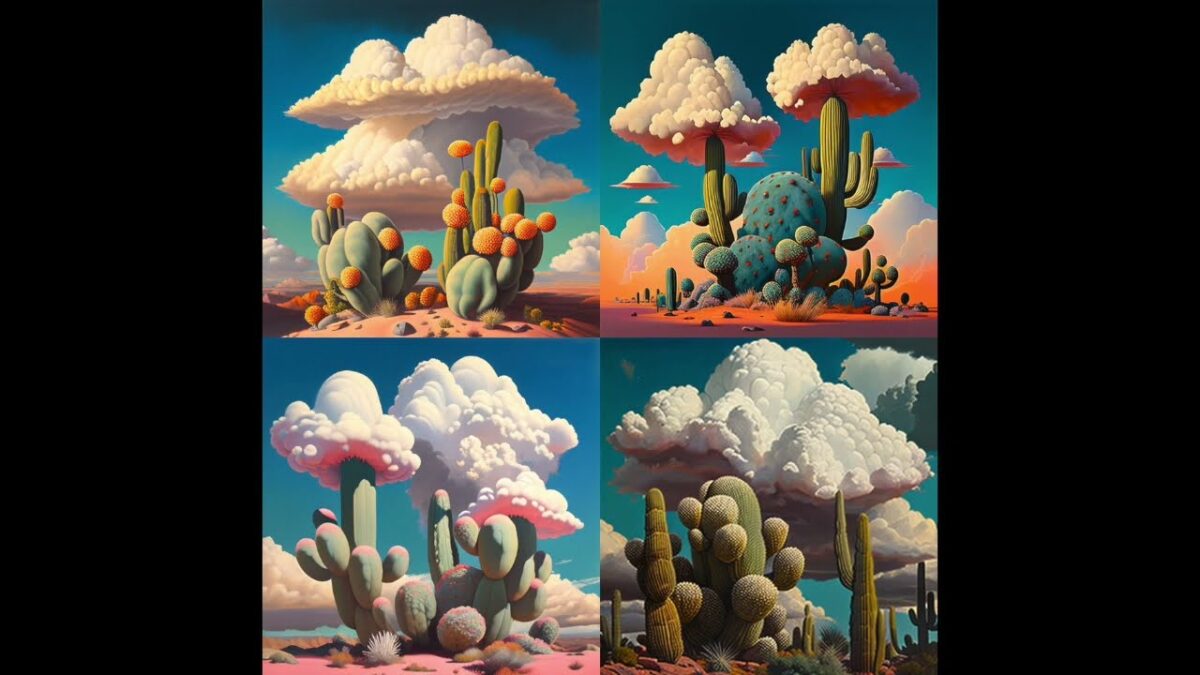
AI Painted This #1 – Midjourney 5 is a video showcasing AI’s incredible artwork. The AI-generated artwork is gaining traction. However, some concerns surround the use and control of this advanced technology. Some worry about potential dangers if a single company or individual gains complete control over AI, as questionable entities could misuse or steal it. The fear lies in the fact that powerful AI could be used for harmful purposes rather than developing an independent will of its own. So, let’s dive deeper into this intriguing topic and explore AI’s potential risks and benefits in the art world.
Understanding AI in Art
AI art has evolved significantly with advancements in computing power and the emergence of deep learning algorithms. Today, artists and researchers explore the possibilities of using AI to create unique artworks that push the boundaries of traditional artistic expression.
Artificial Intelligence (AI) has revolutionized various industries, and the art world is no exception. AI has entered the realm of art creation, interpretation, and analysis, sparking excitement and controversy. In this article, we will delve into the world of AI in art, exploring its impact, innovative projects, generative techniques, and potential future developments.
Defining AI Art
AI art refers to artworks created or generated with the help of artificial intelligence algorithms. These algorithms can analyze vast amounts of data, learn patterns, and produce original artistic content. AI art can take various forms, including paintings, sculptures, music compositions, and interactive installations.
History and Evolution of AI Art
The roots of AI art can be traced back to the early days of computer technology. In the 1960s, artists like Harold Cohen and Kenneth Knowlton began experimenting with computer-generated art. However, the limitations of technology at that time restricted the true potential of AI in art.
The Impact of AI on Traditional Art
AI’s entry into the art world has brought about significant changes in artistic techniques and has influenced artists’ creative processes.
Changes in Artistic Techniques
AI tools such as neural networks and generative algorithms have empowered artists to explore new art creation methods. These tools allow for experimentation with style, composition, and even the generation of entirely new art forms. Artists can now collaborate with AI algorithms to generate unconventional and thought-provoking artworks.
AI’s Influence on Artistic Creativity
AI can act as a source of inspiration for artists, providing them with new ideas and perspectives. AI algorithms can generate unique combinations of artistic elements by analyzing vast amounts of art history and contemporary artworks. This collaboration between human creativity and AI algorithms opens up new possibilities for creative expression.
Innovative AI Art Projects
The integration of AI in art has given rise to numerous groundbreaking projects and installations, showcasing the potential of AI-generated artworks.
Key AI Art Projects and Installations
Several high-profile AI art projects have garnered attention in recent years. For example, the “Portrait of Edmond de Belamy” generated by a Generative Adversarial Network (GAN) was the first AI artwork sold at an auction. The DeepDream project, developed by Google, uses neural networks to produce dream-like images of surreal patterns and objects.
Success Stories
AI art has gained recognition and acclaim in the art world. Artists like Mario Klingemann, Helena Sarin, and Anna Ridler have been at the forefront of creating captivating AI-generated artworks. These artists experiment with AI algorithms and use them as tools to augment their artistic abilities, resulting in thought-provoking and visually stunning artworks.
How AI Generates Art
To understand how AI generates art, it is essential to explore the role of Generative Adversarial Networks (GANs) and machine learning algorithms.
The Role of Generative Adversarial Networks
GANs have emerged as a powerful tool for AI art generation. GANs consist of two neural networks: a generator and a discriminator. The generator network creates artificial data, while the discriminator network learns to distinguish between real and AI-generated data.
Through an iterative process, GANs become more adept at generating realistic and aesthetically pleasing art pieces. The generator network tries to create increasingly convincing art, while the discriminator network critiques and improves the generator’s output. This adversarial relationship drives the AI to push the boundaries of creativity and generate novel artwork.
Understanding Machine Learning in Art Creation
Machine learning algorithms play a vital role in AI-generated art creation. These algorithms can learn and identify patterns, artistic styles, and preferences by analyzing vast datasets of artistic content. AI can generate new artworks that mimic established artistic styles or create entirely unique and innovative pieces through this learning process.
The Role of AI in Art Interpretation
AI contributes to art creation and plays a crucial role in the interpretation and analysis of artistic works.
AI in Art Analysis and Criticism
Artificial intelligence algorithms can analyze artworks and provide insights into their composition, style, and historical context. AI tools can identify patterns, themes, and artistic techniques used in artwork, aiding art historians, curators, and critics in their analysis and interpretation.
The Use of AI in Art Restoration and Preservation
AI algorithms can be utilized in the restoration and preservation of art collections. By analyzing high-resolution images of damaged artworks, AI can generate virtual visualizations of the intended appearance, helping conservators make informed decisions about restoration techniques. AI can also aid in identifying and preventing forgeries by examining minute details in artworks that are invisible to the human eye.
Commercialization of AI Art
Integrating AI in art has also brought about commercial opportunities and challenges.
AI Art in the Market
AI-generated art has made its way into the commercial art market. Collectors, galleries, and art enthusiasts have shown interest in owning AI-generated artworks due to their uniqueness and the technological innovation behind them. Some AI artists have even gained recognition and secured gallery exhibitions and sales of their artworks.
Case Study: The First AI Artwork Auctioned
The “Portrait of Edmond de Belamy,” created using a GAN, made history as the first AI artwork to be auctioned. The artwork fetched a significant price, sparking discussions about the value of AI-generated art and its place in the traditional art market.
Concerns and Challenges in AI Art
As with any emerging technology, AI art has raised concerns and challenges that must be addressed.
Debate on Creativity and Originality
The use of AI in art raises questions about the role of human creativity and the originality of AI-generated artworks. Some argue that AI is merely a tool that extends human creativity, while others question the authenticity and artistic merit of artworks created by algorithms alone.
Issues Related to Copyright and Ownership
AI-generated art poses challenges in terms of copyright and ownership rights. Who owns the rights to an AI-generated artwork: the artist, the creator of the AI algorithm, or the AI algorithm itself? AI art’s legal framework must evolve to address these complex ownership issues.
Criticism and Controversy Over AI Art
The intersection of AI and art has sparked criticism and controversy, particularly in ethical considerations and concerns about AI dominance.
Ethical Questions
AI art raises ethical questions regarding the role and responsibility of artists, AI developers, and society. Questions about agency, authorship, and the potential for biased or harmful AI creations need careful evaluation.
The Fear of AI Dominance in Art and Beyond
Some fear that AI’s involvement in the artistic process could devalue human creativity and craftsmanship. Concerns also arise about the broader impact of AI technology in society beyond the realm of art.
The Future of AI in Art
Looking ahead, the future of AI in art seems promising, with various trends and potential impacts on artists and the art market.
Predicted Trends and Developments
Experts predict that AI will continue to evolve, leading to more sophisticated and intelligent art generation algorithms. AI might also facilitate new forms of interactive and immersive art experiences, blurring the boundaries between the artist, the artwork, and the audience.
Potential Impacts on Artists and the Art Market
As AI technology develops, artists might increasingly embrace AI as a collaborative tool or a source of inspiration. AI-generated artworks could reshape the traditional art market, challenging established notions of value and ownership.
Conclusion
The intersection of AI and art has opened new horizons for artistic creation, interpretation, and analysis. AI-generated art projects and installations have captivated audiences worldwide, showcasing the potential of AI as a tool for artistic expression. However, concerns surrounding creativity, copyright, and ethical implications must be addressed to ensure AI’s responsible and inclusive integration in the art world. As AI advances, its impact on artists, the art market, and society will undoubtedly shape the future of art in fascinating and unexpected ways. The journey of AI in art has just begun, and the possibilities are endless.
