Have you ever wondered about the incredible artistic capabilities of Generative AI? Get ready to be amazed because AI Explained is back with another mind-blowing video in their “AI Painted This” series. In this sixth installment, you’ll dive into the fascinating world of Generative AI and witness the extraordinary artworks it creates. These AI-generated paintings will leave you in awe, from stunning landscapes to abstract masterpieces.
But before we delve into the art itself, let’s take a moment to reflect on the power of technology in our lives. We’re all already living in a cyborg-like reality where our phones, computers, and applications are extensions of ourselves. They make us superhuman in ways that even the president of the United States couldn’t have imagined just a few decades ago. With a simple internet connection, we can access boundless knowledge and communicate with millions of people worldwide. It’s like having magical powers at our fingertips. So, my friend, prepare to be amazed by the extraordinary potential of Generative AI as we explore the mesmerizing creations in “AI Painted This #6: Exploring the Artistic Capabilities of Generative AI.”
Understanding Generative AI
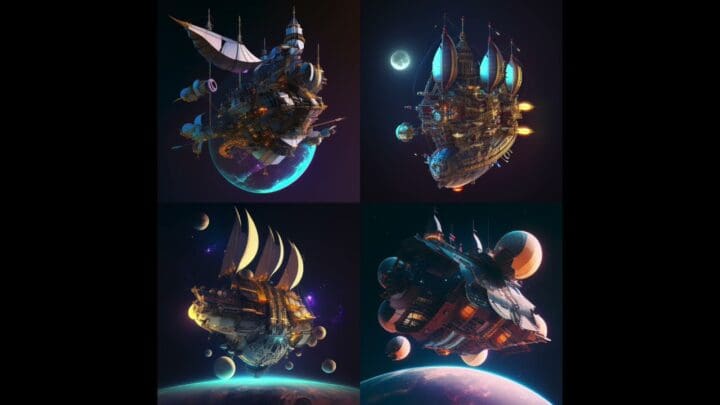
Explaining the concept of Generative AI
Generative AI refers to a branch of artificial intelligence that focuses on creating novel and creative outputs. Unlike traditional AI techniques that are programmed to follow specific rules, generative AI systems can learn from existing data and generate new content. This technology uses complex algorithms and deep learning models to produce outputs such as images, music, and text that mimic human creativity. Generative AI goes beyond simple automation and can produce unique and original creations.
How Generative AI differs from other AI techniques
Generative AI differs from other AI techniques in its ability to create new content instead of performing predefined tasks. While traditional AI techniques excel at solving problems based on existing patterns and rules, generative AI focuses on generating new and innovative outputs. For example, while traditional AI may be trained to recognize certain objects in images, generative AI can create new images that resemble real objects. This distinction sets generative AI apart by allowing it to explore creativity and produce outputs beyond human imagination.
Key components of Generative AI systems
Generative AI systems rely on several key components to create their outputs. The first component is a large dataset that serves as the training data for the AI model. Depending on the desired output, this dataset can consist of images, text, or music. The second component is an algorithm that processes the training data and generates new content based on the learned patterns and information. The algorithm is typically a deep learning model, such as a generative adversarial network (GAN) or a variational autoencoder (VAE). Finally, the output of the generative AI system is evaluated and refined based on feedback from users or experts in the field. This iterative process helps improve the quality and creativity of the AI-generated content.
Historical Background and Evolution of AI in Art
The early days of AI and Art
The intersection of AI and art can be traced back to the early days of computer programming. In the 1960s, artists and programmers began experimenting with computer-generated art, utilizing algorithms and mathematical equations to create visual compositions. These early works laid the foundation for integrating AI into the art world, marking the beginning of a new era in artistic expression.
Progression and Major Milestones of AI in Art
Over the years, AI in art has progressed significantly, with major milestones shaping its evolution. One notable milestone was the development of expert systems in the 1980s, which allowed computers to mimic human expertise in specific domains, including art. This led to the creation of AI systems that could analyze and critique artworks based on predefined rules and parameters.
Another significant development was the rise of generative AI techniques in the late 20th century, which enabled computers to create new and original artworks. These systems incorporated machine learning algorithms and neural networks, allowing them to learn from existing art and generate new pieces with impressive levels of creativity.
Contemporary utilization of AI in artistic pursuits
In contemporary art, AI has found various applications, pushing the boundaries of traditional artistic practices. Artists and technologists use generative AI to create paintings, sculptures, music, and interactive installations. AI-driven tools and platforms allow artists to explore new artistic possibilities and challenge conventional notions of creativity. Additionally, AI is utilized in art conservation and restoration, assisting experts in preserving and analyzing precious artworks.
Mechanisms Behind AI Painted Artworks
Understanding how AI paints
AI painting involves using generative AI models to create artworks that imitate human painting techniques. These models are trained on vast amounts of painting data, allowing them to learn various styles, brush strokes, and color palettes. They analyze the training data and generate new painting strokes based on their learned patterns. This process enables AI to create realistic and visually appealing artworks that resemble those created by human painters.
The role of algorithms and data in AI painting
Algorithms play a crucial role in AI painting by guiding the generative AI models in the creation process. These algorithms use advanced techniques such as deep learning and neural networks to analyze the training data and generate new strokes or brush techniques. The quality of the training data is essential, as it determines the variety and style of the AI-generated artworks. The more diverse and representative the dataset, the more the AI model can learn and produce compelling paintings.
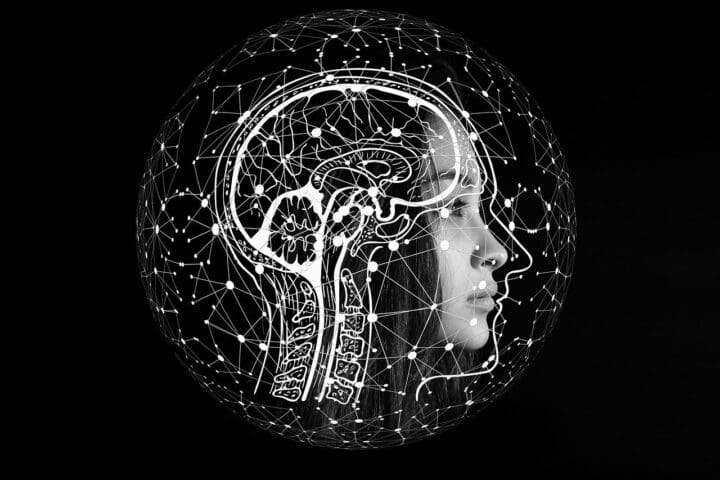
The interplay of creativity and technology
AI-painted artworks demonstrate the interplay between creativity and technology. While the creativity originates from human artists who curate and train the AI models, technology facilitates their expression. AI models provide artists with a unique set of tools and techniques that expand the possibilities of artistic creation. By leveraging AI, artists can explore new styles, experiment with novel compositions, and challenge conventional artistic boundaries. The collaboration between artists and AI allows for the creating of artworks that blur the lines between human imagination and machine-generated creativity.
Exploring the AI Painted This #6 Video
Synopsis of the AI Painted This #6 video
The AI Painted This #6 video showcases artworks created using generative AI techniques. The video features a series of visually stunning paintings, each unique in style and composition. These artworks result from training AI models in various painting styles and techniques. The video provides viewers with a glimpse of the incredible creative potential of generative AI in producing captivating and imaginative art.
Techniques and models used in the creation
Creating the AI Painted This #6 artwork uses sophisticated generative AI models. These models, such as GANs or VAEs, are trained on extensive datasets that include paintings from various artists and artistic movements. The models learn the intricacies of brush strokes, color palettes, and compositional techniques. By leveraging this learned knowledge, the AI models generate new artworks that reflect the style and aesthetics of the training data. The techniques employed in creating AI Painted This #6 demonstrates the ability of generative AI to blend different artistic influences and produce visually stunning paintings.
Unpacking the artistic value of the images
The artworks showcased in AI Painted This #6 possess significant artistic value. While AI generates them, they embody the essence of human creativity. The paintings exhibit a wide range of styles, from abstract and expressionistic to photorealistic and surreal. The imagery and composition evoke deep emotions and provoke thought, similar to artworks created by human artists. The AI-generated paintings push the boundaries of artistic expression, offering viewers a fresh perspective on the possibilities of AI in the art world. The artistic value of these images lies in their ability to captivate, inspire, and spark meaningful conversations about the intersection of technology and creativity.
Impact of Generative AI on Creativity
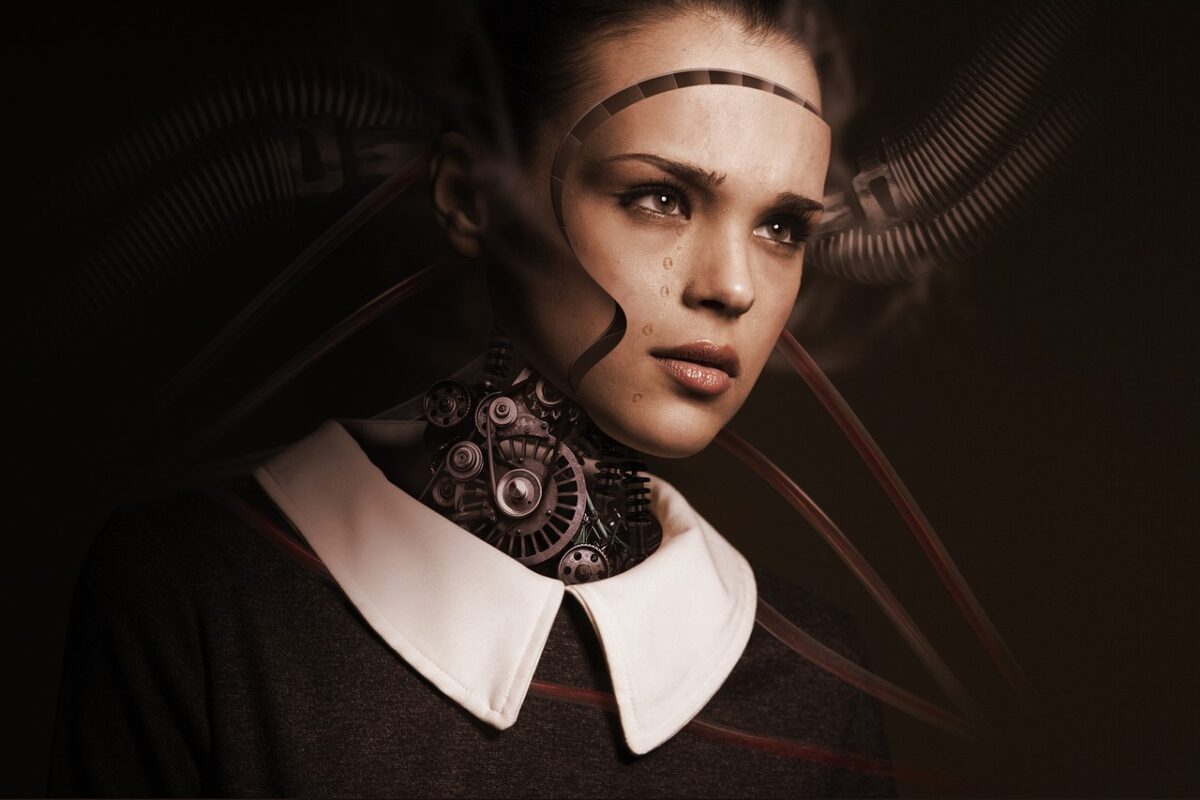
How Generative AI enhances creativity
Generative AI profoundly impacts the creative process by expanding the horizons of what is possible. It provides artists with a powerful toolset that enables them to explore new styles, experiment with unconventional techniques, and push the boundaries of traditional artistic practices. With generative AI, artists can find inspiration in vast datasets and incorporate diverse influences into their work. AI models can generate unexpected and novel ideas, sparking the imagination and leading to unique artistic creations. Through collaboration with AI, artists can enhance their creativity by leveraging the capabilities of machine learning and computational power.
Challenges faced in marrying AI and creativity
The marriage of AI and creativity poses several challenges that must be addressed. One of the primary concerns is the loss of human touch and the perception that AI-generated art lacks authenticity. Critics argue that AI only mimics existing styles and cannot reproduce the depth and emotion in artworks created by human hands. Additionally, there is a risk of overreliance on AI, with artists becoming dependent on AI systems for creative ideas, which may limit genuine artistic exploration. Balancing the symbiotic relationship between AI and human creativity requires careful consideration and a clear understanding of the role of AI as a tool rather than a replacement for human expression.
Instances of exemplary AI-enhanced creativity
Numerous instances showcase the exceptional potential of AI-enhanced creativity. Artists have used generative AI to create stunning sculptures, mesmerizing music compositions, and thought-provoking installations. Collaborations between artists and AI models have resulted in innovative and boundary-pushing artworks that challenge traditional notions of creativity. For example, the work of artist Mario Klingemann combines generative AI with traditional painting techniques to create mesmerizing portraits that blur the line between human and machine creativity. These instances highlight the symbiotic relationship between AI and artists, demonstrating creativity enhancement by integrating generative AI technologies.
Role of Generative AI in the Art Industry
Generative AI and the transformation of the art world
Generative AI is transforming art by revolutionizing how artists create, exhibit, and experience art. It offers new avenues for artistic expression and challenges conventional methods of creation. Artists can leverage generative AI to explore new styles, experiment with unconventional materials, and collaborate with AI models. Additionally, generative AI platforms and tools have democratized the creation and sharing of art, enabling artists from diverse backgrounds to participate in the global art scene. The transformation brought about by generative AI in the art industry fosters innovation, expands artistic possibilities, and encourages interdisciplinary collaborations.
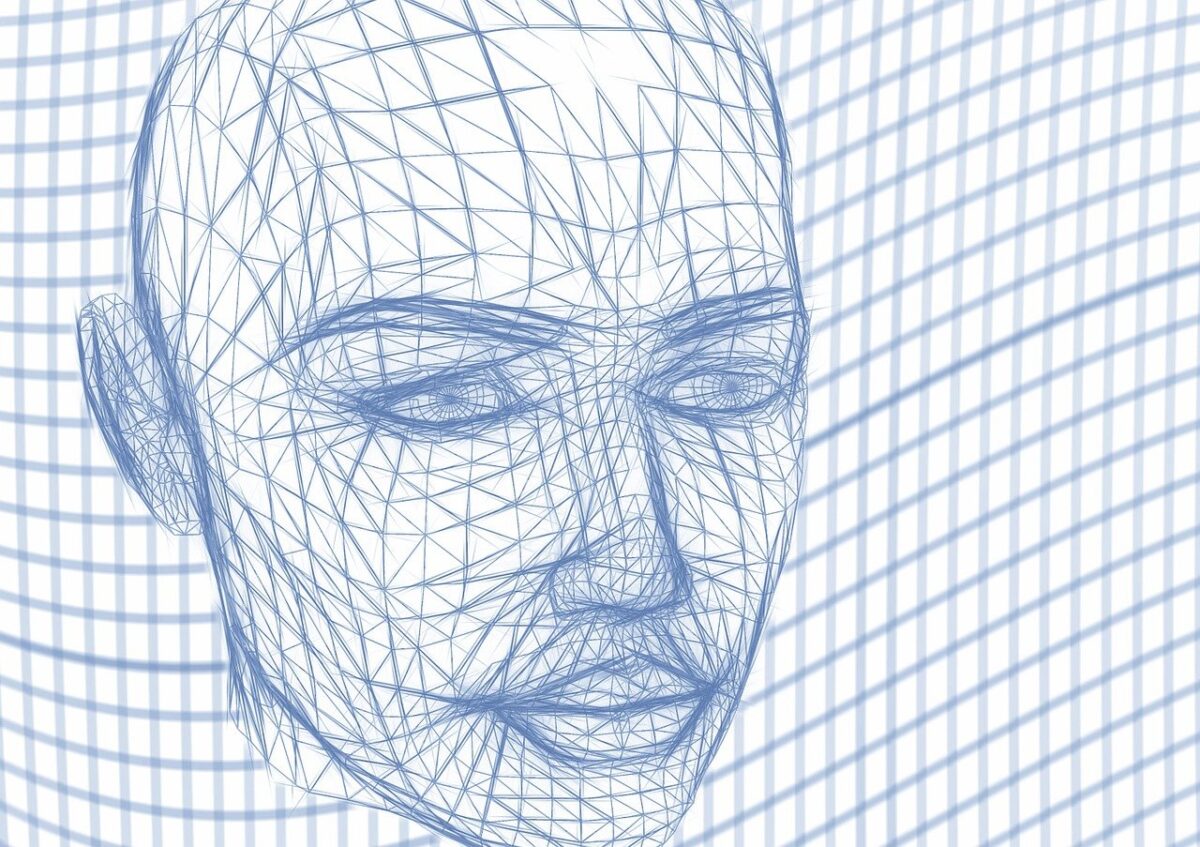
Potential future applications of Generative AI in art
The future of generative AI in art holds immense potential. Artists and technologists continually push the boundaries of what is possible with AI-generated art. One potential application is the integration of generative AI into virtual and augmented reality experiences, creating immersive and interactive art installations. Additionally, AI models could assist artists in creating art by generating initial ideas or providing feedback on works in progress. Generative AI in art conservation and restoration is another promising avenue, allowing experts to analyze and preserve valuable artworks more accurately and efficiently.
Case studies of AI impact on the art scene
Several case studies demonstrate the impact of AI on the art scene. The DeepDream project, developed by Google, utilizes generative AI to transform ordinary images into psychedelic and surreal artworks. This project has sparked immense interest and has been embraced by artists as a tool for creative inspiration. Another notable example is the Portrait AI project, which allows users to transform their photographs into classical painting-style portraits through AI algorithms. These case studies highlight how AI has become integral to the art world, inspiring artists and enabling new artistic possibilities.
Examining the Ethical Considerations
Questions of originality and plagiarism in AI art
The rise of AI-generated art has led to debates surrounding originality and plagiarism. Some argue that AI-generated artworks lack true originality since they are created by machines trained in existing styles and techniques. Critics claim that AI produces imitations rather than genuine artistic creations. Additionally, questions arise regarding ownership and authorship, as AI models are trained on copyrighted works. The ethical considerations surrounding originality and plagiarism in AI art continue to be debated, highlighting the need for clear guidelines and regulations in the evolving landscape of AI-generated art.
Legal implications and copyright issues
AI-generated art raises complex legal implications and copyright issues. Determining the ownership and copyright of AI-generated artworks becomes challenging as AI models are trained on copyrighted material. Artists using AI models may unknowingly infringe on copyright laws if the generated artworks resemble existing copyrighted works. Additionally, licensing and distribution of AI-generated art can be problematic, as traditional legal frameworks may not adequately address the unique nature of AI art. The legal landscape surrounding AI-generated art requires further exploration and provisions to protect intellectual property and fair use.
Addressing bias in AI-generated art
Bias in AI-generated art is a significant concern that needs to be addressed. AI models learn from large datasets, which may contain biases inherent in the data. These biases can manifest in AI-generated artworks, perpetuating societal prejudices or reinforcing existing stereotypes. It is essential to curate the training datasets to ensure diversity and inclusivity carefully. Additionally, artists and developers must remain vigilant in detecting and correcting bias in AI-generated art and actively work towards creating fair and equitable representations. Addressing bias requires an ongoing commitment to diversity, transparency, and ethical practices in developing and implementing generative AI systems.
Public Reception and Critiques of AI Art
How the public is receiving AI art
The public reception of AI art is a mix of fascination, awe, and skepticism. On one hand, AI-generated artworks often captivate viewers with their unique styles, intricate details, and innovative techniques. Many appreciate the novelty and embrace the technological advancements that enable such creations. On the other hand, some question the authenticity and emotional depth of AI art. Some argue that human-made art holds a certain essence that AI models cannot replicate. However, as AI art continues to evolve and push boundaries, public reception gradually shifts towards accepting and recognizing generative AI as a legitimate form of artistic expression.
Critiques and backlash against AI use in art
Despite the growing acceptance of AI art, there are critiques and backlash against its use in the art world. One common critique is the fear of replacing human artists with machines, which could diminish the value of human creativity and craftsmanship. Critics argue that AI-generated art lacks the emotional depth and personal touch that human artists bring to their creations. There are also concerns regarding the commercialization of AI art, with the worry that it may prioritize novelty and trends over genuine artistic expression. Balancing the integration of AI and human artistry requires a careful reassessment of the role and value of both in the creative process.
Feedback from artists and art institutions
Artists and art institutions have provided valuable feedback on using AI in art. Many artists have embraced AI as a tool for inspiration and experimentation, integrating generative AI into their creative process. They appreciate the novel ideas and possibilities that AI brings to their practice while maintaining a clear distinction between the machine’s and the artist’s contributions. Art institutions have also begun to acknowledge and exhibit AI-generated artworks, recognizing the significance of this emerging field. However, there is an ongoing discourse on how AI-generated art should be presented and contextualized within the traditional art world, highlighting the need for continued dialogue and collaboration between artists, institutions, and technologists.
Potential Developments and Future Scope
Predicted advancements in Generative AI for art
The future of generative AI for art holds immense potential for advancements. AI models will continue to become more sophisticated, enabling artists to create even more realistic and imaginative artworks. We can expect improvements in generated content quality, with AI models acquiring an even deeper understanding of artistic styles, techniques, and aesthetics. The integration of AI with virtual reality and augmented reality technologies will unlock new possibilities for immersive and interactive art experiences. Additionally, advancements in AI will facilitate greater collaboration between AI models and artists, leading to hybrid creative processes that blend human intuition with machine-generated ideas.
Future challenges for AI in the art domain
While the future of AI in the art domain is promising, several challenges must be addressed. The ethical implications surrounding AI-generated art, such as originality, copyright, and bias, will require careful consideration and regulation. AI models must be trained on diverse and inclusive datasets to ensure the fair representation of all individuals and communities. The impact of AI on the traditional art market and the role of human artists in an AI-dominated landscape also pose challenges that demand attention. Striking a balance between AI and human creativity, addressing these challenges, and ensuring ethical practices will be vital for successfully integrating AI into art.
Opportunities for artists and technologists in the AI art space
The emergence of AI in the art space presents exciting opportunities for artists and technologists. Artists can explore new creative avenues and experiment with AI tools and platforms to expand their artistic language. AI allows artists to create previously unimaginable works, fostering a cross-pollination of disciplines and perspectives. Technologists, on the other hand, can collaborate with artists, develop innovative AI models, and contribute to the growth of the AI art ecosystem. The synergy between artists and technologists in the AI art space unlocks a world of possibilities where the boundaries of creativity are constantly pushed, and new artistic expressions are born.
Conclusion
Reflecting on the journey and impact of AI in art, it is evident that generative AI has revolutionized how we create, experience, and perceive art. The concept of generative AI, with its ability to generate novel and creative outputs, has opened new doors for artistic expression. From the early days of AI in art to the contemporary utilization of AI in the art world, the integration of AI has continuously pushed the boundaries of creativity.
We can appreciate the mechanisms behind AI-painted artworks by understanding how AI paints, the role of algorithms and data, and the interplay of creativity and technology. Exploring the AI Painted This #6 video further exemplifies the immense artistic value that generative AI can bring to the art world.
Generative AI has significantly impacted creativity, enhancing artists’ abilities to explore new styles, experiment with unconventional techniques, and challenge traditional artistic practices. While challenges such as originality, bias, and legal implications persist, instances of exemplary AI-enhanced creativity highlight the potential for transformative collaborations between artists and AI models.
The role of generative AI in the art industry is transformative, instigating the transformation of traditional artistic practices and opening up new possibilities for artistic expression. Furthermore, potential future applications of generative AI hold immense promise, ranging from immersive art experiences to conservation and restoration efforts.
As AI art continues to be received by the public and critiqued by artists and art institutions, the interplay between AI and human creativity remains a topic of ongoing discussion. To establish a fair and equitable landscape for AI-generated art, ethical considerations such as originality, copyright, and bias must be addressed.
Looking ahead, predicted advancements in generative AI in art offer a glimpse into a future of even greater possibilities. While challenges such as ethical implications and the integration of AI in the traditional art world remain, opportunities for artists and technologists in the AI art space continue to expand.
In conclusion, the impact of generative AI on art is undeniable. By embracing the capabilities of AI, artists and technologists have embarked on a journey that pushes the boundaries of creativity, challenges traditional notions of art, and expands artistic possibilities. The realm of AI-generated art continues to evolve, leaving us with a prospective outlook filled with excitement, innovation, and unexplored artistic frontiers.
