
Technology integration in education has led to significant changes in teaching and learning. With the advent of artificial intelligence (AI), the potential for transformation has increased dramatically. AI is revolutionizing how educators approach teaching and learning, and its impact will continue to grow.
The integration of computers and education artificial intelligence has the potential to revolutionize the traditional classroom and create a more personalized and engaging learning environment. By leveraging digital learning tools and machine learning algorithms, educators can provide students with tailored learning experiences that cater to their needs and abilities.
Moreover, the importance of computer science education in preparing students for the digital world cannot be overstated. With more and more industries embracing technology, students must develop computer literacy and a strong foundation in STEM education.
Key Takeaways:
- Artificial intelligence is transforming teaching and learning in education.
- Computers and educational artificial intelligence can create personalized and engaging learning experiences for students.
- Computer science education is critical in preparing students for the digital world.
Skip to the FAQ here
The Role of Computers in Education
The advent of technology has revolutionized the way students learn and teachers teach. With the rise of computers and educational artificial intelligence, traditional classroom formats have been replaced by digital learning platforms and interactive tools that enhance student engagement and computer literacy. Today, technology in education is an integral part of the learning process, and educators are increasingly embracing technology to improve educational outcomes.
Digital learning has numerous advantages over traditional classroom learning. It enables students to learn independently and provides opportunities for personalized learning paths. Technology in education also enhances student engagement through interactive and gamified learning tools. Computer literacy has become an essential requirement in the digital age, and through educational technology, students gain crucial skills in using computers and software.
Using computers in education has also opened up opportunities for online learning, enabling students to access educational content from any location. Digital learning platforms have made education more accessible and affordable, particularly for students in remote areas who may not have access to traditional education systems.
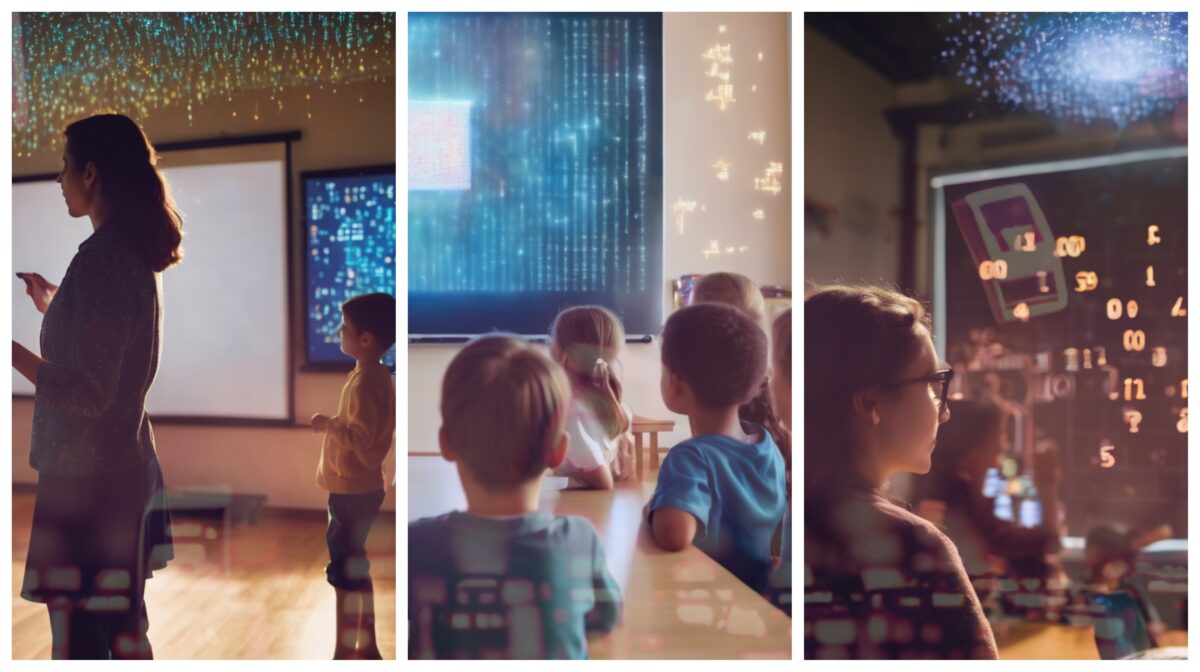
The Importance of Computer Literacy
Computer literacy is a critical skill in the digital age, and students must be proficient in using computers and software. Educational technology has made it easier for students to develop computer literacy skills through interactive and engaging tools that make learning fun and relevant.
In addition to developing computer literacy skills, technology in education also enables students to develop skills in critical thinking, problem-solving, and creativity. These skills are essential for success in the modern workforce, which is increasingly reliant on technology and creativity.
Challenges in Integrating Technology in Education
While technology in education has numerous advantages, there are also challenges in integrating technology into the curriculum. One of the primary challenges is ensuring that teachers have the necessary skills and training to use technology in the classroom effectively. There is also the issue of providing access to technology for all students, particularly those from lower-income backgrounds.
Another critical challenge is ensuring that technology is used ethically and responsibly. There are concerns about data privacy and security, and educational institutions must take steps to safeguard student data.
Despite these challenges, the benefits of technology in education far outweigh the drawbacks. With the integration of computers and education artificial intelligence, students can develop essential skills that will prepare them for success in the digital age.
Artificial Intelligence in Education
Artificial intelligence (AI) is revolutionizing how students learn and teachers teach.
With machine learning algorithms and natural language processing, AI can personalize learning experiences, adapt to students’ individual needs, and provide real-time feedback to students and teachers.
AI is being integrated into educational experiences in various ways, from intelligent tutoring systems and chatbots to virtual assistants and adaptive assessments.
Machine Learning in Education
Machine learning (ML) is a subset of AI that involves computers learning from data without being explicitly programmed.
Through ML algorithms, AI can analyze vast amounts of data to identify patterns and insights that may not be apparent to humans.
In education, ML is used to personalize learning paths, assess student performance, and provide recommendations for further study.
For example, ML algorithms can identify a student’s strengths and weaknesses in a particular subject and suggest individualized study plans to help the student improve.
Educational Technology Powered by AI
AI also powers educational technologies like learning management systems, digital textbooks, and educational apps.
These technologies are designed to enhance the learning experience by providing interactive, engaging, and personalized content.
For example, an educational app powered by AI can use natural language processing to answer students’ questions and provide feedback on their work.
AI-Assisted Personalized Learning
One of the significant benefits of AI in education is its ability to provide personalized learning experiences.
By analyzing data on students’ learning styles, preferences, and abilities, AI can tailor instruction to meet their individual needs.
This can lead to increased engagement, motivation, and academic achievement.
The use of AI in personalized learning can also help bridge the achievement gap by providing targeted support to students who may be struggling.

Adaptive Assessments
AI also develops adaptive assessments that adjust to students’ abilities.
These assessments can provide more accurate student performance measurements than traditional standardized tests.
Adaptive assessments can also reduce student anxiety and encourage a growth mindset by providing opportunities for students to improve their performance over time.
In conclusion, AI has the potential to transform education by providing personalized learning experiences, adaptive assessments, and innovative educational technologies.
However, it is essential to consider AI’s challenges and ethical implications in education, such as data security and privacy concerns.
Advantages of AI in Education
Artificial intelligence (AI) can potentially revolutionize the education system, and its advantages cannot be ignored. One of the main advantages of AI in education is the ability to personalize learning paths. With the help of AI algorithms, teachers can assess students’ strengths and weaknesses and adapt the curriculum accordingly. This individualized approach can improve learning outcomes and ensure no student is left behind.
Another advantage of AI in education is the improved engagement of students. AI-powered educational tools can make learning interactive and fun through gamification and multimedia content. This approach can make students more interested and invested in the learning process, resulting in better retention of information.
Real-time feedback is another benefit of AI in education. With AI-powered tools, students can receive immediate feedback on their progress, allowing them to track their learning and make improvements as they go. Teachers can also benefit from AI-powered feedback, as it can help them identify areas where students are struggling and adjust their teaching approach accordingly.

Using AI in education can also lead to increased efficiency and cost savings. Automated grading systems, for example, can save teachers a significant amount of time and effort, allowing them to focus on other aspects of teaching. In addition, AI-powered tools can reduce the need for physical textbooks and other learning materials, resulting in cost savings for schools and students.
Overall, the advantages of AI in education are numerous and varied, and the technology has the potential to transform the way we teach and learn. However, it is essential to recognize that AI is not a panacea, and challenges and considerations are associated with its implementation, which will be discussed in the following section.
Challenges and Considerations
While artificial intelligence has great educational potential, several challenges and considerations must be addressed.
One primary concern is privacy. As AI systems collect large amounts of personal data, there is a risk that this data can be misused or even hacked. Educational institutions must establish robust data privacy protocols to protect students’ information.
Another challenge is ensuring that AI is used ethically and responsibly. Machine learning algorithms can perpetuate biases and stereotypes, harming students from underrepresented groups. Developers must prioritize ethical considerations and design AI systems that are inclusive and sensitive to diversity.
Additionally, there is the issue of access and equity. While AI has the potential to enhance personalized learning and improve students’ academic performance, not all schools have the resources to implement such technology. As such, policymakers and educators must work to ensure that the benefits of AI are accessible to all students, regardless of their socioeconomic status.
Finally, there is the need for teachers to be trained in the use of AI systems. Many educators may not have the technical skills to integrate AI into their teaching practices effectively. As such, educators must receive training to maximize the benefits of AI in the classroom.
We can ensure that AI positively impacts education by addressing these challenges and considerations, providing students with the tools and resources they need to succeed in an increasingly digital world.

Computer Science Education and AI
As artificial intelligence (AI) becomes increasingly prevalent daily, students need to understand how AI works and how to code it. This is where computer science education comes in.
Computer science education has traditionally focused on teaching students programming languages and coding. Still, with AI becoming more integrated into various applications, computer science curriculums are evolving to include AI concepts.

By teaching students about AI, machine learning, and data analysis, educators prepare them for a future where these skills are increasingly important in the workforce. A report from Indeed found that AI-related job postings have increased by 119% since 2015.
STEM (Science, Technology, Engineering, and Mathematics) education has recently become a focus to prepare students for the digital economy. Students can better understand the technology and its potential applications by incorporating AI into STEM education.
In addition to preparing students for the workforce, teaching AI concepts can help them understand this technology’s impact and ethical considerations. By teaching them about AI’s potential uses and abuses, students can become better equipped to navigate the complex world of technology.
The Impact of AI on Teaching
Artificial intelligence (AI) is changing how teachers approach their classroom work. With AI-powered tools and platforms becoming more prevalent in education, teachers can provide more personalized support to their students.
One of the main benefits of AI in education is its ability to assist teachers in lesson planning. AI algorithms can analyze student performance data and identify areas where individual students need additional support. With this information, teachers can tailor lesson plans to meet the needs of their students better.
AI can also help with grading, freeing up time for teachers to focus on other aspects of their work. Automated grading systems can quickly and accurately grade assignments, reducing the burden on teachers.
Furthermore, AI can enable teachers to provide individualized student support during class. Some AI-powered tools can analyze student input and give real-time feedback, allowing teachers to identify and address areas where students need help.
Overall, AI transforms how teachers approach their work, allowing them to provide more personalized support to their students. As AI technology continues to improve, its impact on education will likely only grow.

Integrating AI into the Curriculum
The rapid advancement of artificial intelligence has created numerous opportunities for its integration into the curriculum across various subjects. AI-powered educational tools and platforms can help personalize learning experiences, increase student engagement, and provide real-time feedback for both teachers and students.
One example of AI-powered education is the use of chatbots in language learning. These chatbots can provide language learners instant feedback on their pronunciation and grammar, enabling them to improve their language skills faster.
| Subject | AI Integration Example |
|---|---|
| Mathematics | AI-powered math tutoring system that adapts to individual student needs, providing personalized instruction and feedback. |
| Science | AI-powered virtual labs that enable students to conduct experiments in simulated environments, enhancing their understanding of complex scientific concepts. |
| Social Studies | AI-powered research tools that assist students in analyzing and interpreting historical events and trends. |
Integrating AI into the curriculum also plays a crucial role in promoting STEM education. By teaching coding and AI concepts, students will be better prepared for the digital future and equipped with the necessary skills for the evolving workforce.

Integrating AI into the curriculum enhances the learning experience and prepares students for the digital future and the evolving workforce.
Online Learning and AI
With the growing popularity of online learning, there is an increasing need for personalized educational experiences that cater to the diverse learning needs of students. Artificial intelligence (AI) delivers personalized learning paths, supports online assessments, and fosters engagement in digital learning environments.
AI-powered chatbots and virtual assistants are used in online courses to provide on-demand support to students, answering their questions and giving feedback on assignments. Online learning platforms also leverage AI algorithms to analyze student data and provide personalized learning recommendations, which can help students identify their strengths and weaknesses.

One example of this is AI-powered adaptive learning platforms that use machine learning algorithms to analyze student data and identify patterns in their performance. These platforms then adjust the learning content and pace to match each student’s learning needs, helping them achieve their academic goals.
Moreover, AI technology is also being used to track student progress and provide real-time feedback, enabling students to identify areas where they need improvement. This can increase student engagement and motivation as they receive immediate feedback on their progress.
Despite the many advantages of AI in online learning, educators and administrators must also consider the ethical implications of using student data. Privacy concerns and data security must be carefully considered when implementing AI technologies in online learning environments.
In conclusion, AI has the potential to revolutionize online learning and improve the overall quality of educational experiences by providing personalized learning paths, real-time feedback, and increased student engagement. As online learning continues to grow, integrating AI technology is becoming increasingly important to ensure students receive the best educational experience.
Future Prospects: AI and Education
The potential for AI in education is vast, with the ability to revolutionize how students learn and teachers teach. As technology advances, AI’s role in education is becoming more significant, with its potential to bridge the gap between different learning styles and improve the overall learning experience. Here are some of the prospects of artificial intelligence in education:

- Personalized Learning: AI can analyze a student’s learning patterns and create customized learning paths, allowing each student to learn at their own pace and in a way that suits their needs.
- STEM Education: AI has the potential to revolutionize STEM education, allowing students to experience real-world applications of science, technology, engineering, and math concepts through interactive and immersive experiences.
- Bridging Learning Gaps: AI can help bridge the gap between students of different backgrounds, providing equal learning opportunities for all students.
- Preparing Students for the Future: As the workforce evolves, AI can help prepare students with the necessary skills to succeed in the digital age, such as critical thinking, problem-solving, and data analysis.
The potential for AI in education is limitless, but ensuring that AI is implemented ethically and responsibly is essential. As technological advances continue to push the boundaries of what is possible, it is necessary to consider the impact of AI on society, including privacy, data security, and ethics. Despite these challenges, the benefits of using AI in education cannot be ignored, as it can potentially transform the way we learn and teach, preparing students for a digital future.
Conclusion
The integration of computers and education artificial intelligence has the potential to transform the way students learn, and teachers teach. As discussed, AI in education can assist with personalized learning, improve student engagement, and provide real-time feedback. However, it is essential to consider the challenges and considerations associated with implementing AI in education, including privacy, data security, and ethical considerations.
Computer science education and AI concepts must be integrated into the curriculum to prepare students for the digital future and the evolving workforce. The impact of AI on teaching practices is already noticeable, with AI assisting teachers in various aspects of their roles. Online learning and AI are also intersecting, with AI-powered tools and platforms enhancing student engagement and personalized learning experiences.
The prospects of artificial intelligence in education are vast, with the potential to revolutionize the education system and bridge learning gaps. It is crucial to recognize the significance of computers and education artificial intelligence in shaping the future of learning and teaching. With careful consideration and implementation, AI can be a powerful tool in enhancing educational experiences and enabling a brighter future for students.
FAQ
Q: What are computers and education artificial intelligence?
A: Computers and education artificial intelligence refers to integrating computer science and AI technologies in educational settings to enhance learning and teaching experiences.
Q: How does technology play a role in education?
A: Technology has become an integral part of education, enabling digital learning, enhancing computer literacy, and providing access to educational resources and tools.
Q: What is the role of artificial intelligence in education?
A: Artificial intelligence in education involves using AI technologies to support personalized learning adaptive assessments and assist teachers in various aspects of their work.
Q: What are the advantages of using AI in education?
A: AI in education offers benefits such as personalized learning paths, improved student engagement, and real-time feedback to enhance the learning experience.
Q: What challenges are associated with implementing AI in education?
A: Some challenges include privacy concerns, data security, and ethical considerations surrounding the use of AI in educational settings.
Q: How does computer science education relate to AI?
A: Computer science education is closely connected to AI, providing the foundational knowledge and skills to understand and work with AI technologies.
Q: How does AI impact teaching practices?
A: AI can assist teachers in lesson planning, grading, and providing personalized student support, making teaching more efficient and effective.
Q: How can AI be integrated into the curriculum?
A: Strategies for integrating AI into the curriculum include using AI-powered educational tools and platforms and incorporating AI concepts into various subject areas.
Q: How is AI used in online learning?
A: AI is used in online courses and platforms to enhance student engagement, provide personalized learning experiences, and improve educational outcomes.
Q: What are the future prospects of AI in education?
A: The future prospects of AI in education include revolutionizing the education system, bridging learning gaps, and preparing students for the evolving workforce.
